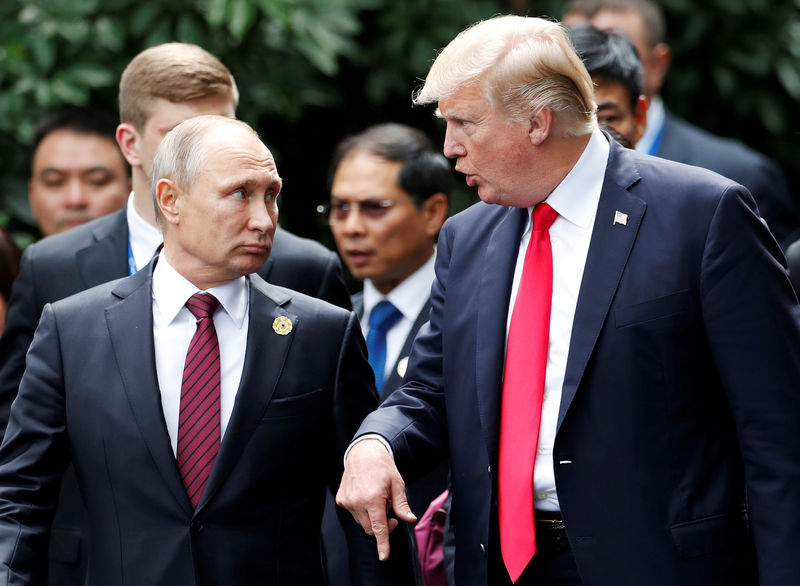
Trump announced a three-day ceasefire between Russia and Ukraine for May 9-11, including a 1,000-for-1,000 prisoner swap and a halt to kinetic activity. While the move is temporary and negotiations are still ongoing, it signals a potential de-escalation in a war that has been a key driver of risk premiums in energy and commodity markets. The announcement could modestly ease geopolitical stress, though the impact depends on whether talks produce a lasting settlement.
The market implication is less about headline geopolitics and more about sequencing risk: even a short ceasefire can compress risk premia in inputs tied to military logistics, cross-border freight, and emergency energy routing, but the move is likely to be tactical rather than durable. If this pause holds, the first beneficiaries are the “activity-beta” parts of the complex—diesel, freight, select industrial metals, and European cyclicals—because the market can briefly price a lower probability of near-term supply disruptions and sanctions escalation.
The more interesting second-order effect is that a ceasefire, even a fragile one, can reduce the urgency premium in defense procurement while increasing the probability of delayed rebuilding spend later. That means defense names may not sell off deeply, but their multiple expansion could stall if investors start discounting a slower replenishment cycle and a longer path to incremental orders. In parallel, any easing in war-risk pricing tends to flow first into European power and gas curves, then into chemicals, steel, and transport names with heavy regional exposure.
For AAPL and INTC, the article is only indirectly relevant: geopolitical de-escalation helps sentiment around global supply chains, but the real earnings lever is risk appetite and capital spending. Intel is the more levered name because its turnaround depends on confidence in domestic manufacturing investment and policy continuity; a less tense geopolitical backdrop can modestly improve the odds that customers and policymakers stay supportive. Apple is comparatively insulated, so any reaction there is likely to fade unless the news feeds a broader multiple re-rating in mega-cap growth.
The contrarian view is that the market may overreact to a short-duration pause and underprice the probability of rapid re-escalation. A 3-day ceasefire is too short to change physical commodity balances, but it can create tactical shorts in war beneficiaries and tactical longs in cyclicals; that setup reverses quickly if violations resume or negotiations stall. The highest-probability setup is a temporary compression in volatility rather than a durable trend change.
AI-powered research, real-time alerts, and portfolio analytics for institutional investors.
Request DemoOverall Sentiment
mildly positive
Sentiment Score
0.15
Ticker Sentiment
