
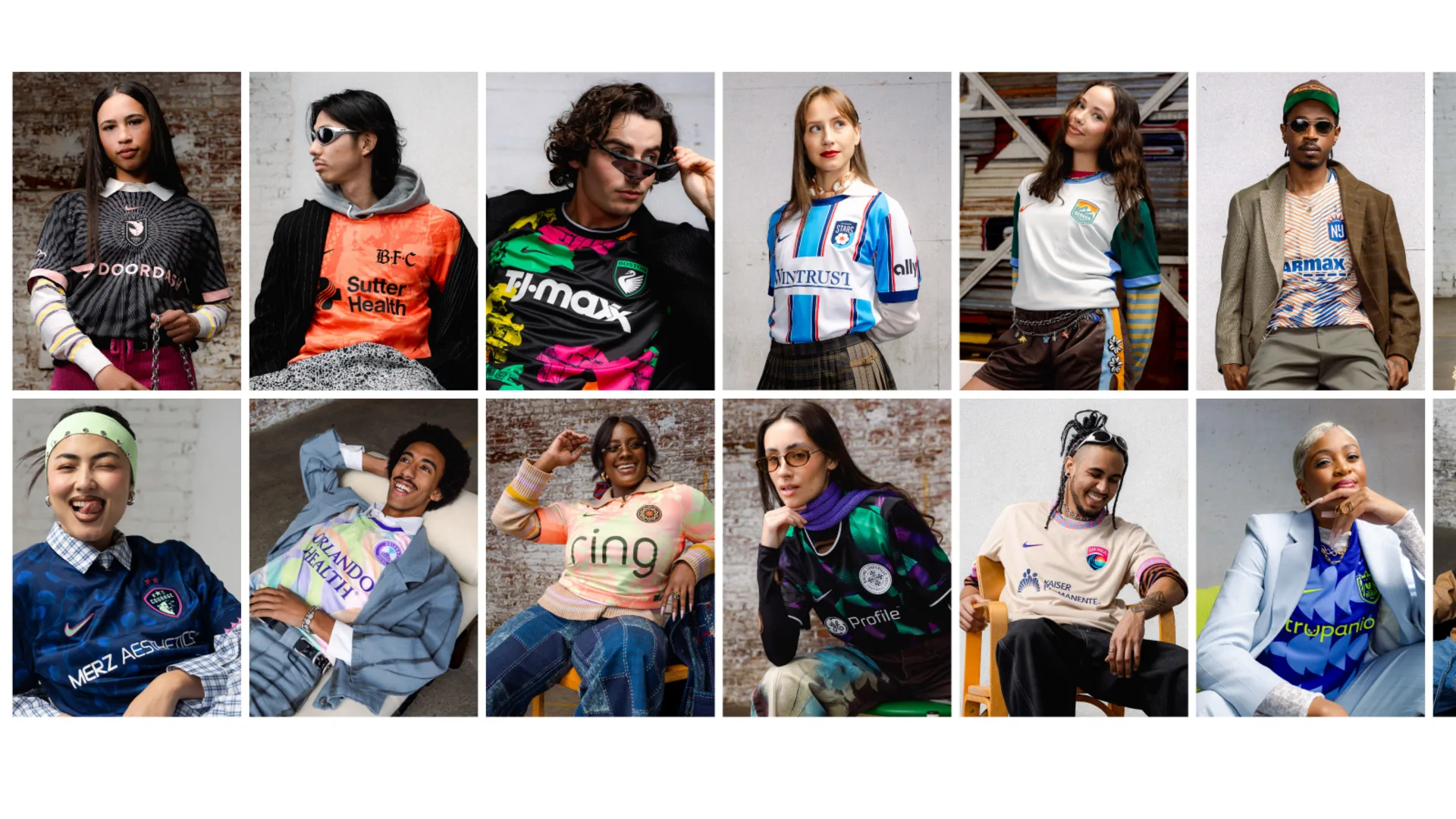
The NWSL and Nike launched the league's 2026 jersey collection, introducing third kits for select clubs, inaugural primary kits for expansion teams Denver Summit FC and Boston Legacy FC, and updated goalkeeper kits featuring Nike DRI-FIT ADV performance technology. Jerseys, customizable and available on NWSLShop.com beginning Feb. 26 with expanded replica sizing and Ally Financial featured as sleeve sponsor, seek to drive merchandising revenue and fan engagement ahead of the March 13 season opener. While the release enhances branding, sponsorship visibility and potential incremental retail sales for the league and partners, it is unlikely to meaningfully move public-company earnings or markets in the near term.
Market structure: Winners are Nike (NKE) as the official kit provider and the NWSL clubs (merch revenue, fan engagement), with Ally (ALLY) receiving incremental brand impressions; losers are small licensed apparel suppliers and mono-channel retailers who may face inventory and margin pressure. Expect a low-single-digit percent lift to Nike's soccer category sales over 3–6 months, translating to roughly 5–20 basis points to consolidated revenue unless scaled by World Cup-driven demand in June–July 2026.
Competitive dynamics & supply/demand: Third-kit proliferation and expanded sizing increase TAM and SKU velocity, allowing Nike to capture higher ASPs on limited runs and DTC margin expansion; this squeezes smaller competitors and forces promotional discipline. Cross-asset impact is muted—consumer discretionary equity dispersion may widen (NKE IV +10–25% into World Cup), minor positive for corporate loan spreads via Ally branding, negligible bond/commodity moves absent macro shocks.
Risk assessment: Tail risks include inventory write-downs from overproduction, sponsorship backlash or contract loss, and a macro slowdown reducing discretionary spend; these are low probability but could erase short-term margin gains. Time horizons: immediate (days) watch sell-through & pre-orders, short-term (weeks/months) track DTC revenue and IV into June–July 2026, long-term (quarters/years) evaluate sustained WOM growth and licensing renewals; hidden dependencies include broadcast ratings and stadium attendance.
Contrarian view & trade implication summary: The market under-weights durable monetization of women’s sports—if NWSL viewership rises 30–50% year-over-year, apparel revenue could compound faster than consensus (add 1–3% revenue CAGR over 3 years). Conversely, upside is capped by inventory risk; historical parallel: post-World-Cup MLS merchandise jumps that faded without sustained marketing support, so require sales-confirmation before scaling exposure.
AI-powered research, real-time alerts, and portfolio analytics for institutional investors.
Request TrialOverall Sentiment
mildly positive
Sentiment Score
0.30
Ticker Sentiment
