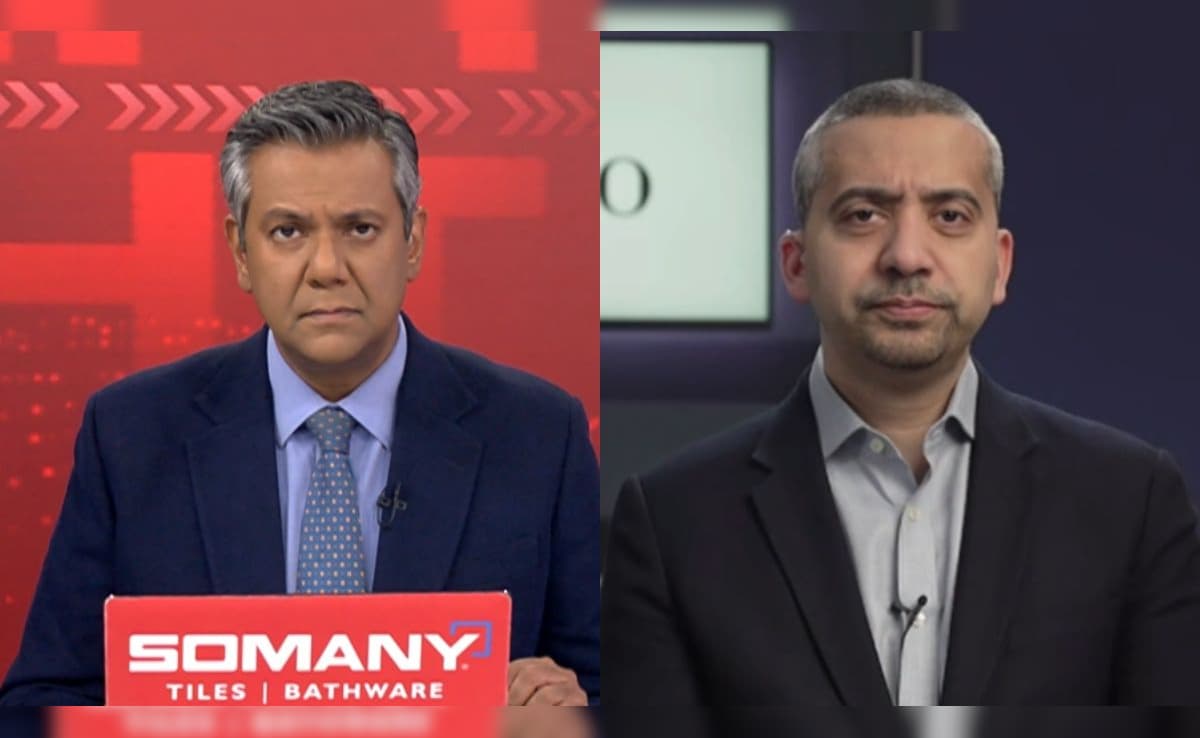
Pakistan is being positioned as a potential host or broker in renewed US-Iran talks, but Mehdi Hasan called any belief in a weekend deal "absurd" and said the process could take months or years. The article highlights heightened geopolitical risk around the fragile ceasefire and the Strait of Hormuz, where disruption could affect global energy markets. It also underscores Pakistan's unusually close ties to Trump and Field Marshal Asim Munir, including Munir's reported private Oval Office meeting with the president.
The market-relevant read-through is not a clean “peace premium” but a volatility regime: Pakistan’s role is less as a neutral broker than as a relationship intermediary in a highly personalized US foreign-policy process. That increases the probability of headline-driven whipsaws, because progress depends on a small set of personalities rather than durable institutions; any change in access, ego, or domestic politics can reset expectations overnight. For energy, the key second-order effect is optionality: the Strait of Hormuz risk is being repriced in bursts, but the true gap is in tail hedges rather than spot pricing unless shipping disruptions persist beyond a few days.
The underappreciated beneficiary set is defense and maritime security, not broad EM. Even without a kinetic escalation, insurers, shippers, and LNG cargoes face higher implied risk premia when talks look performative and enforcement credibility is questioned. That tends to bleed into higher working capital, longer voyage economics, and a bias toward rerouting inventories, which can tighten prompt supply in refined products more than crude itself over a 2-8 week window.
The contrarian point is that markets may be underpricing how long a non-deal can last without an immediate blowout in oil. A protracted negotiation process can keep headline risk elevated while allowing physical flows to adapt, which usually caps upside in Brent unless there is a confirmed disruption. In that scenario, the cleaner expression is not outright long crude, but long convexity and relative-value positions that benefit from sustained uncertainty rather than a one-day spike.
For Pakistan, the opportunity is tactical diplomatic relevance, but the risk is reputational overreach: if Islamabad is seen as overpromising mediation, it could inherit blame from both Washington and Tehran when talks stall. That is a negative for Pakistan risk assets only if the narrative shifts from ‘bridge’ to ‘proxy,’ but the transmission would likely show up first in FX and sovereign spreads over weeks, not days.
AI-powered research, real-time alerts, and portfolio analytics for institutional investors.
Request TrialOverall Sentiment
mildly negative
Sentiment Score
-0.15
