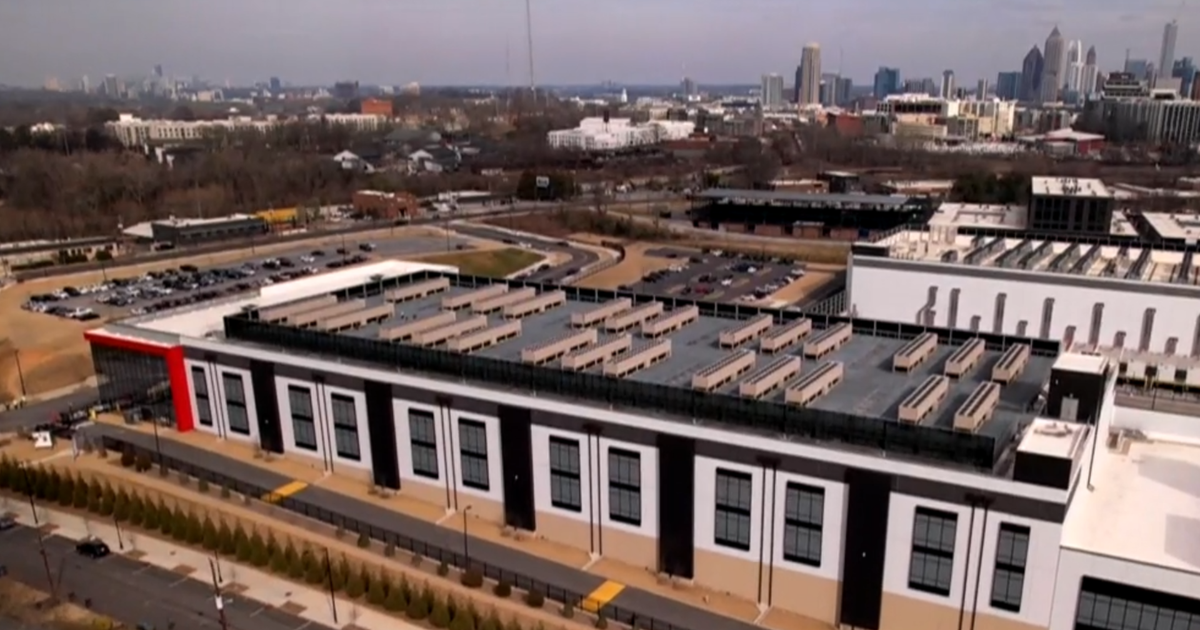
Georgia households are seeing average electric bills rise from about $150 to $225 per month as AI-driven data center demand expands, with some Americans near data centers paying up to 267% more than five years ago. CBS News reports Georgia Power imposed six rate hikes in three years, while the company has since announced a rate freeze and use of large-customer revenue to help offset residential costs. The article highlights growing political and regulatory pressure on utilities as data center growth strains power systems and consumer affordability.
The market is underpricing the regulatory asymmetry here: utilities get to socialize capex through rate base, while the political burden of higher bills falls on households and state commissions. That creates a two-speed outcome where incumbent utilities and their construction ecosystem can still monetize load growth, but the economics become increasingly fragile if residential affordability becomes a ballot-box issue. The key second-order effect is that data-center demand can look structurally bullish for utility load growth while simultaneously compressing public tolerance for incremental rate hikes, raising the odds of delayed approvals, tougher prudency reviews, and forced concessions on future projects.
The real losers are not just retail customers; it is the local industrial base and high-beta consumer cohorts that face a hidden tax via higher operating costs and reduced disposable income. If this persists for 6-18 months, expect margin pressure to show up first in energy-intensive small businesses, then in lower discretionary spend, which can bleed into regional banks, home improvement, and retail names tied to the Southeast. In parallel, utilities with heavy exposure to single-state commissions face a more volatile multiple because investors will start discounting the possibility that “growth” load is less accretive than modeled once interconnection, transmission, and political costs are fully loaded.
The contrarian view is that the AI/data-center buildout may be creating an investable scarcity premium in grid infrastructure, not just a consumer backlash story. The bottleneck is less generation than transmission, distribution, and rate-case execution, which should favor vendors and regulated utilities that can lock in returns on wires, substations, transformers, and gas peakers. If commissions force data centers to sign dedicated tariff structures, the narrative flips from residential subsidy to industrial customer paying its own way, which would relieve the most negative headline risk within 1-2 quarters.
Near term, the catalyst path is regulatory: any state-level tariff reforms, special-load tariffs, or election-cycle scrutiny can reprice utility multiples quickly, while the downside for consumers is slower but stickier. The cleanest setup is to own the picks-and-shovels of grid expansion rather than the purest retail-exposed utility franchises until there is evidence that large-load customers are being ring-fenced financially. If that does not happen, the sector risks a drawn-out backlash that caps the premium investors are willing to pay for growth tied to AI infrastructure.
AI-powered research, real-time alerts, and portfolio analytics for institutional investors.
Request DemoOverall Sentiment
moderately negative
Sentiment Score
-0.45
