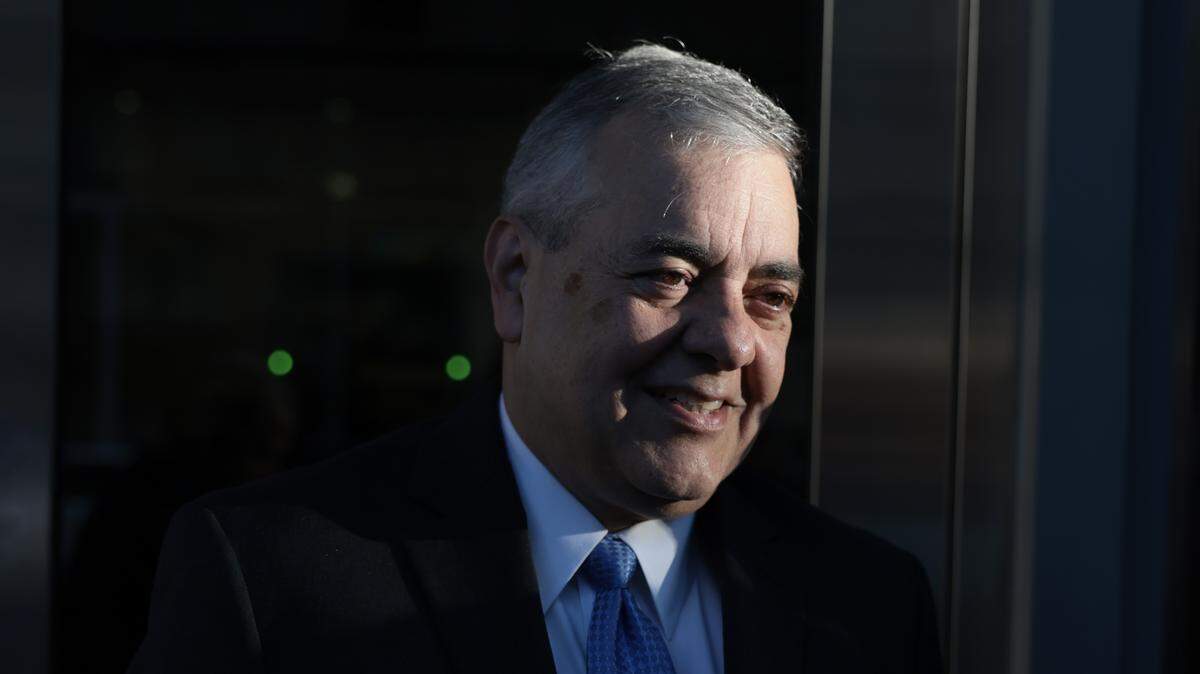
Former Rep. David Rivera and consultant Esther Nuhfer were convicted on all counts in a case tied to Venezuela, including conspiracy and foreign-agent-related charges, after prosecutors said they secretly lobbied U.S. officials while working on behalf of Maduro-linked interests. The jury also indicated a potential $20 million forfeiture tied to the PDV USA consulting contract. The case underscores continued legal and sanctions risk around Venezuela-linked business and political activity, but direct market impact is likely limited.
This is less about one conviction and more about the pricing of political access as a durable, monetizable asset. The second-order effect is a chilling of gray-zone consulting structures that sit between lobbying, sanctions evasion, and sovereign relationship management; that should tighten compliance risk premia for firms that rely on ex-politicians, ex-diplomats, and back-channel intermediaries in Latin America and other sanctioned markets. The immediate economic damage is not to broad market cap but to a small ecosystem of boutique consultancies, DC law firms, and reputationally sensitive financial intermediaries that get paid to convert influence into optionality.
The bigger market implication is for Venezuela-related exposure: any entity with even indirect ties to PDVSA, Citgo, Gorrín, or sanctioned counterparties now faces a higher probability of subpoenas, payment freezes, and clawback litigation over the next 6-18 months. That doesn’t just hit the obvious names; it also raises counterparty risk for banks, insurers, and travel/aviation providers that facilitate private-jet movements, escrow, and cross-border settlement. In practice, the cost of doing business in this corridor rises faster than the nominal sanctions regime because the enforcement signal now extends to political intermediaries, not just asset owners.
The contrarian point is that the headline may be over-interpreted as a broad anti-Venezuela escalation. A conviction on registration and money-laundering theories does not itself change the strategic value of Venezuelan debt, oil flows, or eventual normalization odds; if anything, it may improve bargaining leverage by reducing the supply of opaque brokers. That means the trade is not to short Venezuela broadly on conviction day, but to fade the most exposed intermediaries and headline-sensitive service providers while waiting for a longer-dated policy response.
Catalyst-wise, the next 30-90 days matter for forfeiture, sentencing, and any follow-on indictments or civil actions. Over 6-12 months, the key variable is whether enforcement expands to institutions that processed payments or facilitated travel; if so, this becomes a larger compliance event with spillover into EM legal-risk pricing. Reversal would require a clear diplomatic thaw or sanctions relief framework, which is a multi-quarter policy process rather than a near-term catalyst.
AI-powered research, real-time alerts, and portfolio analytics for institutional investors.
Request DemoOverall Sentiment
strongly negative
Sentiment Score
-0.62
