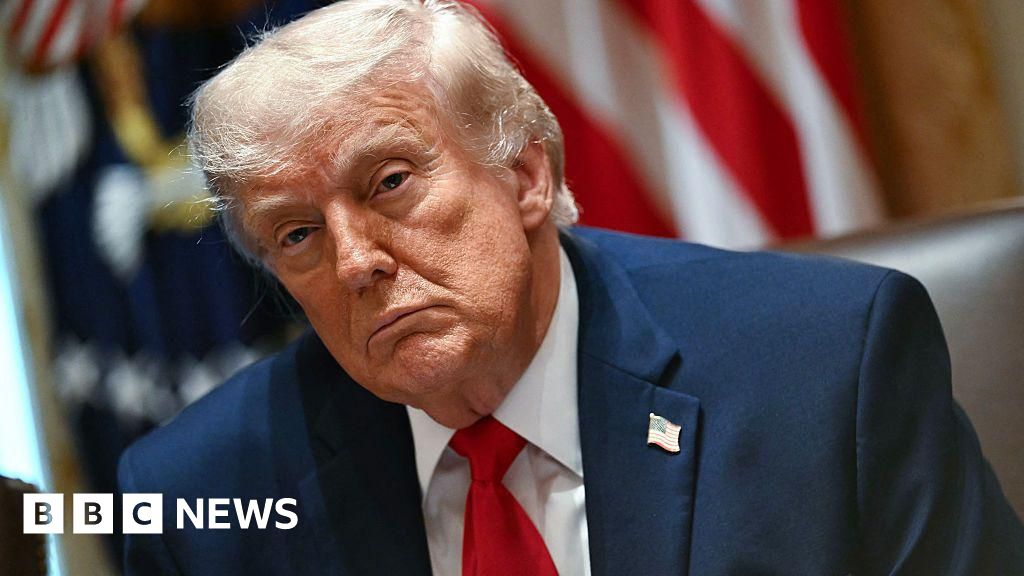
Trump said he is making a "final determination" on a potential 60-day extension of the US-Iran ceasefire, with conditions including no Iranian nuclear weapon capability and reopening the Strait of Hormuz for unrestricted shipping. The standoff remains unresolved, with no confirmation from Iran and reports of disputes over enrichment language and uranium destruction. The situation is highly sensitive for oil, shipping, and broader risk sentiment given the strategic importance of the Strait of Hormuz.
The market is treating this as a binary de-escalation event, but the more important read is that it creates a rolling series of micro-catalysts rather than a one-time resolution. Even if a framework is announced, the highest-probability outcome is a fragile compliance window with repeated verification disputes, which keeps the geopolitical risk premium embedded in crude and freight rather than collapsing it. That means the first-order move may be in spot oil, while the second-order winners are the assets that benefit from persistent volatility: tanker rates, maritime security spend, and defense procurement.
The Strait of Hormuz angle matters more for dispersion than direction. If shipping normalizes, refiners and downstream industrials get relief almost immediately; if implementation stalls, the market will quickly reprice not just barrels but insurance, rerouting, and inventory behavior across Asia and Europe. The bigger hidden beneficiary of uncertainty is U.S. energy self-sufficiency: any renewed threat to the waterway tends to steepen the domestic crude discount versus global benchmarks and supports North American producers relative to import-dependent refiners and airlines.
The contrarian risk is that consensus may be too focused on a crude spike and not enough on how fast the premium can unwind if both sides need the optics of progress. In that scenario, the duration of the trade matters more than the level: a 2-6 week relief rally in risk assets tied to lower shipping costs could come even without a durable political settlement. The key tell will be whether implementation language around enrichment and uranium removal survives the next round of headlines; if not, the market likely keeps pricing a repeat cycle of deadline-extension headlines every few weeks.
For portfolios, this is a volatility-trading setup, not a clean directional bet. The best asymmetric exposure is to own assets that benefit from either outcome: lower realized energy volatility or higher defense/logistics spending if talks fail. The main mistake would be assuming the first headline is the final state; the more probable path is a negotiated pause with unresolved enforcement, which supports option premia and relative-value expressions over outright spot exposure.
AI-powered research, real-time alerts, and portfolio analytics for institutional investors.
Request DemoOverall Sentiment
mildly negative
Sentiment Score
-0.18
