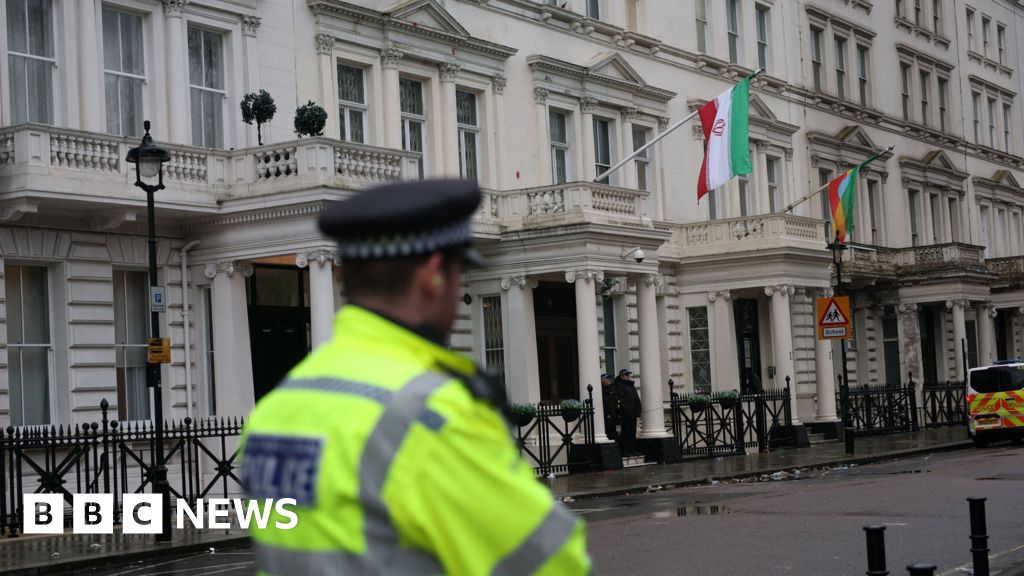
The UK summoned Iran's ambassador after reports of a brutal crackdown on nationwide protests and announced it will implement "full and further sanctions" aimed at finance, energy, transport, software and other industries; Foreign Secretary Yvette Cooper also said the government has imposed over 220 sanctions on Iran since taking office. Several European countries have similarly summoned Iranian envoys, the US is weighing a stronger response including possible military considerations and has reportedly levied a 25% import tariff related to dealings with Iran, while Tehran has imposed near-total internet outages that hinder independent casualty verification — developments that raise regional geopolitical risk and could pressure energy and trade-exposed assets.
Market structure: Immediate winners are global energy producers and integrated majors (XOM, CVX, XLE) and defense contractors (RTX, LMT) as Western sanctions and operational risk lift risk premia on crude and defence spending; losers are regional EM assets (EEM), Iranian-linked trade finance, airlines (JETS) and shipping whose fuel/insurance costs rise. If sanctions choke legal Iranian barrels (0.5–1.0 mbpd), expect Brent to reprice +5–15% in weeks, shifting pricing power to non-Iran producers and refiners with spare capacity.
Risk assessment: Tail risks include a confined military strike or Strait of Hormuz disruption that could add >$20/bbl within days and a broader trade shock that tightens global liquidity; cyber blackouts and secondary sanctions on banks pose operational risk to transaction flows. Time horizons: days—volatility and FX moves; weeks–months—sanctions implementation and energy reallocation; quarters—capex/production responses. Hidden deps include China/Russia purchase behavior and insurance market repricing for tanker routes.
Trade implications: Short-term (next 5 trading days) buy volatility via a 30–60 day VIX call spread and long 2–3% XLE exposure for tactical crude upside; medium-term (3–12 months) overweight integrated majors (XOM/CVX) and selective defence (RTX) while underweight EM equities (EEM). Use pair trades to isolate oil exposure (long XLE, short EEM) and use call spreads (3-month) on XOM/CVX to limit premium spend; trim if Brent falls >5% or violence de‑escalates.
Contrarian angles: The market may overpay for headline defence plays—RTX/LMT multiples already reflect a premium; underappreciated beneficiaries are refiners and marine insurers (higher freight/insurance spreads). Historical parallels (2011–2012 sanctions) show oil spikes normalize in 3–6 months as non-sanctioned supply ramps, so size positions with staged add-ons and explicit Brent/ sanction triggers to avoid mean-reversion losses.
AI-powered research, real-time alerts, and portfolio analytics for institutional investors.
Request DemoOverall Sentiment
moderately negative
Sentiment Score
-0.55
