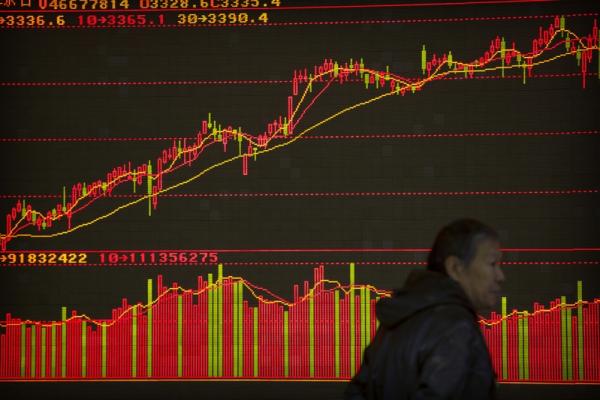
Asian equities surged on optimism that Trump is close to signing a U.S.-Iran peace deal, with KOSPI up over 8%, Nikkei 225 up 3.5%, and China’s CSI 300 and Shanghai Composite both up 1.6%. Oil prices fell after Trump said the agreement would include the immediate reopening of the Strait of Hormuz, while tech and chip stocks rebounded sharply and attention turned to SpaceX’s $75 billion Nasdaq debut. The move reflects a broad risk-on shift driven by geopolitics, energy, and tech sentiment, with some caution remaining over whether a final deal is actually reached.
This is a classic relief-rally setup: the market is pricing a near-term de-escalation premium being stripped out of oil, defense, and volatility, while cyclicals, semis, and high-duration tech catch a reflex bid. The second-order effect is more important than the headline: a sustained drop in crude tightens financial conditions less than a rate cut would, effectively acting like an exogenous easing cycle for consumers and margin-sensitive sectors in Asia. That supports semis and internet names first, but the move is also a positioning squeeze because these areas were already crowded shorts after the recent de-risking.
The fragility is that this is a binary headline market, not a durable regime shift. If the agreement looks ambiguous, delayed, or conditional on a phased opening of shipping lanes, crude can retrace quickly and the “peace dividend” gets faded within 1-3 sessions. The key risk is that investors extrapolate a tactical oil air pocket into a structural disinflation impulse; if the geopolitical premium only unwinds partway, the real beneficiaries are balance-sheet quality and domestic-demand losers, not the entire beta complex.
The most interesting second-order trade is not simply long beta, but long the sectors that were hit by both war risk and rates: Asia semis, Japanese exporters, and internet platforms with ad sensitivity to consumer confidence. At the same time, the market may be underpricing the benefit to transport, airlines, and select retailers from lower fuel costs over the next 1-2 quarters. On the flip side, upstream energy and defense names likely face a short-duration multiple headwind, but only if the deal narrative survives beyond weekend headline risk.
AI-powered research, real-time alerts, and portfolio analytics for institutional investors.
Request DemoOverall Sentiment
strongly positive
Sentiment Score
0.72
