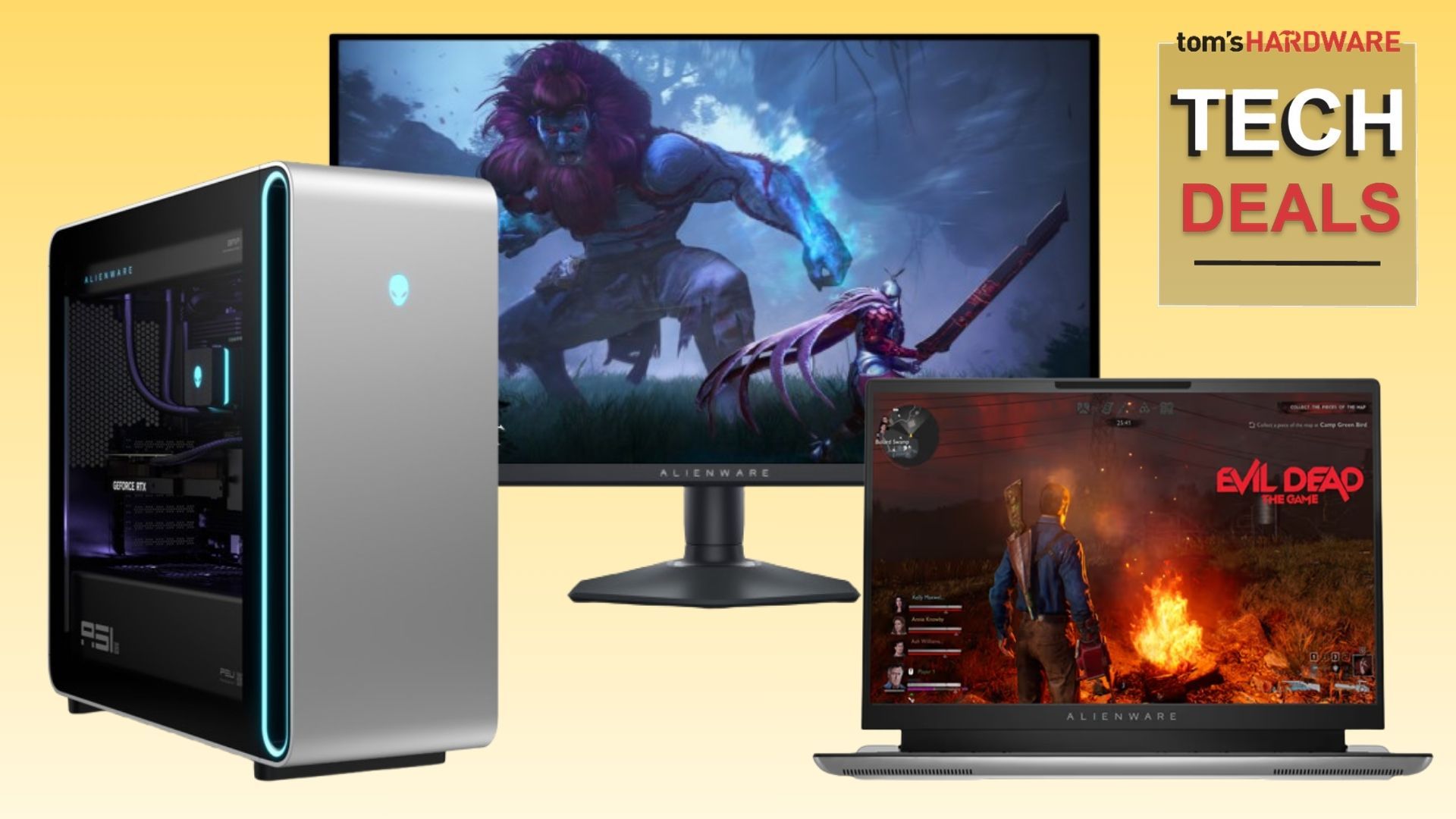
Dell and Alienware are offering Memorial Day discounts of up to $900 across laptops, desktops, and monitors, including RTX 50-series gaming systems and productivity PCs. The article highlights multiple configurations, such as Alienware laptops with RTX 5060/5050 GPUs, an Area-51 desktop with an RTX 5080, and several discounted Dell monitors. The piece is promotional and consumer-focused, with limited direct market impact beyond potentially supporting retail demand.
Dell’s Memorial Day pricing is a demand-pull signal for the PC refresh cycle, but the more important read-through is not unit volume; it’s mix. The discounting is concentrated in premium laptops, gaming rigs, and high-spec monitors, which tells us the channel is using promotion to clear the top end of the stack rather than stimulate broad-based replacement demand. That tends to support near-term revenue visibility for Dell, but it can pressure gross margin if the promotion proves deeper or longer than planned.
The second-order winner is Nvidia: these promotions effectively subsidize the install base for RTX 50-series adoption, which should pull forward gamer and creator upgrades over the next 1-2 quarters. Intel gets a smaller, more indirect benefit via notebook configurations, but the mix still looks more favorable to Nvidia because GPU identity is the primary purchase driver in the featured systems. AMD is the relative bystander here; absent comparable halo placements, it risks ceding mindshare in the premium consumer and enthusiast segment during a promotion window that matters for back-to-school demand planning.
The market is probably underestimating how much of this is a margin-management exercise rather than a demand boom. If Dell is forced to lean on promotions to keep sell-through healthy, the stock can still work on volume, but only if investors trust that lower ASPs translate to faster inventory turns and fewer write-downs over the next 30-60 days. If not, the headline optimism fades quickly and the equity re-rates on softer operating leverage rather than “AI PC” narrative strength.
The contrarian angle is that these deals may be more bearish for competitors than bullish for Dell itself: a visible promo cadence can force HP/Lenovo/Asus into matching behavior, which compresses industry margins into the quarter. That creates a tactical setup where the best risk/reward is often in the supplier and channel math, not the OEM headline.
AI-powered research, real-time alerts, and portfolio analytics for institutional investors.
Request DemoOverall Sentiment
mildly positive
Sentiment Score
0.25
Ticker Sentiment
