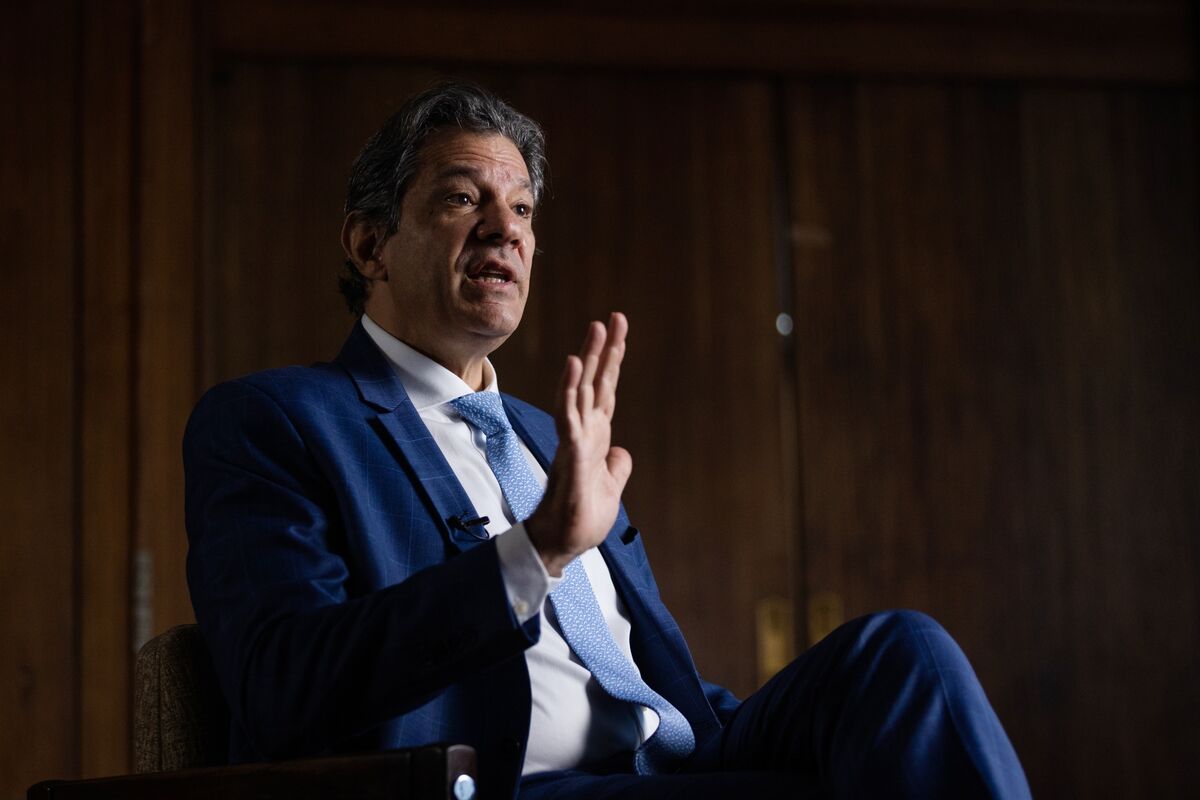
Brazil's Finance Minister Fernando Haddad announced the cancellation of his planned meeting with US Treasury Secretary Scott Bessent, with no new date set despite Haddad's attempts to reschedule. Haddad indicated that Brazil's trade is not a focal point for the US government, signaling a current lack of immediate high-level bilateral economic engagement between the two nations.
The cancellation of a planned meeting between Brazil's Finance Minister Fernando Haddad and US Treasury Secretary Scott Bessent, with no new date set, represents a negative signal for high-level bilateral economic engagement. Minister Haddad's subsequent comment that Brazil's trade is not a 'focal point' for the US government reinforces this perception, introducing an element of uncertainty into the relationship between the two largest economies in the Americas. While the immediate market impact is assessed as low, this development suggests a potential deprioritization of Brazil in US economic policy discussions, which could have longer-term implications for future trade negotiations and investor sentiment regarding Brazil's macro stability and international partnerships.
AI-powered research, real-time alerts, and portfolio analytics for institutional investors.
Request DemoOverall Sentiment
moderately negative
Sentiment Score
-0.35
