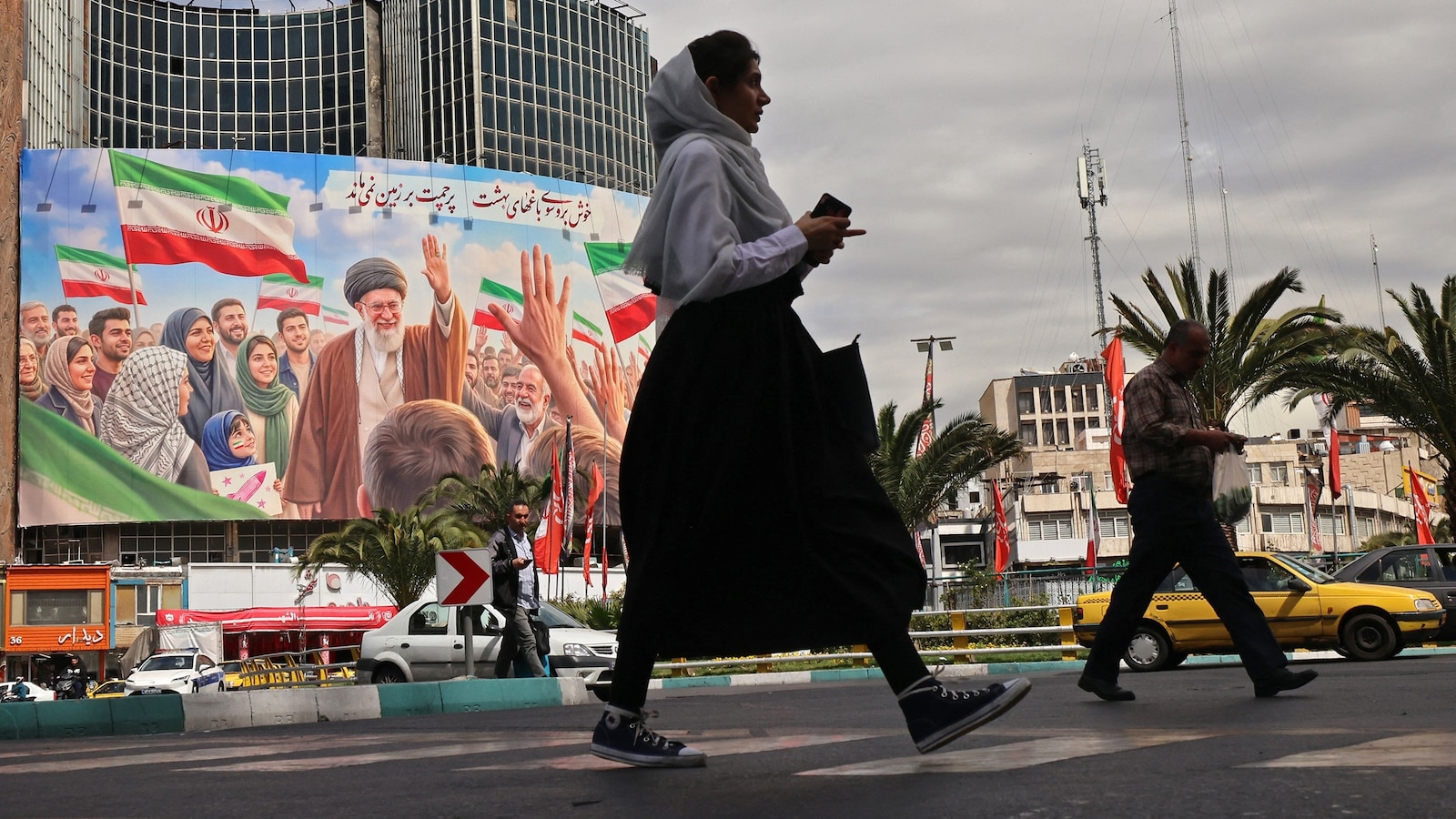
Trump threatened to "knock out every single Power Plant, and every single Bridge" in Iran, escalating tensions as U.S.-Iran talks continue ahead of Monday negotiations in Pakistan. Mike Waltz defended the threat as part of diplomacy backed by military power, while Ro Khanna warned the rhetoric points to "devastation" and possible war crimes concerns. The article raises the risk of broader geopolitical escalation and potential disruption to energy and defense-sensitive markets.
This is less a direct market event than a volatility regime change: the market is being told to price a higher floor on Gulf risk while keeping a near-term diplomatic off-ramp alive. That combination usually compresses risk premia in the first 24-72 hours but widens them over 1-3 months as participants reassess tail outcomes, especially for energy, shipping, and defense-adjacent inputs. The key second-order effect is not just crude supply risk; it is the repricing of Iranian retaliation optionality against regional infrastructure, which can hit insurance, freight, and refinery utilization before any actual military action occurs.
The most asymmetric loser is anything exposed to Strait of Hormuz disruption without direct pricing power: Asian refiners, chemical producers, airlines, and bulk shippers with weak fuel surcharges. Even absent a kinetic follow-through, headline risk can lift implied vols and bunker-cost assumptions, squeezing margins for 1-2 quarters. Conversely, US defense primes and missile-defense suppliers benefit from a higher probability of replenishment cycles and allied procurement, but the move is better expressed via subsector baskets than single-name beta, because the market will initially treat this as a one-off geopolitical spike rather than a budget-cycle inflection.
The contrarian read is that the threat itself may be the peak-risk moment: if diplomacy is credible, the market could fade the escalation premium quickly once talks continue and no strike materializes. That makes outright longs in broad energy less attractive than convex structures that monetize either a spike or a de-escalation drift. The real tell will be shipping insurance rates and Gulf tanker routing over the next 5-10 trading sessions; if they fail to tighten, the implied geopolitical shock is likely overdone.
Domestic-politics overhang matters because prolonged Middle East focus raises the odds that fiscal or inflation-sensitive messaging returns to the fore, which can cap rate-sensitive sectors if oil prices drift higher. The clearest market impact window is days for vol, weeks for energy differentials, and months for procurement and supply-chain repricing if the standoff persists.
AI-powered research, real-time alerts, and portfolio analytics for institutional investors.
Request DemoOverall Sentiment
strongly negative
Sentiment Score
-0.55
