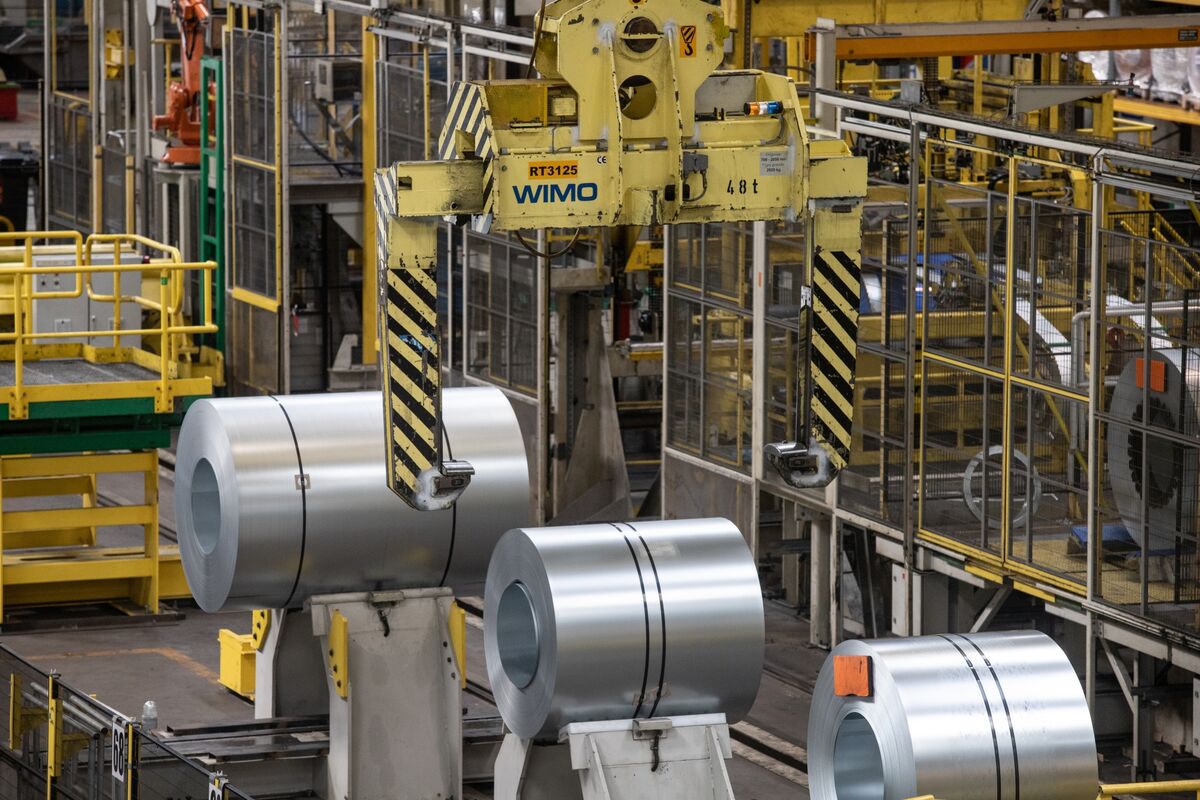
India's Tata Steel Ltd. is strategically shifting its market focus to regions like the Middle East and Latin America. This move, confirmed by CEO T.V. Narendran, directly addresses the adverse impact of US tariffs on its shipments, as the company seeks new demand for high-end steel outside of tariff-affected areas.
Tata Steel Ltd. is implementing a defensive strategic pivot in its export operations as a direct response to U.S. tariffs impacting its shipments. The company is actively exploring new markets, specifically targeting the Middle East and Latin America, to secure demand for its high-end steel products and mitigate the adverse financial effects of U.S. trade policy. This move, confirmed by CEO T.V. Narendran, signals a tangible effort to de-risk its geographic concentration and adapt its supply chain to the current protectionist environment. While the CEO did not elaborate on the specific financial fallout from the levies, the announcement itself highlights that the impact is material enough to warrant a fundamental shift in its go-to-market strategy, introducing both opportunities in new regions and uncertainty regarding the execution and profitability of this pivot.
AI-powered research, real-time alerts, and portfolio analytics for institutional investors.
Request DemoOverall Sentiment
mildly negative
Sentiment Score
-0.25
