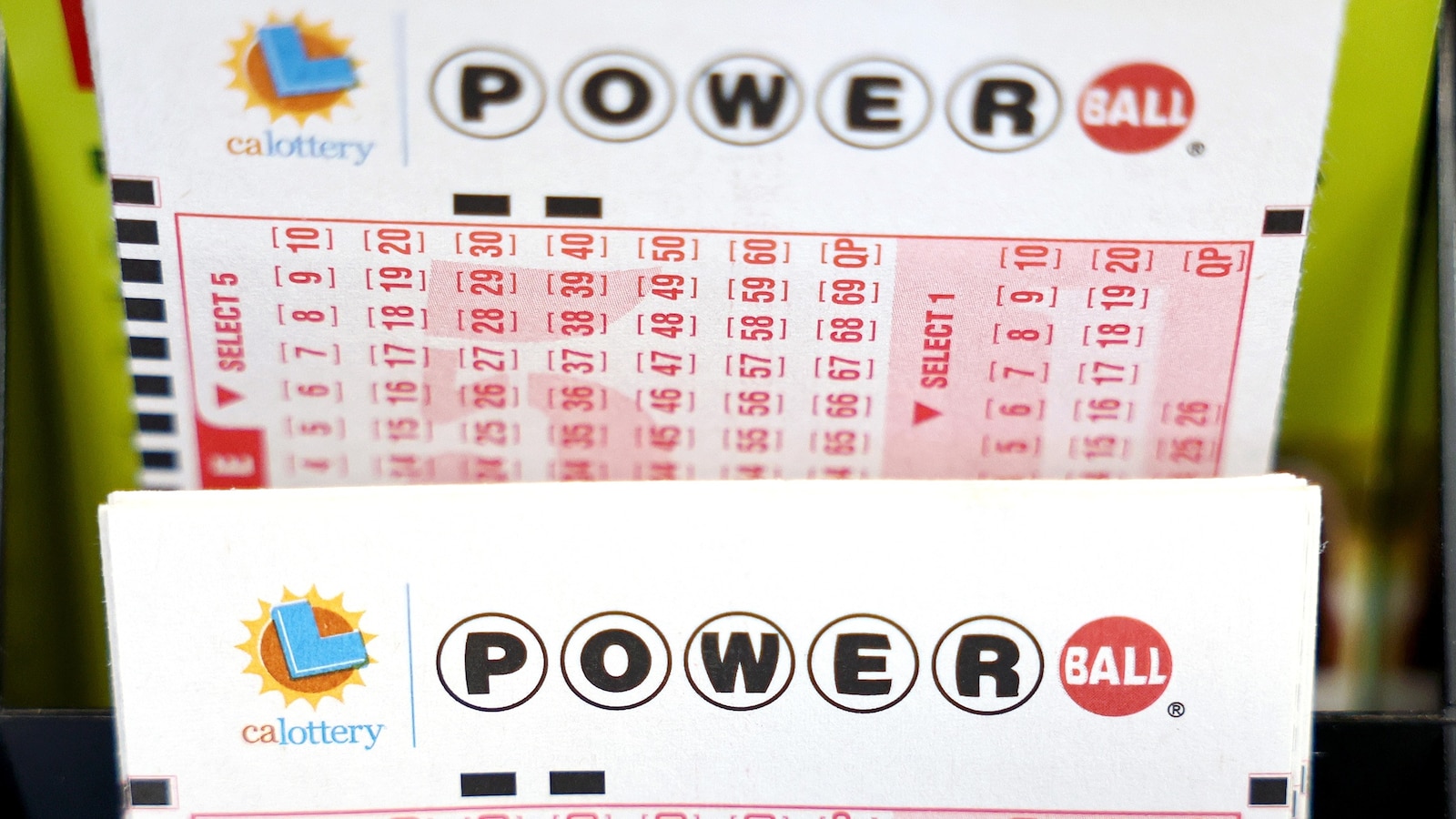
The Powerball jackpot has reached an estimated $1.7 billion for the Dec. 24 drawing (10:59 p.m. ET), marking the fourth-largest prize in U.S. history after 46 consecutive draws without a winner. Winners can elect a $781.3 million lump-sum or the full annuitized prize paid annually (both pre-tax); the jackpot is won by matching five numbers (1–69) plus a Powerball (1–26) with odds of roughly 1 in 292 million. The event is notable for consumer spending and media attention but is unlikely to move financial markets materially.
Market structure: Large jackpots are a narrowly concentrated demand shock that primarily benefits lottery operators (IGT, LNW) via higher ticket volume and retail sellers (Casey’s CASY, some Walmart WMT locations), broadcast sponsors and local media for 1–2 weeks of elevated eyeballs. Consumer displacement is minimal—the $2 ticket cost and 1-in-292m odds mean discretionary spend shifts (lottery vs. small-item retail) are measured in low-single-digit percent for affected merchants in the short run. Pricing power doesn't change materially; this is a volume, not a margin, event.
Risk assessment: Tail risks include state regulatory changes to lottery commissions, high-profile fraud or winner disputes, or a surprise federal/state tax policy change that alters payout attractiveness—each could compress operator take rates by >10%. Immediate (days) effects: traffic spikes and trading noise; short-term (weeks) effects: measurable revenue uptick; long-term (quarters) effects: none unless policy changes. Hidden dependencies include retail POS capacity and telecom uptime during the draw window; a POS outage would dent same‑day sales and social sentiment.
Trade implications: Expect event-driven equity moves, typically modest (single‑digit percentages) and concentrated in small/mid caps. Preferred plays are short-dated directional call-spreads on IGT/LNW and micro-long exposure to high-lottery-mix retailers (CASY) to capture 5–20% near-term volume bump; avoid broad consumer discretionary rotation—macroeconomic impact is immaterial. Use tight sizing (0.2–2% of portfolio) and explicit stop/targets because moves are mean-reverting after draws.
Contrarian angles: Consensus understates regulatory risk and the lump-sum preference—if >60% of winners choose lump sums (typical), state annuity liabilities shrink and future issuance patterns alter, benefiting operators that charge per-ticket fees but hurting states relying on annuity-dependent budgeting. Reaction is often overdone intraday; tradeable dislocations appear in weekly returns, not multi-quarter trends. Monitor state-level lottery fee filings and retailer weekend same-store-sales prints for true signal.
AI-powered research, real-time alerts, and portfolio analytics for institutional investors.
Request DemoOverall Sentiment
neutral
Sentiment Score
0.00
