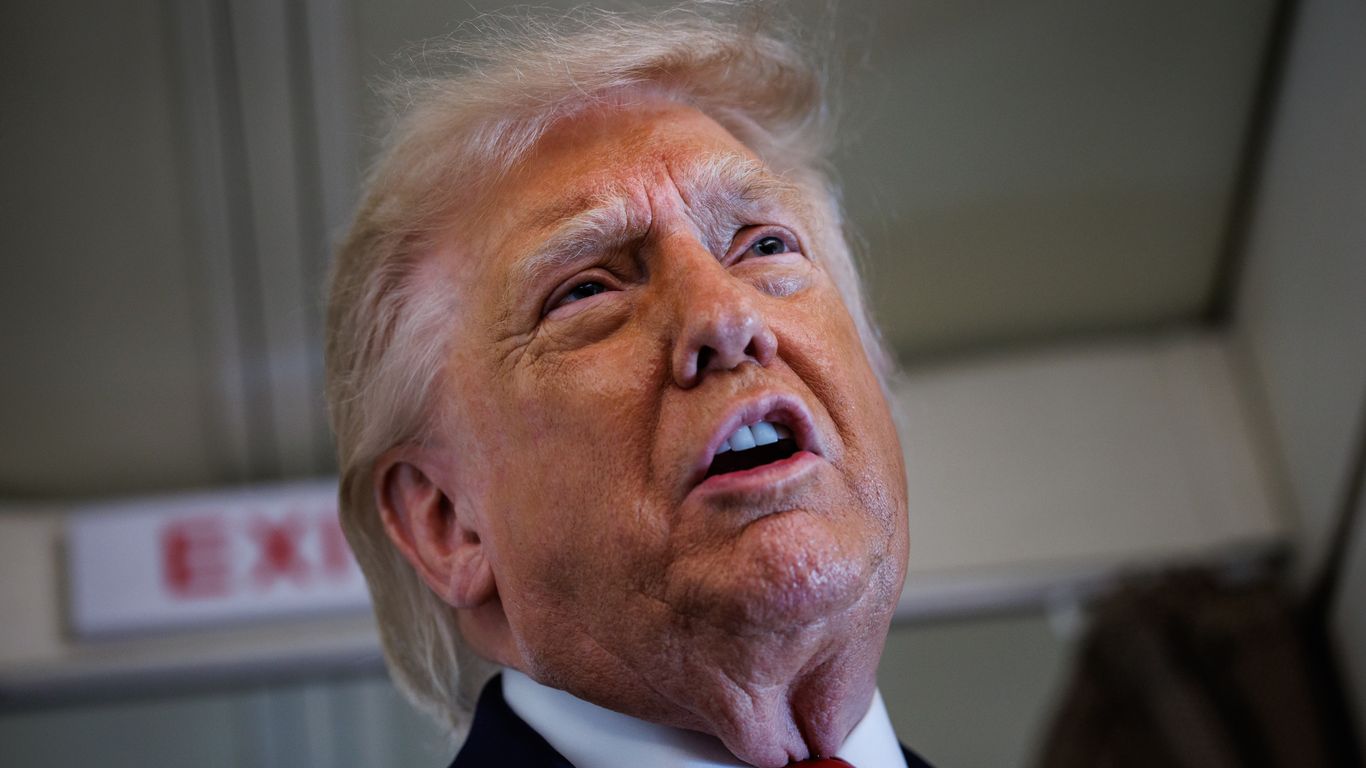
A federal judge ruled that Trump’s $100,000 H-1B visa petition fee is unlawful, calling it effectively a tax imposed without congressional authorization. The decision blocks a major immigration policy change, though the White House said it will appeal and remains confident the order will be reversed. The ruling could ease cost pressure on employers that rely on H-1B talent, especially in technology and other specialty-occupation industries.
This is less about one fee change and more about the market re-pricing regulatory durability in the immigration channel that underpins a meaningful slice of U.S. knowledge-worker supply. The immediate equity read-through is modest for mega-cap software, but the second-order effect is on wage inflation and delivery risk for firms that lean on scarce engineering labor: if the policy is ultimately struck down, the marginal cost pressure gets removed before it can feed into hiring bottlenecks, contractor mix shifts, or offshoring acceleration.
The most interesting implication is cross-sector dispersion rather than index-level beta. Companies with heavy U.S.-based R&D exposure and tight labor markets are the cleanest beneficiaries of policy reversal; by contrast, firms that have already restructured around offshore delivery or embedded visa-related cost assumptions may have to unwind contingency plans, creating execution noise over the next 1-2 quarters. The judge’s framing also weakens the “administrative fee as leverage” playbook, which means the market should assign a lower probability to similar unilateral cost shocks in adjacent labor or trade areas.
Catalyst timing matters: the appeal process creates a months-long overhang, so this is not a clean immediate win. The real tail risk is a split outcome where the fee is partially reinstated or replaced with a narrower version, which would keep uncertainty elevated while still suppressing hiring flexibility; that outcome is the worst for smaller growth companies with less buffer to absorb sudden labor-cost changes. Consensus may be underestimating how much of the policy premium was already embedded in management commentary, meaning a final reversal could produce a relief rally in select tech names even if the headline is not large enough to move the whole sector.
AI-powered research, real-time alerts, and portfolio analytics for institutional investors.
Request DemoOverall Sentiment
mildly negative
Sentiment Score
-0.15
