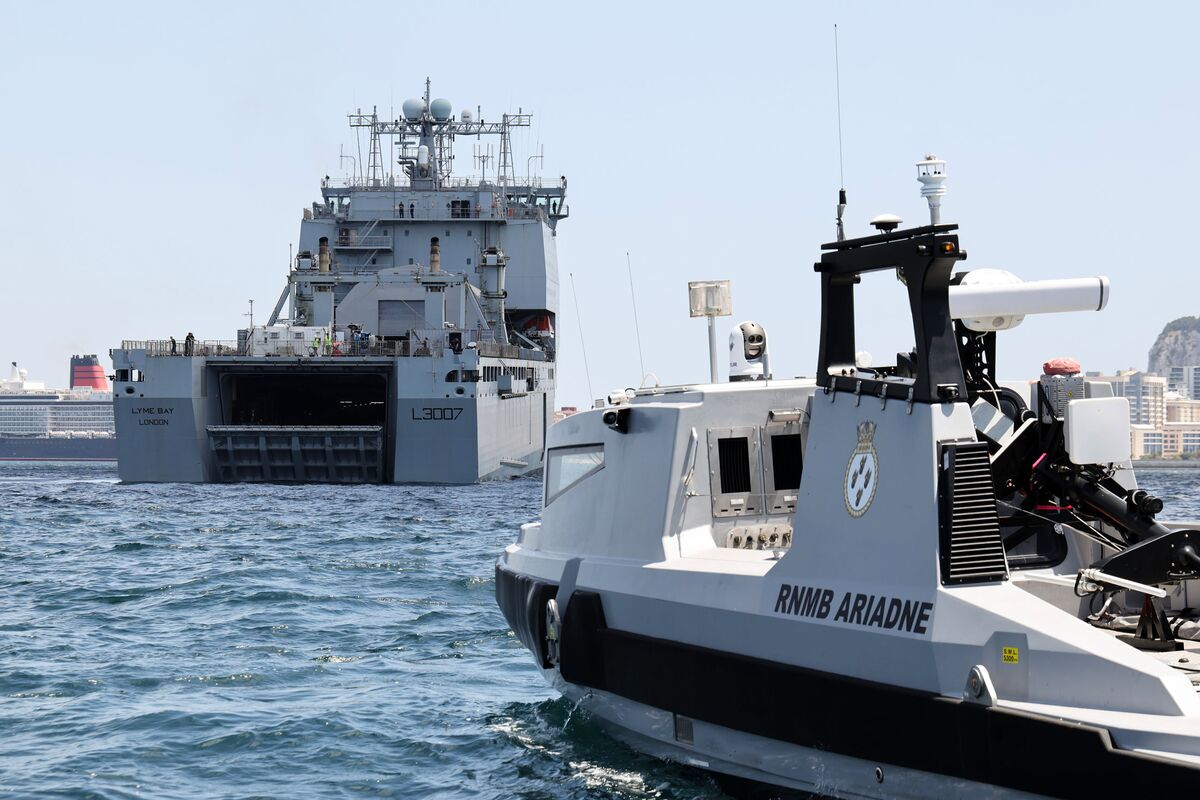
European leaders said they are ready to deploy military assets to help reopen the Strait of Hormuz once the US-Iran peace agreement is implemented, including a UK-led maritime de-mining mission. Prime Minister Keir Starmer said Britain is prepared to “play our part” to provide reassurance to commercial vessels. The announcement is constructive for shipping and energy supply-route security, but its immediate market impact depends on the peace deal being enacted.
The key market implication is not the headline reopening itself, but the collapse in the shipping-risk premium if a credible multinational maritime presence forms quickly. The first beneficiaries are insurers, bulk carriers, and LNG shippers through lower war-risk premia and better schedule reliability; the second-order loser is anyone positioned for persistent rerouting or supply bottlenecks, especially tanker and container names that had been pricing in prolonged disruption. If the mission is delayed, however, the market will continue to pay for optionality on elevated freight and insurance costs, so the timing gap matters more than the announcement.
Energy is the trickiest read: a de-escalation path should compress the geopolitical tail in crude faster than the physical barrels can normalize, meaning near-dated oil volatility can fall even if prompt supply is unchanged. That tends to hit upstream beta and commodity-linked FX/trades before it shows up in spot fundamentals. The more durable effect is on inflation expectations and rates: lower energy-risk premium should ease breakeven pressure, which can modestly help duration-sensitive growth and transport-heavy end markets over a 1-3 month horizon.
The contrarian angle is that a peace-backed mission may actually be bullish for risk assets only after an initial relief selloff in defense and energy hedges. Consensus will likely focus on lower oil, but the more important market structure effect is that a visible security umbrella reduces the probability of repeated spikes, which usually compresses realized volatility across the entire freight complex. The downside case is political fragility: any attack on commercial shipping before the mission is operational would reprice risk violently and punish short-vol positions first.
AI-powered research, real-time alerts, and portfolio analytics for institutional investors.
Request DemoOverall Sentiment
neutral
Sentiment Score
0.15
