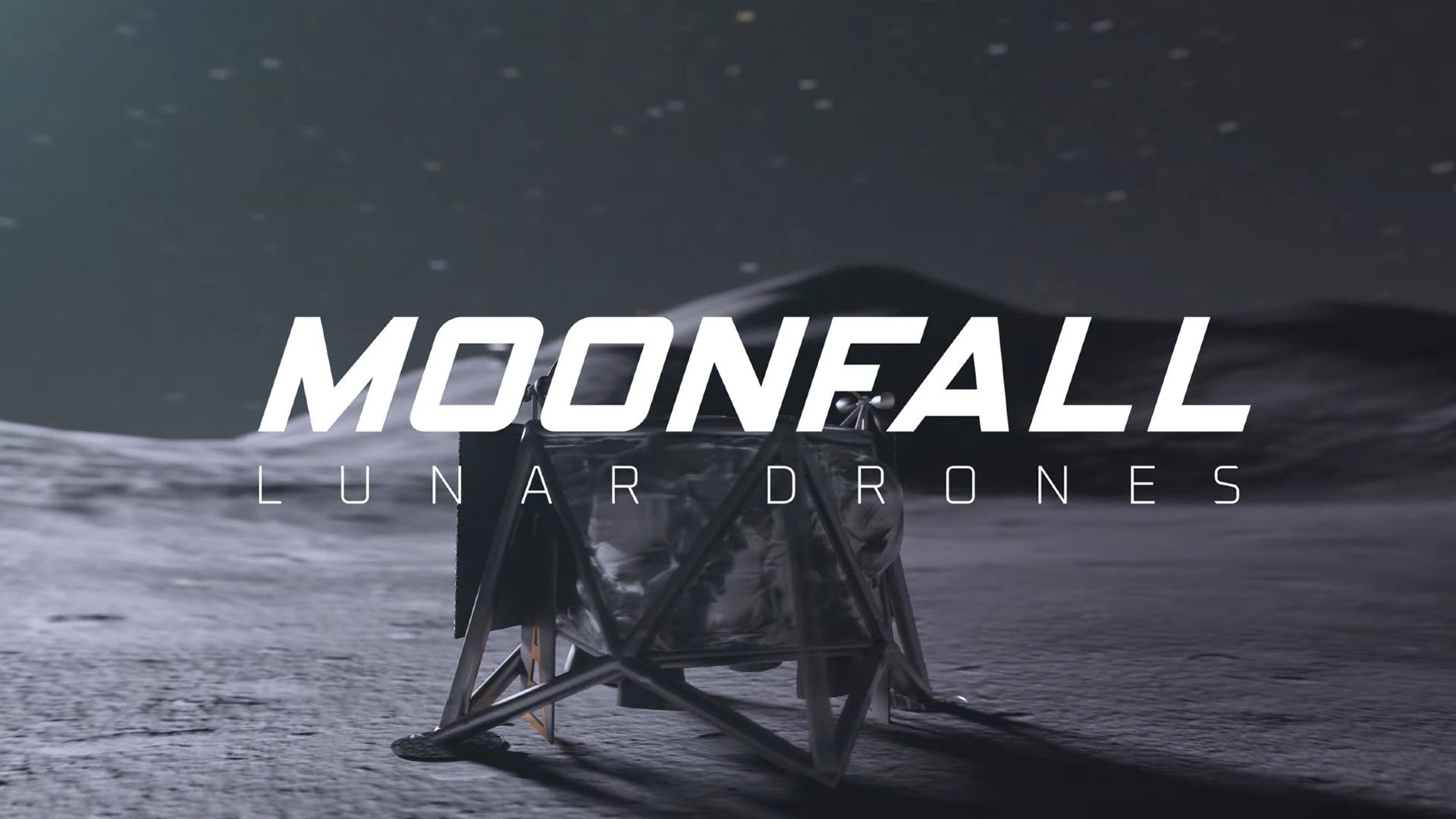
NASA plans to deploy four MoonFall drones to scout the lunar south pole, with each drone designed to cover roughly 30 miles and the program targeted for completion by the end of 2028. Key milestones include industry partner selection by June, captive-carry tests later this year, spacecraft integration in late summer 2027, and delivery to the launch site in 2028. The article is largely a program update with no disclosed budget yet, so market impact appears limited.
This is less a pure “space exploration” headline than a procurement signal for a small cluster of robotics, avionics, autonomy, and environmental-control suppliers. The economic value sits in the shift from single-shot heavy landers to distributed, lower-capex surface scouting: if the architecture works, NASA effectively creates a repeatable template for robotics-first lunar infrastructure, which should reward contractors with flight heritage, ruggedized autonomy, and systems-integration depth. The competitive edge is not the drone itself; it is whoever can prove dependable flight-software, thermal survival, and precision mobility in a regime where failures are expensive and politically visible.
The second-order winner is likely the industrial base around mission assurance: test equipment, simulation, radiation-tolerant components, batteries, propulsion subsystems, and communications. What matters for public equities is that lunar programs tend to have long qualification cycles but then create multi-year follow-on revenue once a vendor is embedded, so the market may underestimate the durability of backlog if this initiative expands beyond one mission. The biggest loser is any prime that still relies on monolithic, single-point-of-failure architectures; the budget narrative is clearly moving toward smaller, modular shots on goal and away from bespoke hero missions.
The main risk is schedule compression. A 2028 deployment target leaves very little slack for prototype failure, supplier bottlenecks, or a change in agency leadership after the next election cycle; any slip likely pushes spending and revenue recognition into 2029+, which is a long time in capital markets. In the nearer term, the catalyst is partner selection within months: that is when the market will start pricing which subsystems are standardized, which are custom, and which vendors get locked in. The contrarian angle is that the headline optimism may already be overdiscussed while the actual revenue opportunity is still underappreciated; the real trade is not on lunar success, but on who wins recurring qualification and integration work before the mission even flies.
AI-powered research, real-time alerts, and portfolio analytics for institutional investors.
Request DemoOverall Sentiment
mildly positive
Sentiment Score
0.20
