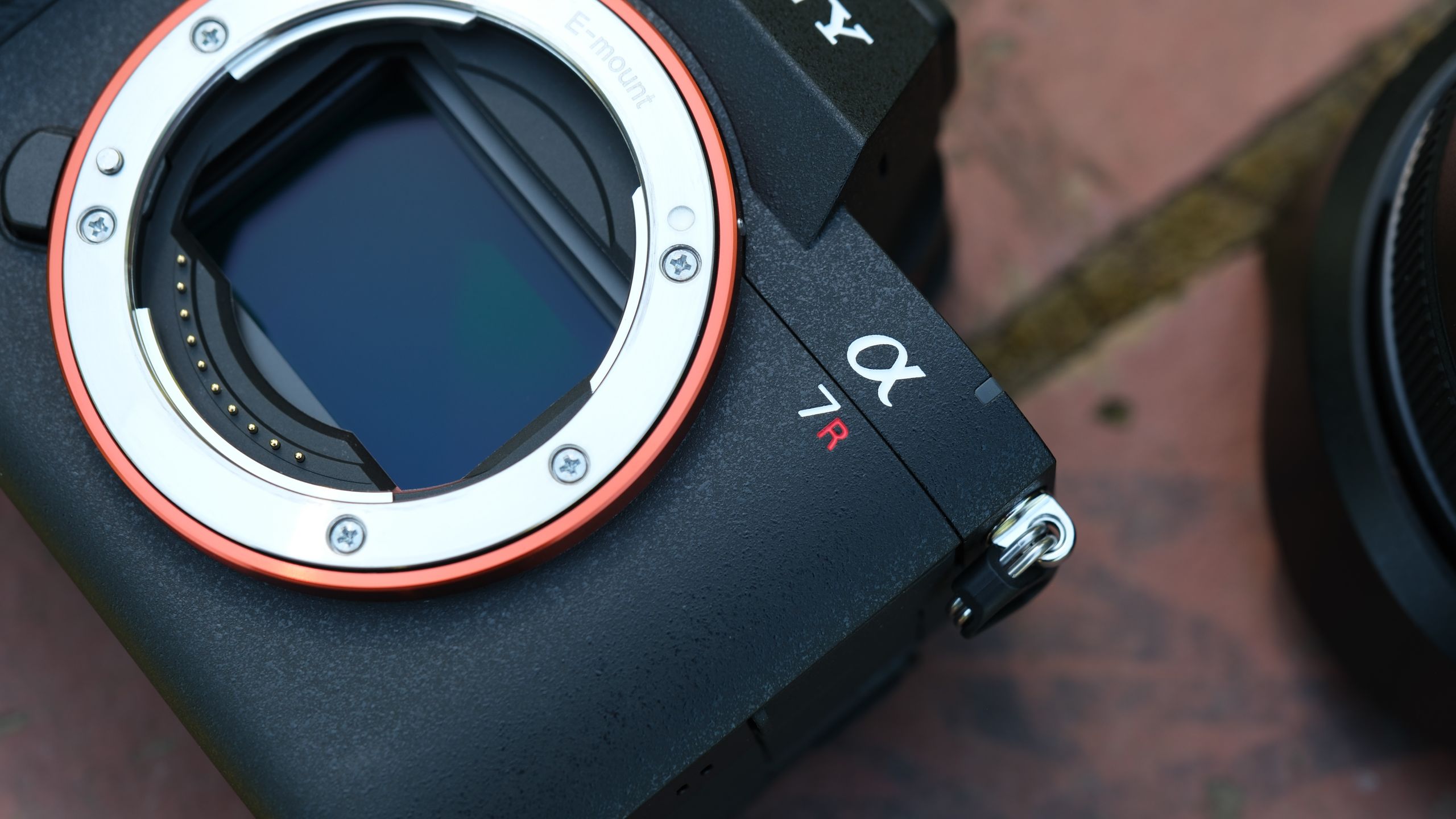
Sony’s A7R VI debuts with a 66.8MP stacked sensor, 30fps 14-bit RAW shooting, 8K/4K120 video, improved stabilization, and stronger autofocus, positioning it as a more capable hybrid flagship. The main drawback is price: at around $4,500, it is materially more expensive than the A7R V, and the review questions whether the upgrade is worthwhile for buyers focused mainly on resolution. The article is broadly positive on performance but cautious on value.
SONY is pushing the high-end Alpha line into a different economic bucket: this is less about incremental camera-unit volume and more about defending pricing power in a category where feature gaps are narrowing and buyers are increasingly rational. The second-order effect is that the company is trying to migrate the A7R franchise from a niche resolution SKU into a hybrid halo product, which should improve mix and attach rates for higher-margin lenses, media, batteries, and pro accessories. That matters more than body sell-through alone because the body is the lead product in an ecosystem sale.
The risk/reward hinges on whether the market accepts a premium enough to offset likely unit elasticity. A step-up in launch price this large usually compresses the addressable upgrader base in the first 2-3 quarters, especially when a prior-gen model remains “good enough” for the core resolution buyer. In other words, SONY may be choosing margin per unit over volume, and the near-term read-through is more about ASP support than explosive demand.
Competitive dynamics favor SONY’s ecosystem, but the real vulnerability is not Canon or Nikon feature parity; it is substitution within SONY’s own lineup and a broader consumer tendency to wait for discounts. If the A7R VI is perceived as a luxury rather than a necessity, channel inventory can build, forcing rebates within 1-2 quarters and pulling future demand forward without expanding the market. That would be a negative for gross margin even if headline reviews stay positive.
Contrarian take: the consensus may be underestimating how much a truly fast high-res body can refresh the upgrade cycle among event, wildlife, and hybrid shooters. If those users adopt it, SONY could see a longer-than-usual revenue tail because the product is sticky in professional workflows and increases switching costs. The stock likely trades better if this is framed as a mix/margin story rather than a pure unit-growth story.
AI-powered research, real-time alerts, and portfolio analytics for institutional investors.
Request DemoOverall Sentiment
moderately positive
Sentiment Score
0.35
Ticker Sentiment
