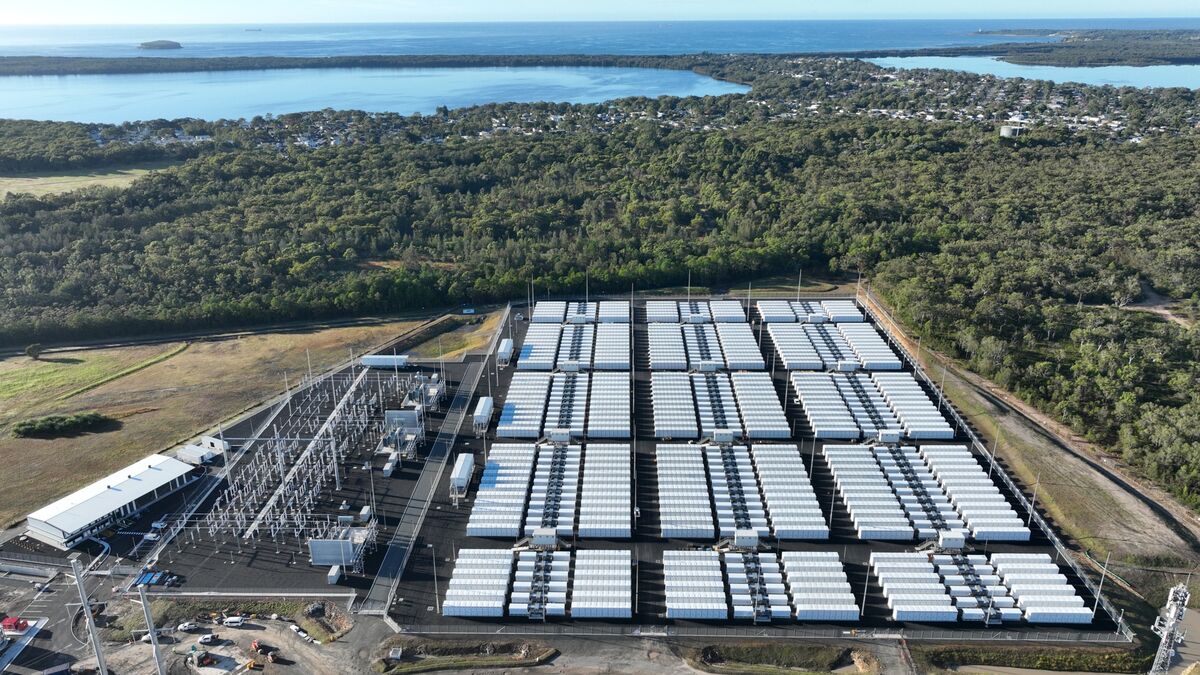
Australia is emerging as a leading battery market, with large-scale installations already reshaping evening peak power supply. In New South Wales, batteries briefly delivered more power to the main grid than gas-fired plants after part of the Waratah Super Battery came online, with full operation slated for 2026. The piece highlights batteries as a growing alternative amid higher fossil fuel costs and rising data center demand.
The key second-order effect is that utility-scale batteries are no longer just a renewable backstop; they are beginning to displace gas peakers at the marginal hour, which is where the economics matter most. If that pattern persists, the first beneficiaries are grid equipment and inverter vendors, while the most exposed losers are merchant gas generation and LNG-linked power arbitrage businesses whose value proposition depends on scarcity pricing in the evening peak.
The market is likely underestimating how quickly battery penetration can flatten intraday volatility. Once batteries can reliably cover the 2-4 hour peak window, the spread between off-peak and peak power prices compresses, which reduces peaker margins and lowers the option value of flexible gas assets. That also matters for data-center buildouts: instead of simply driving more fossil demand, they may accelerate storage procurement and behind-the-meter resilience spending, benefiting manufacturers with scale and supply-chain control.
The main risk to the thesis is not technology, but policy and interconnection timing. Battery economics can look excellent in a high-price, high-volatility environment, but returns compress if gas prices normalize, ancillary-service markets get crowded, or grid operators change dispatch rules to protect incumbent generation. The real catalyst window is 12-36 months, as projects move from partial commissioning to full-scale operational reliability and prove they can earn across arbitrage, capacity, and grid-stability revenue streams.
Contrarian view: the move into batteries may be more modest for equity investors than the headlines imply, because the value accrues across a long supply chain and much of the upside is already embedded in the obvious names. The more interesting edge is in identifying firms with bottlenecks in grid software, HV equipment, and thermal management rather than chasing pure-play battery producers with commoditizing margins. If storage scales as expected, the hidden loser is not just gas generation but any power marketer relying on sustained evening scarcity.
AI-powered research, real-time alerts, and portfolio analytics for institutional investors.
Request DemoOverall Sentiment
mildly positive
Sentiment Score
0.20
