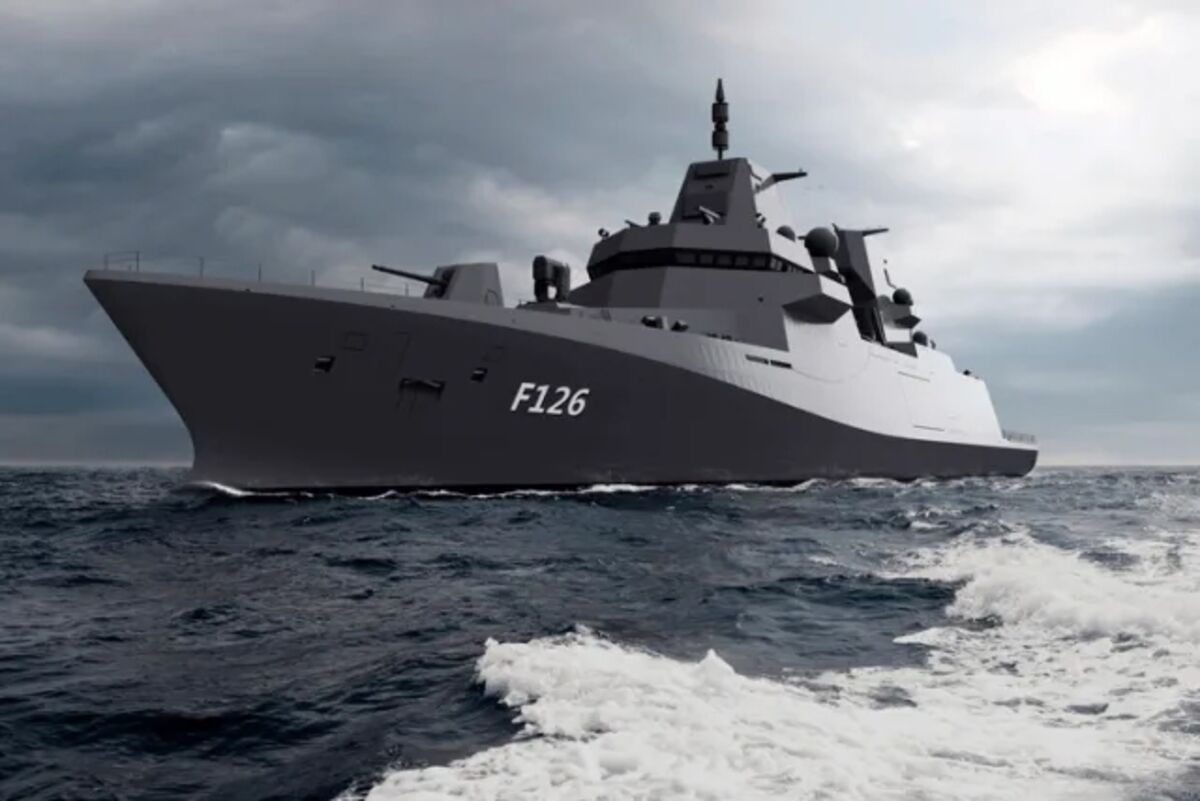
Germany is reportedly shelving the planned purchase of six F126 anti-submarine frigates, aborting what would have been the largest procurement program in the history of the navy. Defense Minister Boris Pistorius instead plans to buy eight smaller Meko-200 frigates from TKMS. The shift reflects procurement delays and is modestly negative for the original F126 program and related contractors.
The immediate market read is not just “one ship gets replaced by another,” but a credibility reset for German defense procurement. Abandoning a flagship program after years of delay should widen the gap between budget authorization and cash actually reaching primes, which is negative for the broader European naval modernization theme because it suggests execution risk can overwhelm headline spending. The second-order winner is any contractor with a more modular, lower-complexity product line and faster delivery cadence; the loser is the bespoke-platform model that ties up capital, yard capacity, and political patience.
For the supply chain, this likely shifts spend toward systems with shorter lead times, local content, and easier integration rather than best-in-class specs. That benefits domestic industrial capacity and vendors exposed to combat systems, electronics, propulsion, and maintenance services more than pure newbuild exposure. It also implies a re-prioritization of budget: if Germany is forced to downshift from a high-spec platform to a smaller frigate, procurement dollars may be spread across more hulls, sustainment, and munitions rather than concentrated in a single marquee program.
The key risk window is months, not days: the political optics are immediate, but the earnings impact for public-defense names depends on whether contract timing slips or merely re-bundles. A reversal would require a credible delivery recovery plan plus parliamentary buy-in; absent that, this is a warning that European defense capex can be delayed even in a high-threat geopolitical backdrop. The contrarian takeaway is that the move may be less bearish for German defense than it looks, because simplification can improve execution and raise the probability of near-term awards, even if lifetime margin per unit is lower.
AI-powered research, real-time alerts, and portfolio analytics for institutional investors.
Request DemoOverall Sentiment
mildly negative
Sentiment Score
-0.20
