
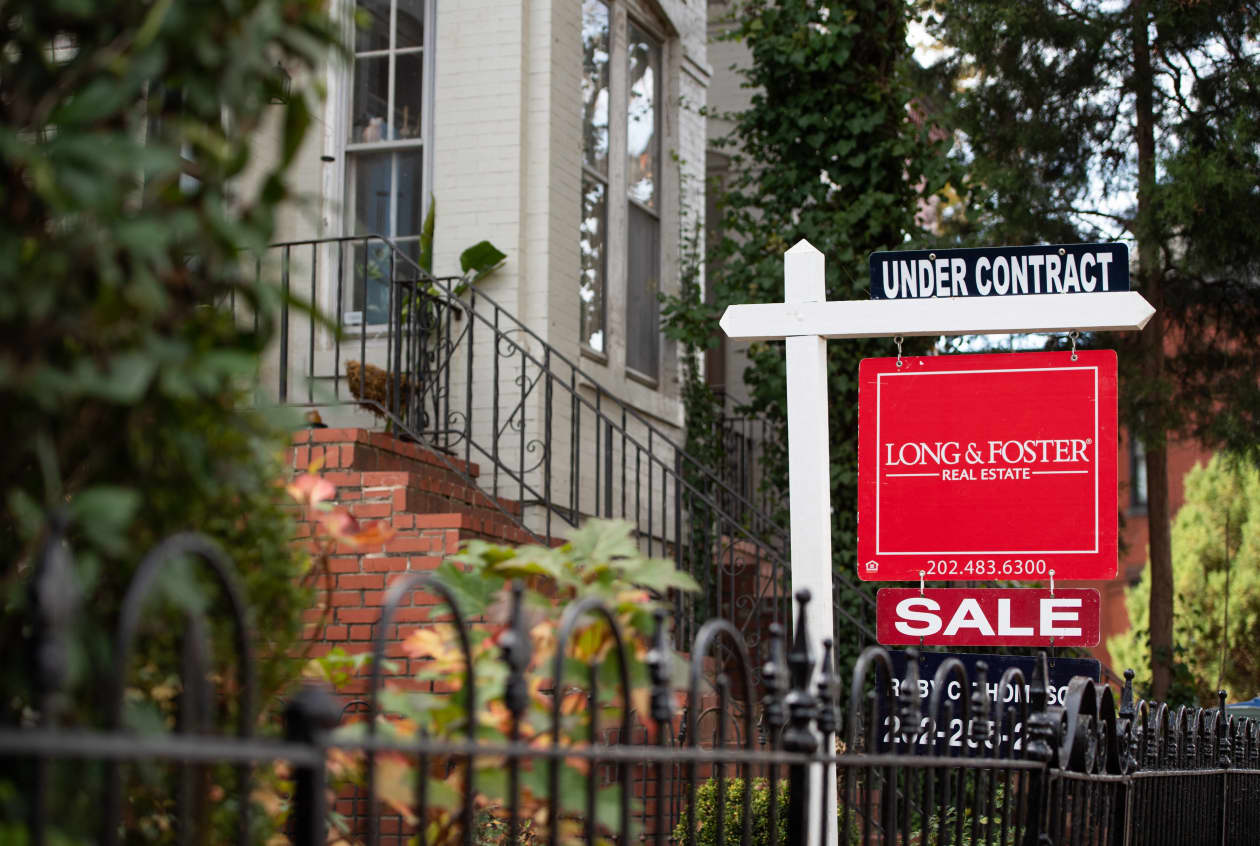
Freddie Mac data shows the 30-year fixed mortgage rate rose 6 bps to 6.55%, the highest level since late August 2025 (about 11 months). The move increases borrowing costs and is another headwind for the housing market.
The market impact is less about the one-day move in mortgage rates and more about whether this becomes a sustained affordability shock into the spring selling season. If 30-year rates hold above the mid-6% range for several weeks, purchase applications should roll over with a lag, hitting order growth first for builders and then revenue recognition 1-2 quarters later. The most rate-sensitive names are the levered land-bank and entry-level exposure stories: DHI, LEN, PHM, and the ITB/XHB baskets.
Second-order effects are more interesting than the obvious housing beta. Slower turnover hurts adjacent revenue pools at home-improvement retailers and building products, but the pain is asymmetric: new-home demand is elastic to monthly payment size, while repair/remodel spend is stickier. That makes HD/LOW relatively defensive versus builders, and also suggests mortgage originators/refi-dependent lenders remain structurally weak unless rates reverse quickly.
The contrarian view is that the housing tape may already be carrying a recessionary premium, so a single mortgage-rate print is not enough unless it propagates into weekly purchase-app data and builder traffic. If rates back off below ~6.25% or applications stabilize for two consecutive weeks, the downside thesis loses urgency. In a higher-for-longer scenario, rental housing can gain incremental tenant demand, but valuation support there is fragile because cap rates rise with the same rate shock.
AI-powered research, real-time alerts, and portfolio analytics for institutional investors.
Request TrialOverall Sentiment
mildly negative
Sentiment Score
-0.25
Ticker Sentiment
