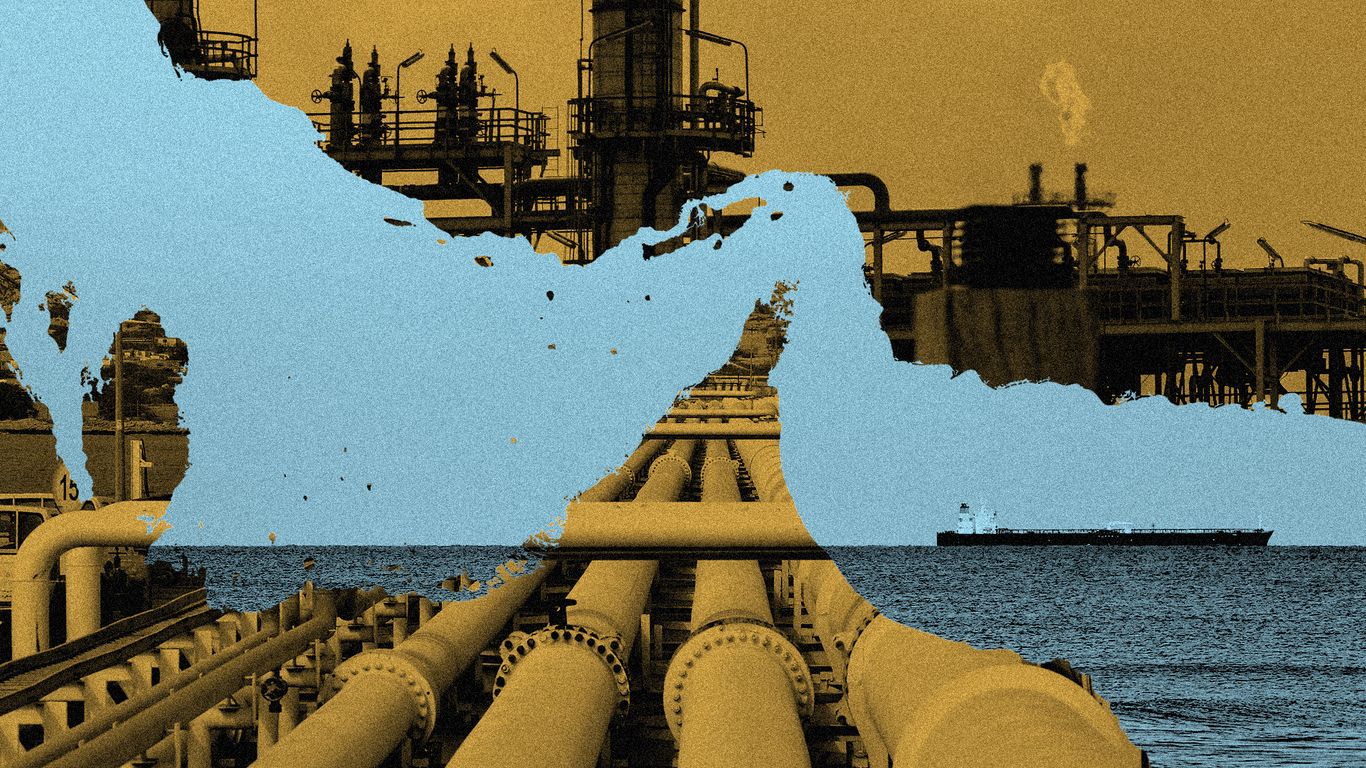
The IMF cut its 2026 global growth outlook to 3.1% from 3.4% and lifted inflation to 4.4%, warning the Iran war and energy shock are already slowing global momentum. Under its adverse and severe scenarios, 2026 growth falls to 2.5% and 2.0%, while inflation rises to 5.4% and 6.1%, respectively. The IMF flagged further attacks on energy infrastructure and a prolonged Strait of Hormuz shutdown as major upside risks to prices and downside risks to growth.
This is less a one-off shock than a margin-compression event for the real economy: energy is the input that transmits into food, transport, chemicals, and ultimately wage bargaining. The first-order winner is upstream energy exposure with limited geopolitical sensitivity; the second-order winners are firms with pricing power and low absolute energy intensity, while the losers are discretionary, transport, industrials, and EM importers with weak external balances. The key setup is that even if headline growth holds up for a few months, earnings revisions will lag inflation by 1-2 quarters, so equity markets may initially misprice the durability of margin pressure.
The biggest tail risk is not the average-case growth downgrade but policy error under an inflation shock. If central banks lean against a supply-driven inflation spike, real rates can tighten even as growth slows, creating a stagflationary regime that is historically hostile to long-duration equities and credit. That sets up a very asymmetric path: near-term energy and defense bids, followed by broader de-risking if shipping insurance, freight, and inventory financing costs remain elevated into the next earnings season.
The contrarian angle is that markets often overestimate how much of a geopolitical supply shock becomes permanent. If the disruption is contained, the inflation impulse may peak faster than consensus expects because demand destruction, inventory releases, and substitution effects kick in after roughly 6-12 weeks. The cleanest tell will be whether downstream margins deteriorate faster than spot energy rises; if they do, the market will likely rotate from "energy inflation" to "global demand scare," which favors defensive quality over outright commodity beta.
AI-powered research, real-time alerts, and portfolio analytics for institutional investors.
Overall Sentiment
strongly negative
Sentiment Score
-0.75
