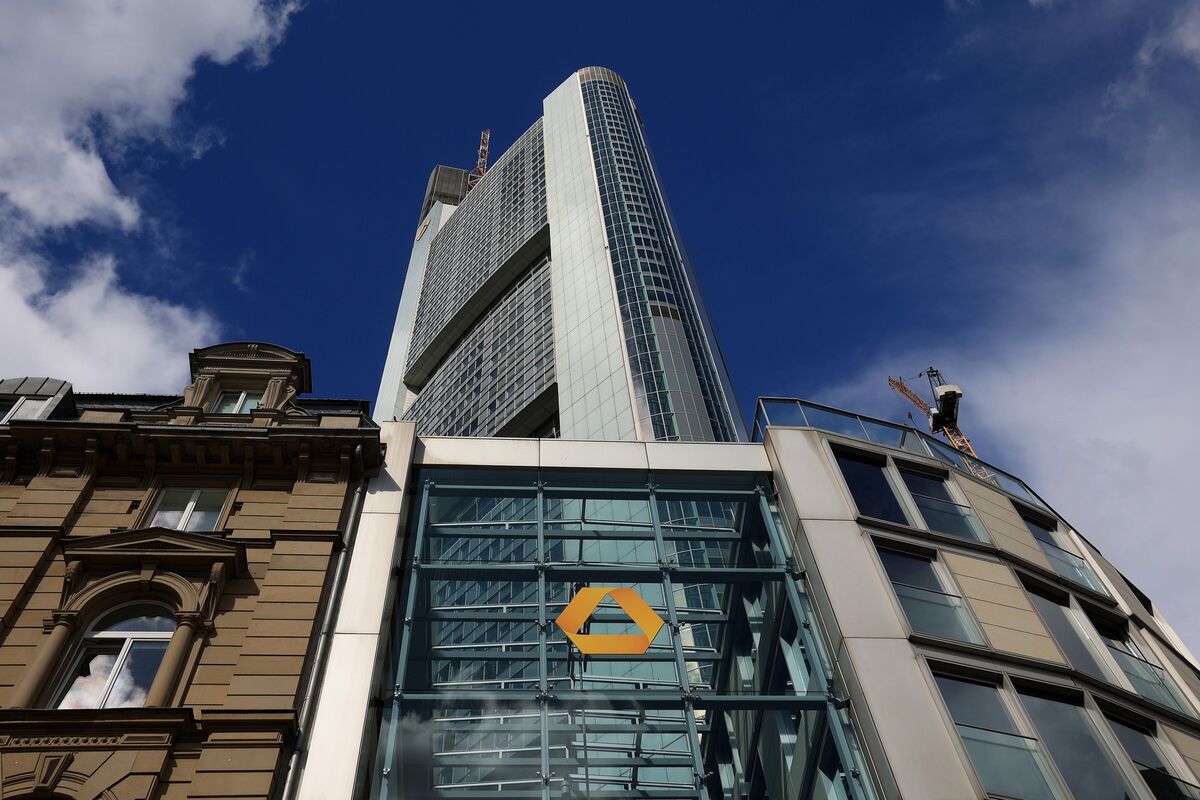
Commerzbank publicly mocked UniCredit’s ad campaign amid an escalating takeover battle that has lasted more than 19 months. The lender said UniCredit appears to misunderstand its business model, accusing the Italian bank of using a strategy presentation that highlighted markets where Commerzbank has no physical presence. The piece is primarily a competitive/strategic update with limited immediate market-moving information.
This is less about the content of the advertisement and more about the stage of the takeover. Once a bidder shifts from discreet diligence to public mockery, the probability distribution widens: either it is building shareholder pressure for a lower-friction path to control, or it is preparing to justify a more aggressive price while keeping the market psychologically anchored. In both cases, the target’s management gets a near-term sympathy bid from investors who dislike being negotiated against in public, while the bidder risks being framed as culturally tone-deaf, which can matter in regulated banking M&A where political vetoes often decide the outcome.
The key second-order effect is time compression. Prolonged campaigns tend to degrade bid credibility and increase execution risk through fatigue, employee attrition, and distraction from core lending and capital return plans. That usually benefits the target only if it can demonstrate standalone value quickly; otherwise the longer the stalemate persists, the more the market treats the situation as a source of option value rather than a clean takeout premium, compressing upside and keeping implied volatility elevated.
Contrarian angle: the market may be underestimating how often these public spats end in a more disciplined structure rather than a failed bid. In European banking, governance theater often masks a negotiation over price, governance rights, and political acceptability, so the noisy rhetoric can actually be a prelude to a better-defined proposal within weeks to months. The real tail risk is not just deal failure; it is a drawn-out campaign that leaves both franchises strategically impaired, with the target overhanging and the bidder paying an increasing reputational cost for each additional month.
AI-powered research, real-time alerts, and portfolio analytics for institutional investors.
Request DemoOverall Sentiment
neutral
Sentiment Score
-0.10
