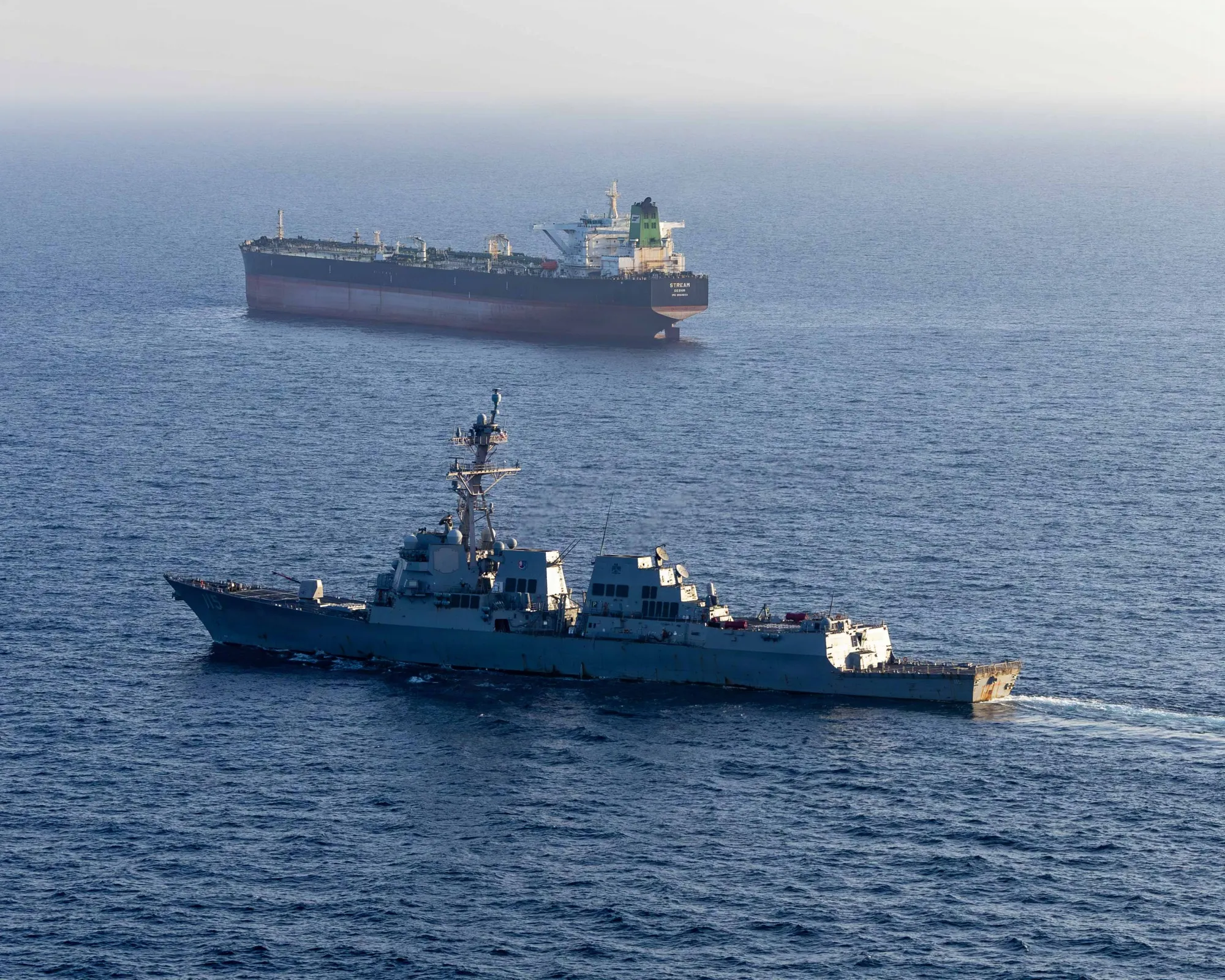
US forces counted nearly 1,000 commercial vessel transits through the Strait of Hormuz in the two months since the April 8 ceasefire with Iran, using military surveillance rather than ship transponders. The passage count is higher than private-sector estimates and suggests traffic through the key chokepoint has remained resilient. The report is geopolitically important for energy and shipping markets, but it does not describe an immediate disruption or price move.
The signal here is less about absolute traffic and more about market psychology: when a high-risk chokepoint keeps functioning, freight and energy risk premia tend to decay faster than fundamentals justify. That creates a short-term bearish setup for shipping insurance, tanker rates, and headline-driven crude spikes, but it also hides a medium-term vulnerability: volumes can look normal right up until a single incident forces carriers to reprice the route overnight. The key second-order effect is that “normal throughput” encourages complacency in inventory and routing decisions, leaving supply chains more levered to a shock than they appear.
The biggest beneficiaries are not obvious energy producers, but firms whose earnings are tied to lower volatility and lower disruption premiums: container lines, port operators, and select industrial shippers if insurance and delay costs continue to bleed lower. Conversely, any re-escalation would hit Asia-exposed importers first because even a modest disruption can cascade through rerouting, higher bunker consumption, and working-capital drag. The market tends to underestimate how quickly a stable corridor can flip from benign to binding once a few large carriers decide to preemptively avoid it.
Contrarian view: the calm itself is the risk. A sustained period of safe transits lowers perceived tail risk, which can suppress option-implied volatility and invite short-vol positioning across crude and freight. That sets up asymmetric upside in energy and marine-related volatility if the ceasefire regime proves fragile over the next 1-3 months. The cleanest read-through is not directional oil strength today, but a cheap hedge against a discontinuous repricing later.
AI-powered research, real-time alerts, and portfolio analytics for institutional investors.
Request DemoOverall Sentiment
neutral
Sentiment Score
0.00
