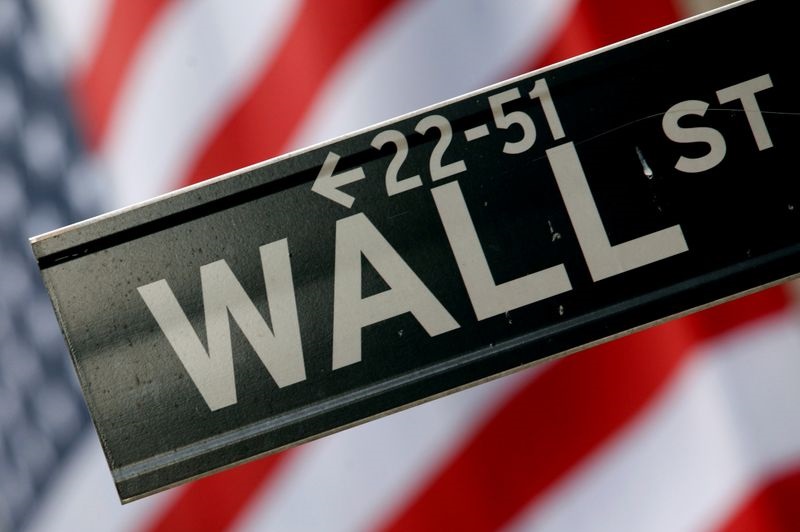
U.S. equities were mixed: the Dow rose 1.73% to a record close, the S&P 500 gained 0.41%, and the Nasdaq slipped 0.09% as Broadcom fell 12.56% and some healthcare/financial names rallied. The VIX declined 4.17% to 15.39, while gold rose 0.83% to $4,504.12 and crude oil dropped 3.11% to $93.03, highlighting a rotation in risk and commodities. Breadth was positive on both major exchanges, with advancing shares outnumbering decliners by 1,900 to 817 on the NYSE and 2,226 to 1,187 on the Nasdaq.
This tape is signaling a classic late-cycle factor rotation, not broad risk-on: defensives and financials are getting bid while high-duration tech is being de-rated on single-name idiosyncratic risk. That matters because breadth is improving even as the index-level tech complex weakens, which tends to support the Dow and value/quality baskets for days to weeks if rates stay sticky and volatility remains subdued. The sharp drop in implied volatility reinforces the idea that systematic strategies may keep selling downside protection into the move, mechanically favoring crowded defensives and carry trades in the near term.
The bigger second-order effect is that Broadcom/Micron weakness can spill over into the semiconductor supply chain even if the catalyst is company-specific. If investors start treating AI capex beneficiaries as “good news already priced,” the next leg of multiple compression will hit equipment, foundry, and memory exposure before it reaches the megacap platforms. That creates a cleaner relative-value setup: long cash-generative financials/healthcare versus short semiconductor beta, rather than fighting the overall tape direction.
Healthcare strength looks more durable than a one-day squeeze because it is being rewarded for recession-hedge characteristics at a time when oil is falling and volatility is collapsing. That combination is usually supportive for managed-care and select services names over the next 1-3 months, but the move is less attractive if Treasury yields back up sharply or if regulatory headlines re-emerge. The most contrarian takeaway is that the market may be underestimating how quickly the “AI winners” narrative can become a source of forced de-risking once momentum breaks, especially in names with extended ownership and crowded growth exposure.
AI-powered research, real-time alerts, and portfolio analytics for institutional investors.
Request DemoOverall Sentiment
neutral
Sentiment Score
0.05
Ticker Sentiment
