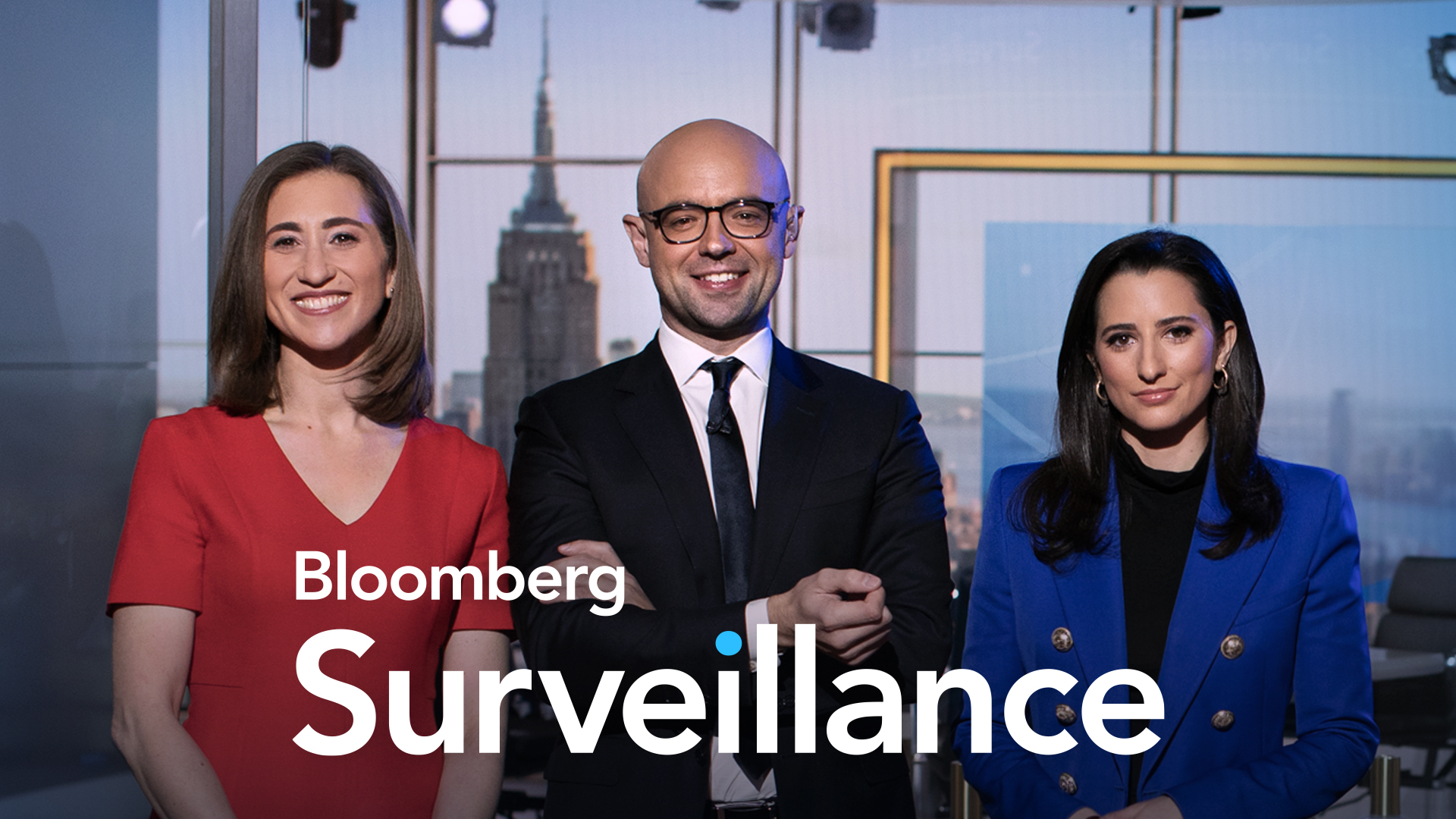
Bloomberg Surveillance reported the Federal Reserve held interest rates steady on July 30, 2025. The broadcast further included commentary on the Fed's policy outlook from analysts like Pandit and Esther George, while also highlighting new trade surprises initiated by the Trump administration ahead of a tariff deadline.
The financial landscape is currently defined by a duality of stable monetary policy and renewed geopolitical uncertainty. The Federal Reserve's decision on July 30, 2025, to hold interest rates steady provides a near-term anchor for markets. However, commentary from figures like Esther George, highlighting dissent as a normal part of the decision-making process, suggests the future path of policy is not monolithic and could be subject to internal debate. This monetary stability is directly contrasted by escalating trade tensions, with the Trump administration reportedly initiating 'trade surprises' ahead of a significant tariff deadline. This action introduces a volatile and unpredictable element into the global economic outlook, directly impacting supply chains and potentially inflation, which complicates the Fed's future decisions. The resulting 'mixed' sentiment and high market impact score accurately reflect an environment where a dovish or steady central bank is grappling with inflationary and disruptive pressures from trade policy, creating a complex and uncertain investment backdrop.
AI-powered research, real-time alerts, and portfolio analytics for institutional investors.
Request DemoOverall Sentiment
mixed
Sentiment Score
0.00
