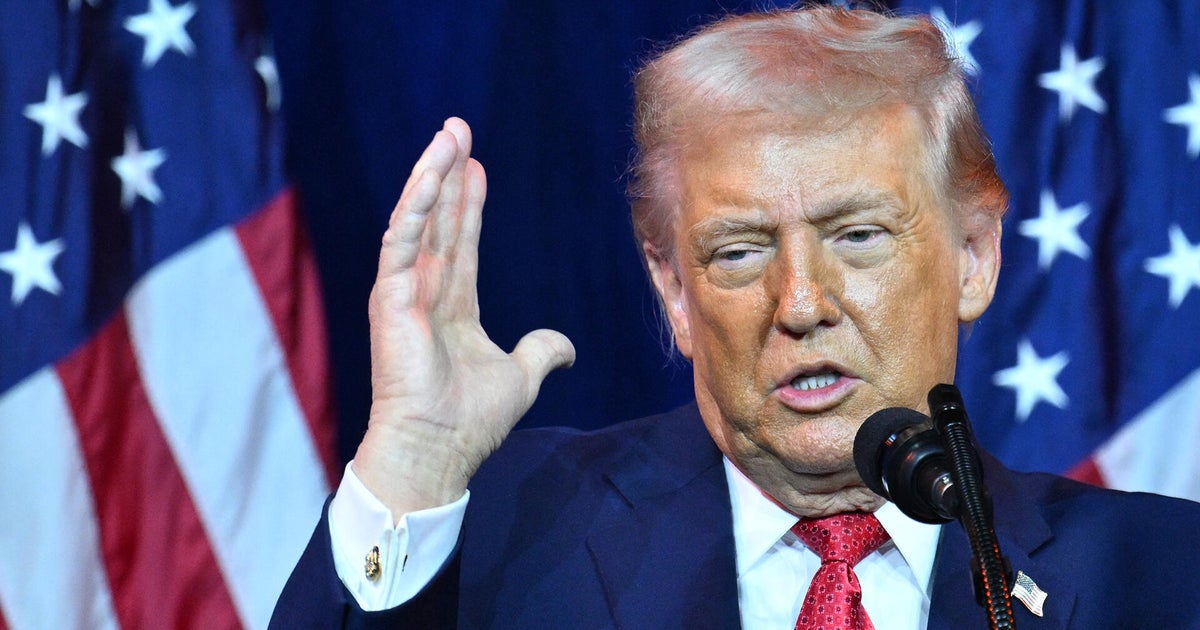
The Trump administration is pressing major oil companies (including Chevron, Exxon, Shell, Valero, Marathon and others) to re-enter Venezuela, hosting a White House meeting and touting an expected $100 billion rebuild of Venezuelan oil infrastructure while a U.S. delegation conducts exploratory diplomatic and logistical assessments about reopening the embassy in Caracas. The situation is highly politicized and unstable — U.S. forces have interdicted tankers linked to Venezuela, the Senate advanced a war powers resolution 52-47, and the administration signals it may extract Venezuelan oil while exerting prolonged oversight — creating substantial upside for energy investors if access is secured but significant legal, operational and geopolitical downside risk in the near term.
Market structure: Immediate winners are integrated majors with pre-existing Venezuelan footprints (Chevron/CVX) and oilfield services that can win reconstruction contracts (Halliburton/HAL); Trump’s $100bn pitch and a White House-CEO meeting creates optionality but not immediate barrels — realistic ramp-up is 12–36 months and will favor firms with heavy-crude processing access (Gulf Coast refiners) and trading houses (Vitol/Trafigura). Losers include producers/refiners lacking heavy-sour capability and insurers/owners of tankers (short-term spike in freight/insurance costs); nationalization/legal risk keeps pricing power and margins volatile. Risk assessment: Tail risks include prolonged US occupation or a Venezuelan insurgency (10–25% chance over 12 months) and reimposition of broad sanctions or asset seizures (20–30% chance if Congress or courts intervene). Near-term (days–weeks) risks are market-moving headlines (seizure of tankers, War Powers votes); medium (3–12 months) is contract awards and sanctions/legal rulings; long-term (1–3 years) is actual incremental Venezuelan supply entering global markets. Hidden dependencies: Gulf Coast refinery turnarounds, shipping insurance availability, and local security costs could add 30–50% to capex estimates vs headlines. Trade implications: Tactical overweight integrated majors and select oilfield services: CVX and HAL show asymmetric upside if re-entry occurs; prefer 6–12 month option-levered exposures rather than large outright E&P positions. Use pair trades to express differentiated access: long CVX vs short Conoco (COP) or smaller independents that lack Venezuelan upside; size trades to 1–3% of portfolio and cap tail risk with defined-loss structures. Monitor Brent moves — a $10+/bbl drop within 12 months would compress prices and hurt high-cost producers; hedge with short Brent futures or buy puts if position net long oil. Contrarian angles: Consensus assumes fast rebuild and quick production — history (Iraq, Libya) suggests 18–36 months to meaningful flow; markets may underprice capex/time. Re-entry could be underdone: if only Chevron scales initially, CVX could capture outsized cashflows; conversely, legal/reputational constraints could limit other majors, creating idiosyncratic winners. Unintended consequence: tanker seizures and higher insurance could make shipping Venezuelan heavy crude uneconomic to distant refiners, muting supply benefit and keeping prices higher than pundits expect.
AI-powered research, real-time alerts, and portfolio analytics for institutional investors.
Request DemoOverall Sentiment
moderately negative
Sentiment Score
-0.35
Ticker Sentiment
