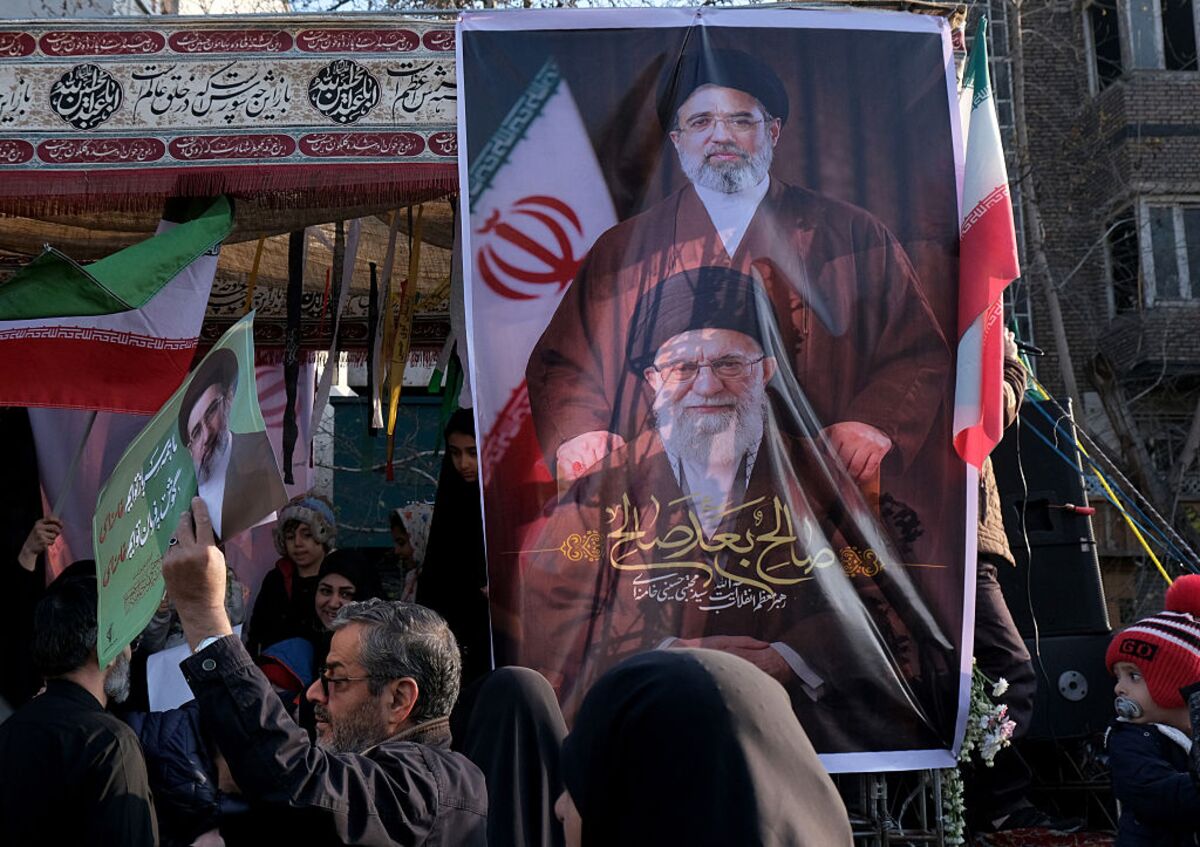
The likely appointment of Mojtaba Khamenei as Iran’s supreme leader is now viewed as effectively inevitable, a process the columnist says was accelerated by Donald Trump’s public rejection. The piece argues Trump’s misreading of Tehran raises geopolitical risk and could threaten the global economy, prompting a risk-off tilt for investors and the potential for broad market disruption.
This succession dynamic in Tehran raises the likelihood of protracted, asymmetric pressure campaigns rather than a single short shock. Expect higher-frequency proxy incidents (ships harassed, cyber intrusions, targeted strikes on regional infrastructure) that cumulatively raise insurance, logistics and risk-premia costs across energy and shipping for months-to-years rather than days. The immediate market response will be classic two-stage: a flight-to-safety push (gold and sovereign bonds) in days-weeks followed by a slower inflationary leg if energy disruption persists, which pressures real rates and spreads over 3-12 months.
Sanctions and export-control escalation is the high-probability policy lever, and that has second-order winners and losers that markets underprice. Companies and nodes with single-source supply from the Gulf or reliance on Middle East-flagged shipping will face outsized operational rerouting costs (longer voyages, higher bunker and insurance), compressing margins by low-single-digit percent for exposed commodity processors and regional distributors over several quarters. Conversely, defense contractors, specialized maritime insurers/reinsurers and non-Middle-East LNG/energy suppliers stand to capture persistent incremental revenue as firms pay to de-risk supply chains.
Consensus positioning looks risk-off but shallow: volatility in energy and geopolitically-sensitive credits tends to be front-loaded. The more interesting asymmetric opportunities are time-structured hedges — short-term protection paired with mid-term directional exposures — rather than naked directional bets. Monitor three near-term catalysts that will materially change the path: a major tanker strike or SLOC closure (days-weeks), coordinated new secondary sanctions (4-12 weeks), and credible diplomatic de-escalation or backchannel talks (3-9 months). Each would flip the trade payoff curve distinctly.
AI-powered research, real-time alerts, and portfolio analytics for institutional investors.
Request DemoOverall Sentiment
moderately negative
Sentiment Score
-0.40
