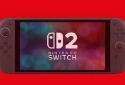
Nintendo Switch 2 led global hardware sales in April 2026 with 877,493 units, bringing lifetime sales to 19.61 million, while PS5 sold 435,713 units and reached 91.95 million lifetime units. PS5 sales were down 41.7% year over year, Xbox Series X|S fell 53.6%, and Switch 1 declined 47.6%, indicating broadening weakness across legacy consoles. The article is primarily an estimate-based monthly hardware update with limited immediate market impact.
Nintendo is now the only hardware platform with a credible unit-growth flywheel, and that matters more for earnings quality than the headline unit lead. A rapidly scaling installed base tends to pull through higher attach rates in software, first-party content, accessories, and digital store economics, while the incumbents are increasingly trapped in low-growth replacement cycles where pricing actions are doing more of the work than unit demand. For Sony and Microsoft, this is not just a console problem; it’s a monetization problem because each incremental hardware slowdown raises dependence on content, subscriptions, and margin-accretive add-ons to defend the ecosystem.
The more important second-order effect is that weak console throughput can feed back into software exclusivity economics. If a platform misses a strong hardware cohort into the next major content cycle, it can lose disproportionate share in the highest-value period of the generation, when bundled content, network spending, and accessory attach are most profitable. That increases the risk that the market is underestimating how much future software and services growth is now being asked to do for Sony, while Microsoft’s hardware relevance continues to erode into a strategic optionality issue rather than a standalone profit center.
Near term, the cleanest catalyst is pricing: any further price increase or unfavorable FX pass-through would likely deepen demand elasticity on both Sony and Microsoft, whereas Nintendo still has pricing power because it is expanding share from a better growth runway. The contrarian point is that the market may be overreading one month’s weakness as a linear trend for PS5; the bigger issue is not absolute console demand, but whether the next software cycle can compensate before replacement demand rolls over. For Microsoft, the tail risk is that hardware becomes structurally subscale sooner than consensus expects, which would shift valuation toward a lower-multiple subscription/software mix and reduce any optionality from a rebound in console sentiment.
AI-powered research, real-time alerts, and portfolio analytics for institutional investors.
Request DemoOverall Sentiment
neutral
Sentiment Score
-0.08
Ticker Sentiment
