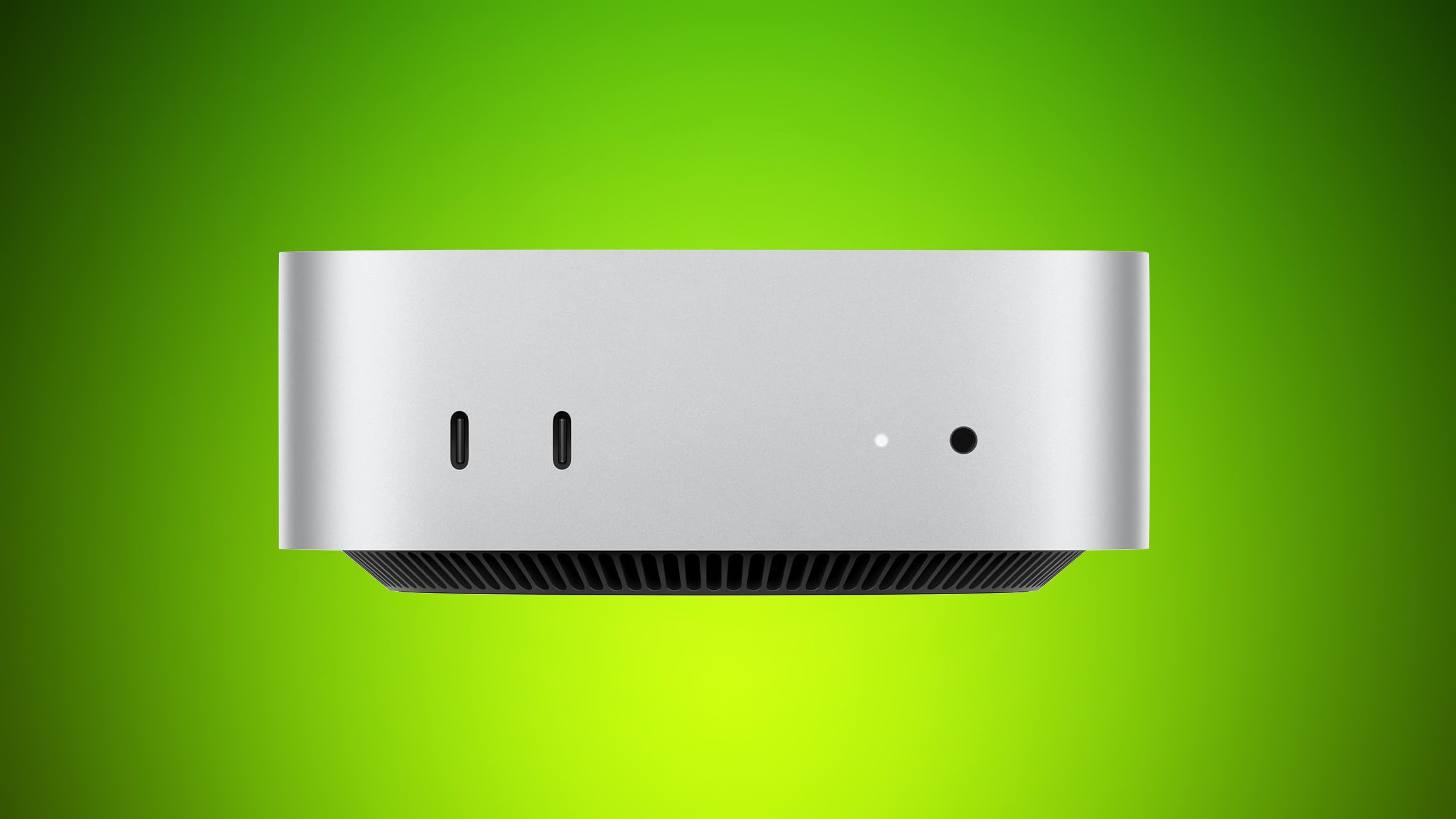
Apple has removed higher-RAM Mac mini and Mac Studio configurations amid a global memory shortage, including the 32GB/64GB Mac mini options and the 256GB M3 Ultra Mac Studio. Delivery estimates for the Mac Studio line are now 9 to 10 weeks, while the Mac mini's entry price has effectively risen from $599 to $799 after storage and RAM options were cut. Management says supply-demand balance may take several months as AI-related demand and higher memory costs pressure availability.
This reads less like a near-term revenue shock for Apple and more like a margin-protection and allocation problem: when a supply-constrained input becomes expensive, Apple will preferentially ration it into higher-ASP products and configurations. The second-order effect is that the company is implicitly ceding some upsell revenue in the Mac line to preserve launch velocity and avoid waiting for memory cost normalization, which should keep gross margin pressure contained but caps unit growth for several quarters.
The bigger strategic implication is that AI-adjacent PC demand is pulling memory away from consumer endpoints faster than Apple can reprice the product stack. That creates a temporary opening for competitors with more flexible BOMs and better memory sourcing, especially Windows OEMs with enterprise refresh cycles and workstation vendors that can still offer high-RAM SKUs. It also increases the odds that buyers who need local AI workloads delay Mac purchases rather than downgrade, which is negative for near-term Mac share but supportive of a later rebound once supply resets.
For AAPL, the market may be underestimating how long this can linger: if memory lead times stay tight through the next 1-2 quarters, Mac unit growth can remain constrained even if demand is healthy. The contrarian view is that this is not fundamentally demand destruction but a product-mix squeeze, so the earnings impact may be smaller than the headline suggests; however, if Apple is forced to keep lower-memory configs as the only available options, it risks normalizing lower average selling prices in a segment that had been benefiting from configuration-led margin expansion.
The catalyst to watch is memory pricing over the next 6-12 weeks: if AI server demand keeps DRAM/NAND prices elevated into the spring refresh window, Apple may need further SKU simplification or price increases, which would push the issue into the June quarter. A reversal would likely require evidence of supply easing or Apple securing preferential allocation, at which point the Mac backlog could convert quickly and become a modest positive surprise for the stock.
AI-powered research, real-time alerts, and portfolio analytics for institutional investors.
Request DemoOverall Sentiment
mildly negative
Sentiment Score
-0.25
Ticker Sentiment
