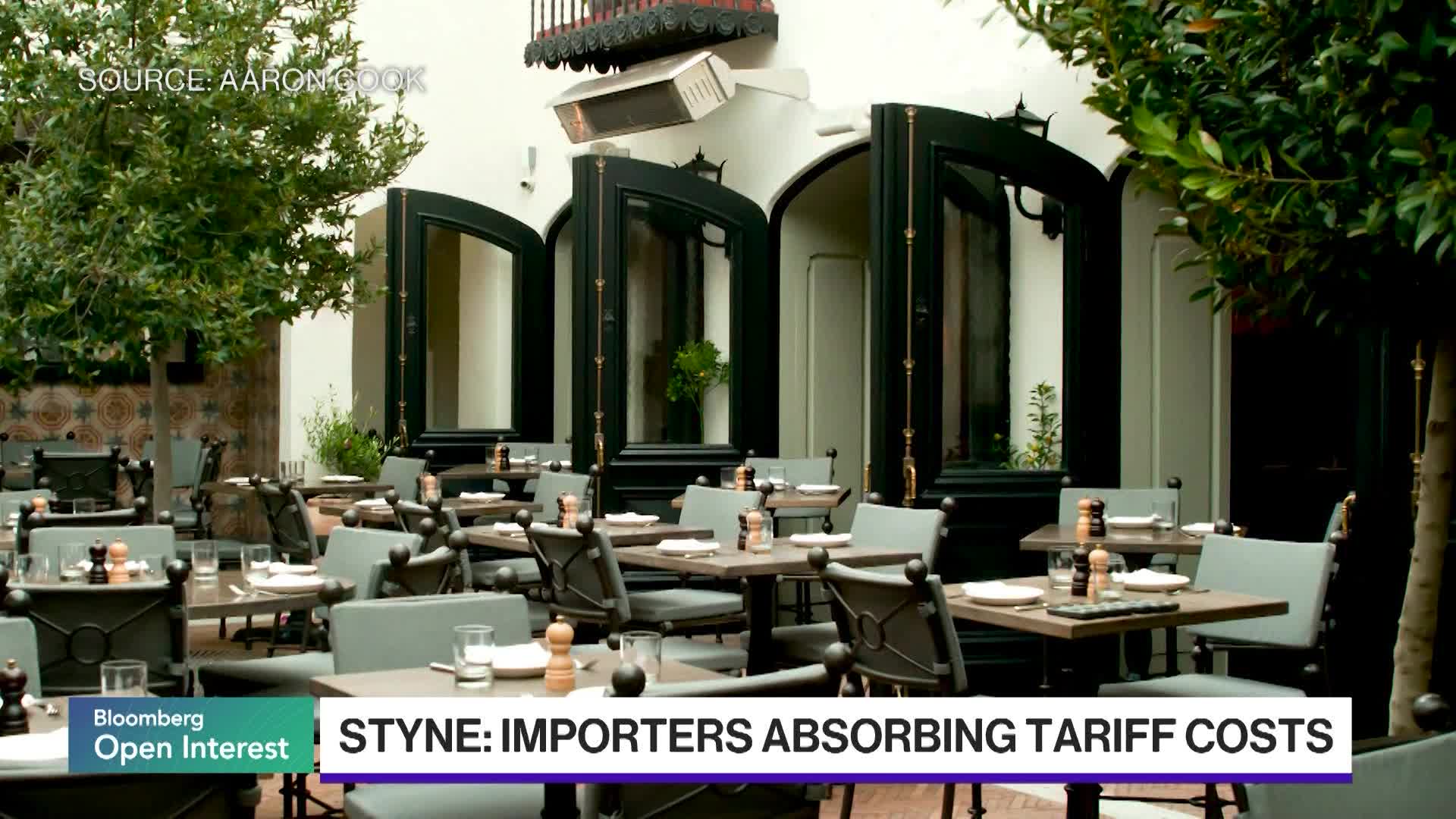
Independent restaurants face broad cost pressures—higher beef, poultry, produce and packaging prices, tariff-driven import cost increases, rising rents, utilities and labor—squeezing already thin margins and triggering closures. Operators report keeping consumer prices intentionally constrained (main courses roughly $20–$40) while adding a 6% surcharge to fund employee health care; alcohol sales are down ~20%, prompting shifts to higher-priced non‑alcoholic offerings. Tariff relief talks (e.g., with Brazil on coffee, beef, fruit, cocoa) have not materially eased input costs, and immigration crackdowns are tightening agricultural labor supply, all pointing to continued margin compression for restaurant operators.
Market structure: Inflation, tariffs and labour shortages systematically favor large, vertically integrated players (grocery chains, global packaged-foods) that can pass costs through and scale procurement; losers are independents and mid‑tier casual-dining chains where volume-driven margins (often <5% EBIT) collapse. Expect share gains for large chains (MCD, COST, PEP) and margin compression for CAKE/EAT-style operators; commodity inputs (beef, coffee, cocoa) rising implies higher food CPI and input volatility.
Risk assessment: Key tail risks — rapid tariff rollback (Brazil) that could cut coffee/beef costs by 10–25% within 30–90 days, or a demand shock/recession cutting dining frequency 10–20% over 6–12 months — will flip winners/losers quickly. Hidden dependency: service‑charge accounting to fund healthcare can mechanically reduce reported sales percentages and trigger lease rent resets, impacting restaurant‑heavy REITs; catalyst watchlist: monthly CPI (esp. food), Q4 restaurant same‑store sales and Brazilian tariff announcements.
Trade implications: Tactical trades favor defensive staples and grocery (establish 2–3% long in COST, 1–2% PEP/PEP) and short select casual dining (CAKE, EAT) sized 1–2% each; pair trade long MCD vs short CAKE over 6–12 months. Use options to control risk: buy 3‑6 month puts on CAKE/EAT (10–20% OTM) and consider covered calls on COST for income; reduce XLY exposure by 2–4% tilt toward XLP.
Contrarian angles: Consensus underestimates consolidation upside for national chains — closures among independents can transfer 5–10% share to chains within 12–24 months, a potential positive catalyst for MCD/CMG. Also non‑alcoholic premium beverages (KDP, PEP) are underpriced beneficiaries of a sustained ~20% decline in on‑premise alcohol spend; mispricing exists in small‑cap restaurant credit where spreads imply permanent demand loss rather than temporary cyclical pain.
AI-powered research, real-time alerts, and portfolio analytics for institutional investors.
Request DemoOverall Sentiment
strongly negative
Sentiment Score
-0.60
