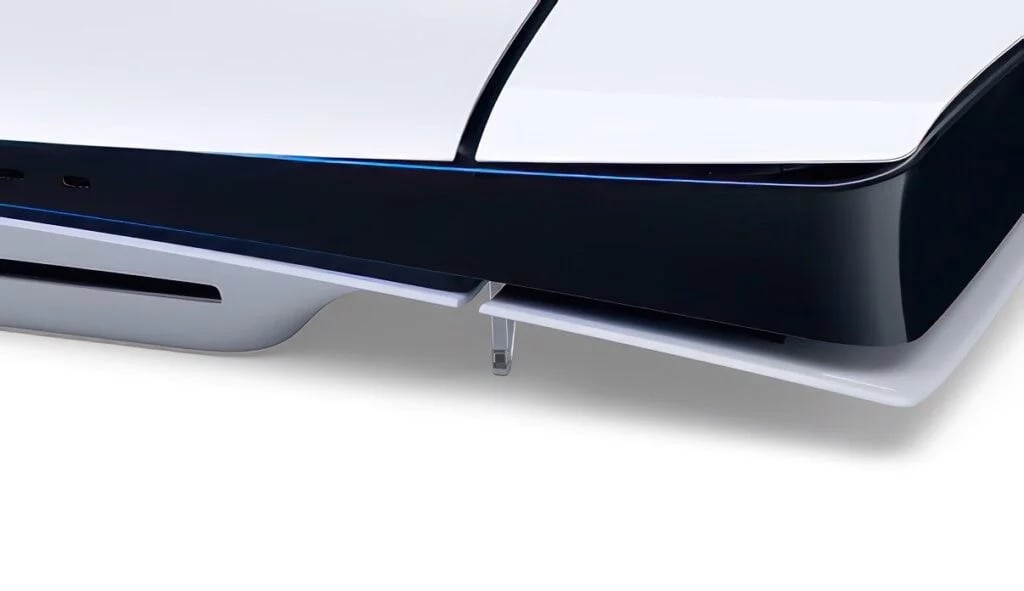
Sony is raising PS5 prices in South Korea and Southeast Asia starting May 1, with the Digital Edition in Korea up 43% from ₩598,000 to ₩858,000, the standard model up 27% to ₩948,000, and the PS5 Pro up 16% to ₩1.298 million. Singapore prices are also increasing, and other affected markets include Malaysia, Thailand, Indonesia, Vietnam and the Philippines. The move reflects continued global cost pressures and adds to earlier PS5 price hikes in the US, UK, Europe and Japan.
This is less a one-off pricing tweak than evidence that console makers are leaning on installed-base monetization as hardware growth stalls. That matters because a higher upfront price on a mature platform typically shifts demand mix toward higher-margin digital software, subscriptions, and accessories, but only if unit elasticity stays contained; in price-sensitive Southeast Asia and Korea, the risk is that the mix benefit is offset by slower console sell-through and a longer replacement cycle.
For SONY, the near-term read-through is mixed: gross margin support from hardware price hikes, but a likely volume drag at the margin in regions where consumer discretionary spend is under pressure and FX volatility is still working against imported electronics. The second-order effect is channel behavior: retailers may pull forward inventory before effective dates, then face a post-hike demand air pocket for 1-2 quarters, which can pressure promotional intensity and obscure the true demand trend.
MSFT is only indirectly exposed, but this reinforces a broader console-industry theme: when hardware becomes more expensive, ecosystem owners have more incentive to maximize engagement per installed device rather than expand the base. That is structurally favorable for Game Pass-like recurring models over the medium term, yet it also raises the bar for any future console refresh cycle because sticker shock can suppress upgrade adoption right when replacement demand should normally accelerate.
The contrarian view is that the market may be underestimating pricing power durability. If Sony can pass through multiple regional increases without a meaningful unit collapse, that signals console demand is more inelastic than historical PS4-era norms, and the right conclusion is not bearish hardware but bullish lifetime-value economics. The key catalyst over the next 1-3 months is sell-through data after the May 1 implementation; if inventories normalize without a sharp U.S.-style backlash effect, the stock can re-rate on improved hardware margin resilience.
AI-powered research, real-time alerts, and portfolio analytics for institutional investors.
Request DemoOverall Sentiment
mildly negative
Sentiment Score
-0.25
Ticker Sentiment
