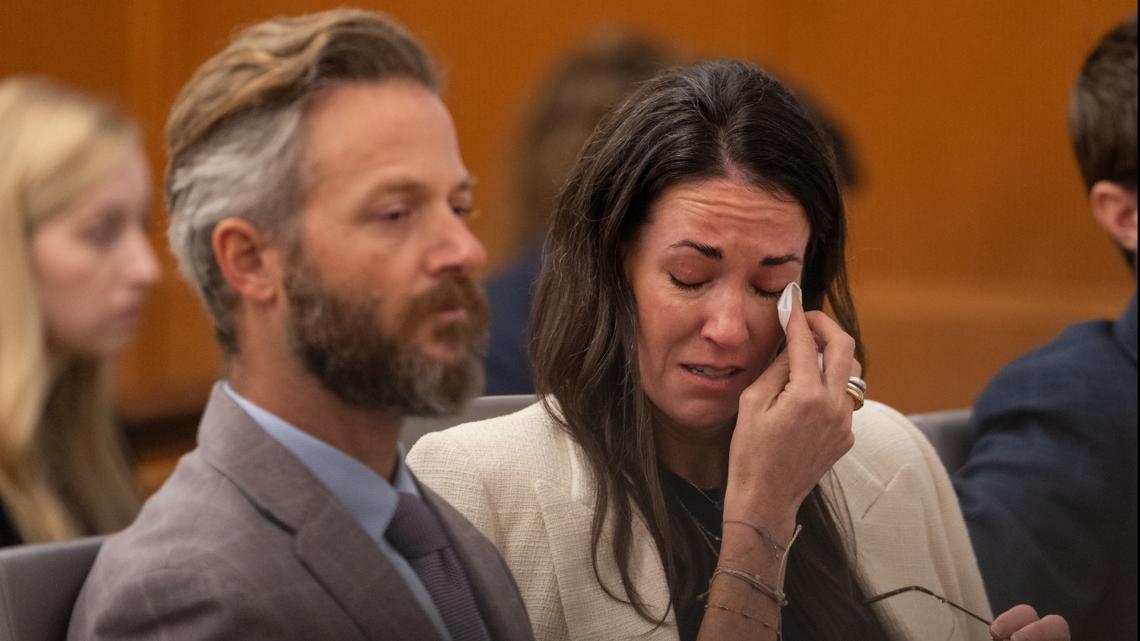
Testimony in the Camp Mystic litigation centers on the July 4, 2025 flash floods that killed 27 campers and counselors and left at least 135 dead across the Hill Country, with the final missing camper still unaccounted for. The judge has maintained restrictions preventing alterations to the Guadalupe River campus, while Camp Mystic is seeking license renewal for its separate Cypress Lake property and Texas regulators are investigating complaints of neglect. Texas lawmakers have already passed new flash-flood siren legislation in response to the tragedy.
This is a reputational and regulatory event with asymmetric consequences: the immediate economic loss is not just on the camp’s operating license, but on the broader premium youth-travel/leisure franchise model that depends on trust, insurability, and recurring enrollment. Even if Camp Mystic ultimately reopens in some form, the larger second-order effect is that insurers, lenders, and local camp operators will reprice flood, liability, and governance risk across the Hill Country and comparable destination-camp markets, raising compliance costs and depressing margins for years.
The key catalyst is not the courtroom itself but the administrative and political overlay. A license denial or a prolonged conditional review would be a near-term cash-flow shock, but the more durable impairment is a likely increase in mandatory safety capex, slower permit approvals, and higher general liability premiums for operators in flash-flood zones. That should also benefit vendors of sirens, sensors, emergency communications, and compliance software, as regulators effectively create a new baseline market for recurring safety infrastructure.
Consensus may be underestimating how quickly this becomes a precedent case. If the state treats this as a bellwether, every operator with legacy emergency plans becomes exposed to discovery, expert-witness, and litigation costs, and the trade shifts from a single camp to a whole category of outdoor hospitality assets with weak balance sheets. The contrarian risk is that public sympathy and local economic pressure push regulators toward a negotiated renewal, which would relieve the immediate downside but still leave a structural increase in operating costs and litigation overhang.
The cleanest medium-term setup is to fade names or vehicles tied to outdoor recreation, hospitality, or family leisure with meaningful exposure to weather-liability sensitivity, while looking for beneficiaries in safety/monitoring equipment. The timeframe matters: headline risk is days to weeks, but the valuation impact on private operators and adjacent service vendors is likely months to years as underwriting standards and regulatory expectations reset.
AI-powered research, real-time alerts, and portfolio analytics for institutional investors.
Request TrialOverall Sentiment
strongly negative
Sentiment Score
-0.82
