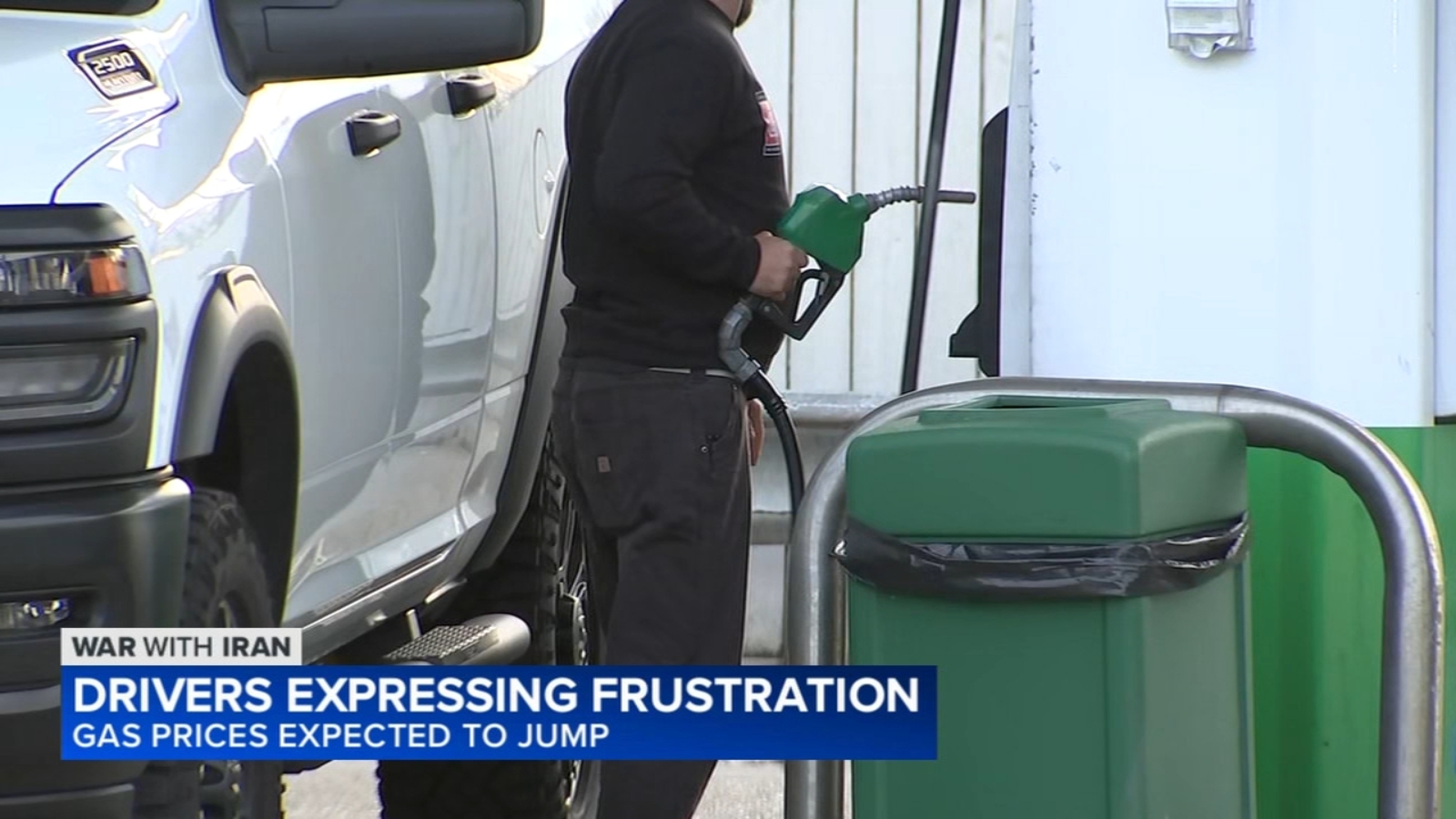
U.S. gas prices may not fall below $3 per gallon until next year, while Illinois averages $4.31 and Chicago is about $4.46, as oil futures rise on Strait of Hormuz-related uncertainty. GasBuddy says the national average is near $3.99 and could see notable jumps over the next two days if oil prices keep climbing. The article points to continued pressure on consumers and a near-term risk of higher energy costs across the board.
The near-term winner is upstream energy, but the cleaner expression is not just crude beta — it is the volatility surface. A geopolitical supply shock that tightens pump prices before summer driving season tends to support front-month crude, gasoline cracks, and energy equities simultaneously, but with the best risk-adjusted payoff often in refined-product exposure because retail pricing usually lags feedstock moves by days to weeks. That creates a window where refiners and product marketers can briefly widen margins before demand elasticity shows up.
The second-order loser is discretionary consumption, especially lower-income households and suburban commuters that cannot absorb a sustained $4+ gallon regime without cutting trips or rotating spending out of retail, dining, and apparel. Historically, the first behavioral response is not a collapse in miles driven but a mix shift: shorter trips, lower basket size, and delayed big-ticket purchases. That makes the macro transmission slower than the headline suggests, but more durable if prices stay elevated for several months.
The market is likely underpricing policy reversal risk. If the geopolitical shock eases, the move can mean-revert quickly because gasoline prices are one of the most visible inflation inputs and political pressure to stabilize them rises fast. Conversely, if the conflict persists into the next 4-8 weeks, the risk is not just higher oil but a feedback loop into inflation expectations that could keep rate-cut odds compressed and pressure cyclicals outside energy.
Contrarian view: the consensus is treating this as a pure cost-push inflation story, but the bigger medium-term effect may be demand destruction at the margin. If consumers start self-rationing now, the market could see a temporary spike in crude followed by a sharper-than-expected pullback once implied demand softens, especially if refinery utilization or driving activity rolls over. That argues for owning optionality rather than chasing outright futures after a one-way move.
AI-powered research, real-time alerts, and portfolio analytics for institutional investors.
Request DemoOverall Sentiment
moderately negative
Sentiment Score
-0.35
