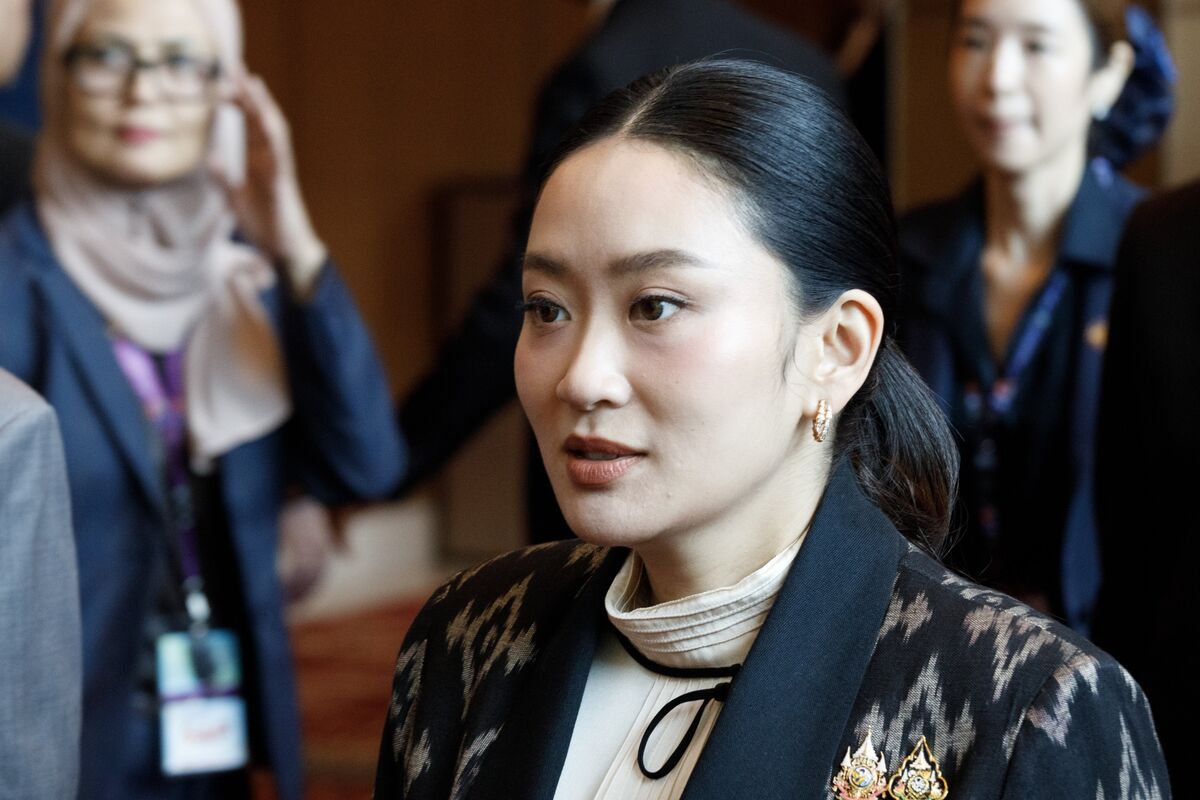
The Thai government, led by Prime Minister Paetongtarn Shinawatra, faces a critical test as internal disputes between the ruling coalition's two largest parties jeopardize the passage of a $113 billion national budget. The conservative Bhumjaithai party's dissatisfaction with Shinawatra's Pheu Thai party raises concerns about the stability of the government and its ability to execute its fiscal agenda.
The less-than-one-year-old Thai government, led by Prime Minister Paetongtarn Shinawatra, faces a significant test of its stability due to escalating feuds between the two largest parties in its ruling coalition, Pheu Thai and Bhumjaithai, which are threatening the passage of the $113 billion national budget. The conservative Bhumjaithai party's pivotal role in approving the spending plan, despite the coalition commanding a nearly two-thirds majority in the legislature, highlights the fragility of the alliance and raises concerns about the government's ability to implement its fiscal agenda. This internal strife introduces considerable uncertainty, reflected in a moderately negative sentiment score (-0.55) and an uncertain tone, suggesting potential market repercussions and a challenging period for policy execution. The situation underscores the inherent political risks associated with coalition governments, particularly in their early stages, and the direct impact such instability can have on critical fiscal measures.
AI-powered research, real-time alerts, and portfolio analytics for institutional investors.
Request DemoOverall Sentiment
moderately negative
Sentiment Score
-0.55
