
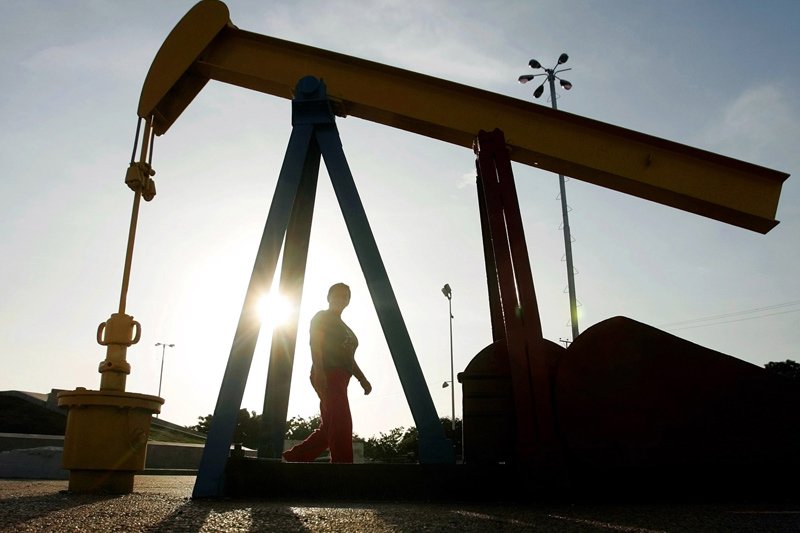
The RBA said it is not confident rates are yet at the right level to bring inflation back to 2% to 3%, with headline inflation at 3.7% in February and expected to rise to around 5% in Q2 due to sharply higher fuel costs. Andrew Hauser warned the Iran war is a new shock that must be monitored carefully, as global oil and gas prices have already surged on disrupted supply. The article underscores a hawkish, risk-off backdrop for rates and energy markets.
The immediate read-through is not just higher headline inflation, but a more persistent policy-error risk for central banks already near the margin of restrictive territory. Energy shocks hit real incomes fast, but the second-order effect is slower disinflation in services: if households and firms re-anchor around a higher fuel band, wage bargaining and transport-sensitive input costs can keep core sticky for 2-3 quarters even after crude retraces. That makes front-end rates vulnerable to a “higher for longer” repricing, especially in economies where growth was already decelerating before the shock.
For equities, the first beneficiaries are upstream energy and energy-heavy inflation hedges, but the cleaner relative value is in sectors with pricing power versus those with poor pass-through. Airlines, parcel/logistics, chemicals, and discretionary retail face a double hit: margin compression from fuel and weaker volume if central banks stay tight. The lag matters—shares often discount the commodity spike immediately, while earnings cuts show up one or two reporting cycles later, creating a tradable window to short the most fuel-intensive operators on rallies.
The contrarian point is that the market may be overpricing the durability of the oil bid if ceasefire/containment headlines improve. Geopolitical risk premia tend to collapse faster than physical supply recovers, so crude can mean-revert while rates remain biased hawkish because central banks will not “look through” a fresh inflation impulse. That asymmetry argues for expressing the view through rate and sector relative value rather than naked oil longs: the cleanest trade is on second-round inflation and margin damage, not on predicting the next headline in the conflict.
AI-powered research, real-time alerts, and portfolio analytics for institutional investors.
Overall Sentiment
mildly negative
Sentiment Score
-0.15
Ticker Sentiment
