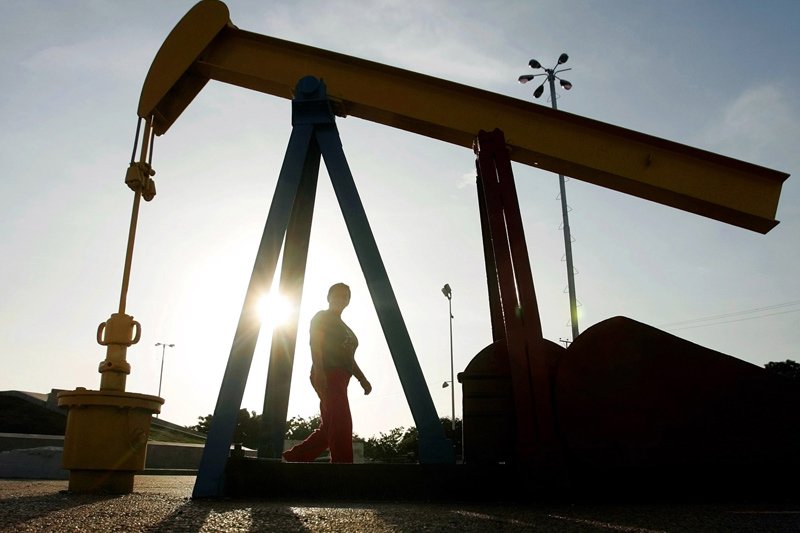
Oil prices topped $100/bbl after Putin warned oil production dependent on the Strait of Hormuz could halt within a month; the strait handles roughly 20% of global oil and LNG flows. He said regional storage is filling and output has begun to decline, warning of a global energy crisis while noting the price spike may be temporary. Russia signaled readiness to resume long-term energy cooperation with Europe but stressed it needs political signals; oil & gas account for ~25% of Russia's federal budget and sanctions have forced discounted sales to Asia.
Immediate commodity-market winners are those that capture spread widening and logistical friction rather than crude barrels per se: independent US E&P producers (highest marginal cash margin per incremental bbl), VLCC/crude-tanker owners who monetize rerouting, and marine insurers/reinsurers that can reprice war-risk in the near term. Refiners with heavy-crude capability also pick up relative margin as light/heavy price differentials widen; conversely, fuel-intensive sectors (airlines, trucking, container shipping) face 4–8% EBITDA compression per $10/bbl sustained move, visible inside 1–3 months.
Time horizon bifurcates cleanly: days–weeks dominated by insurance premiums, freight illiquidity and inventory swings (contango/backwardation dynamics can amplify storage trades); 3–12 months governed by supply response — US shale and non-Gulf exports can add ~0.7–1.5 mbpd if prices stay elevated, while political decisions (coordinated SPR releases, EU energy policy shifts) can swing markets quickly. Tail risks include protracted chokepoint closures or escalation that make rerouting permanent for quarters, and policy reversals where energy-importing governments relax sanctions or negotiate supply deals to stabilize markets.
Contrarian angle: current price moves price in sustained structural shortages; however, historical precedents show price peaks around the moment inventories max out and freight/insurance dysfunction forces buyers into alternative supply channels. That creates a high probability of mean reversion within 2–6 months unless on-the-ground military control changes — so trades should be asymmetric and time-boxed rather than buy-and-hold for longs with unlimited drawdown risk.
AI-powered research, real-time alerts, and portfolio analytics for institutional investors.
Request DemoOverall Sentiment
strongly negative
Sentiment Score
-0.60
