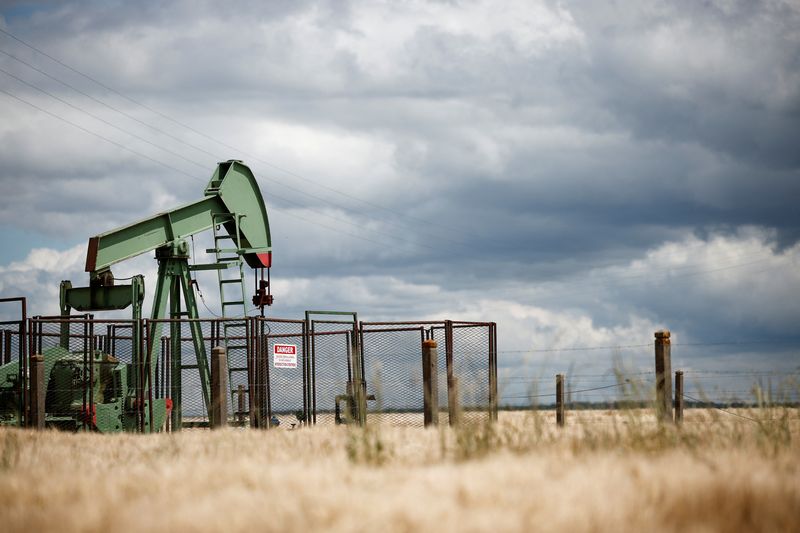
U.S. energy companies added 7 rigs to 558 in the week ending May 22, the fifth straight weekly increase and the highest total since June 2025. Oil rigs rose by 10 to 425, the biggest weekly gain since February 2023, while natural gas rigs fell by 3 to 125. Despite the recent uptick, the total rig count remains 1% below a year ago and is still down 7% in 2025 as producers prioritize shareholder returns and debt reduction over expansion amid softer oil prices.
The near-term read-through is less about the rig count itself and more about the signaling function: producers are testing the floor on activity while still keeping capital discipline intact. A sustained rebound in oil-directed rigs usually precedes a modest supply response with a lag of several months, so the first derivative effect is not an immediate glut but a higher probability that U.S. shale stops being the marginal source of downside support for prices into late summer and early fall.
The second-order beneficiary is not just BKR, but the broader services stack: pressure pumping, directional drilling, and frac sand names tend to see operating leverage before E&Ps do, because small changes in rig activity can tighten service pricing even when absolute activity is still well below prior-cycle peaks. If the increase persists for another 4-6 weeks, the market is likely to start pricing a better utilization backdrop for service contracts into 2H, which matters more for earnings revisions than the current rig level headline.
The contrarian risk is that this is a late-cycle false start driven by marginal capex reallocation rather than a true production expansion regime. If WTI stays range-bound or slips, shale operators can reverse rigs quickly; that means the supply impact is fragile over a 1-3 month horizon, while the equity signal to services could still be real over 6-12 months. In other words, the setup is more constructive for service names than for a broad bullish crude call, unless pricing breaks higher enough to force a durable step-up in drilling budgets.
AI-powered research, real-time alerts, and portfolio analytics for institutional investors.
Request DemoOverall Sentiment
neutral
Sentiment Score
0.05
Ticker Sentiment
