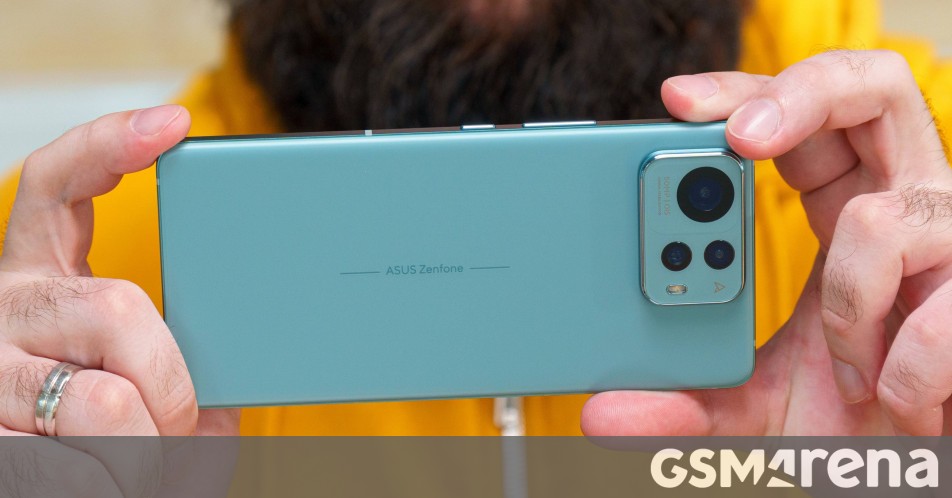
Asus confirmed it will cease launching new smartphones and reallocate R&D and resources toward commercial PCs and 'physical AI' products such as robotics and smart glasses, while continuing maintenance and warranty support for existing handsets. Chairman Jonney Shih reported TWD 738.91 billion ($23.4 billion) revenue for 2025, a 26% year‑over‑year increase, with the AI server business delivering 100% growth and surpassing internal targets; smartphone volumes have been weak (only two launches in 2025). The strategic shift signals management prioritizing higher‑growth AI/server opportunities over a struggling consumer handset segment, with potential implications for margins, capex allocation and product roadmaps.
Market structure: Asus exiting smartphones is positive for AI-server and commercial-PC suppliers and chipmakers capturing reallocated R&D capex. Expect incremental demand for datacenter GPUs/CPUs, memory and foundry services—benefiting NVDA, AMD, TSM and MU—with a plausible reallocation of 0.5–1% of Asus’ revenue cascade into server hardware over 12–24 months given its doubling AI-server business.
Risk assessment: Near-term market impact is negligible (days) but supplier revenue shifts materialize over 1–3 quarters as orders re-route; tail risks include a failed Asus pivot (wasted capex), a sharp AI demand slowdown (>10% QoQ GPU order cut), or China-Taiwan geopolitical shock that disrupts fabs. Hidden dependencies: smaller camera-module and RF suppliers (Largan, Sunny Optical) could see concentrated margin pressure even if aggregate smartphone volumes are broadly stable.
Trade implications: Tilt portfolios away from consumer-smartphone exposed small-cap suppliers and toward AI-infrastructure and foundry exposure. Use liquid large-caps (NVDA, AMD, TSM, MU) and select capital-equipment names (AMAT, LRCX) for asymmetric upside over 3–18 months; expect company guidance revisions as the primary catalyst—trade into 1–3Q earnings windows.
Contrarian angles: Market may underprice the upsides to ‘physical AI’ (robotics, smart glasses) where Asus reallocates R&D; smaller suppliers tied to Asus could become takeover/asset-sale targets, creating idiosyncratic value. Reaction is likely underdone for high-end GPU demand but overdone for phone-component names with diversified customers—look for 15–30% relative mispricings versus peers within 6–12 months.
AI-powered research, real-time alerts, and portfolio analytics for institutional investors.
Request DemoOverall Sentiment
mildly positive
Sentiment Score
0.28
