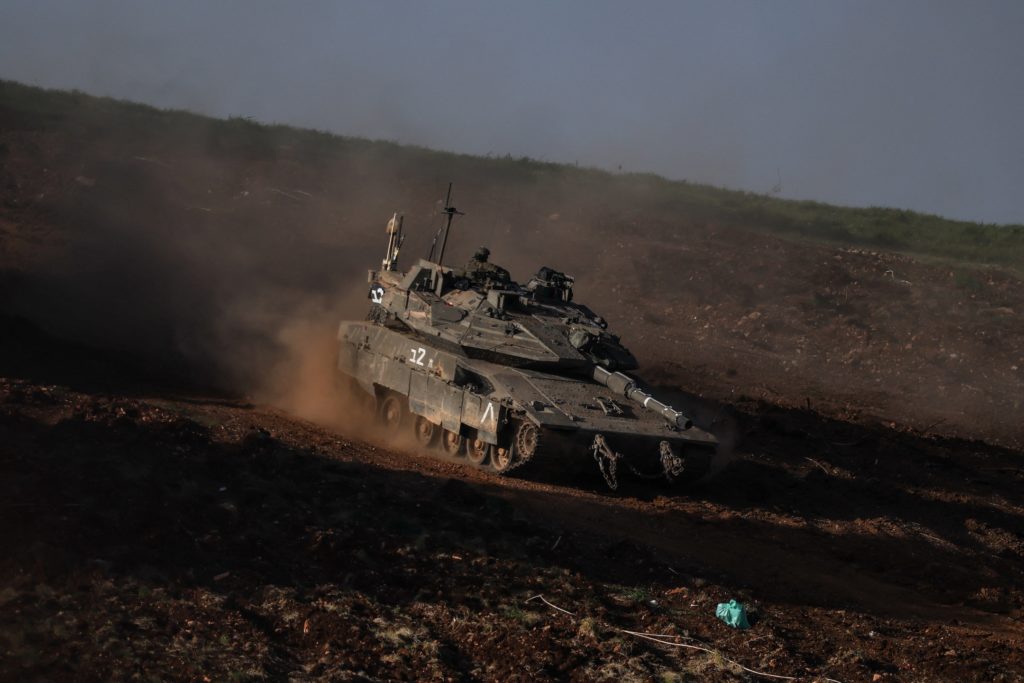
Israel reports at least 850 drones and missiles fired by Hezbollah into Northern Israel in under two weeks, breaking a 16-month cease-fire and prompting Israeli strikes across Lebanon. Galilee Medical Center has moved critical services underground (450 beds) and is treating extremely premature infants in its NICU, while communities as close as ~1 mile to the border face chronic trauma. For investors, the escalation raises regional geopolitical risk, likely benefiting defense names and safe-haven assets while posing a headwind to regional equities, tourism, and investor sentiment, implying a moderate market impact.
This conflict's immediate impact is not just headline-driven defense spending but a reallocation of procurement toward short-range air defenses, counter‑UAS systems, and hardened medical infrastructure — categories with short lead‑times for some components (electronics, EO/IR sensors) but multi‑quarter backlog for interceptors and rocket motors. Expect manufacturers of EW and counter‑drone systems to see order flow within weeks but revenue realization skewed to 3–12 months as suppliers ramp capacity and subcontractors clear bottlenecks in microelectronics and specialized propellants.
Hospitals and regional health systems face durable capex and operational shifts: investments in hardened NICUs, mobile-negative‑pressure modules, and remote monitoring/telehealth for trauma and PTSD create a multi‑year demand stream for neonatal ventilators, sensors, and SaaS tele‑mental health platforms. Staffing displacement and burnout will push payor and provider contracts toward flexible staffing vendors and telemedicine—revenue that compounds over 6–18 months rather than delivering immediate margin expansion.
Tail risks skew asymmetrically: a rapid regional escalation (weeks) would sharply accelerate short‑cycle revenues for counter‑UAS and munitions suppliers but also raise operational risk and insurance costs for on‑the‑ground logistics, compressing contractor margins. Conversely, a diplomatic de‑escalation or large U.S. inventory drawdown could leave order backlogs filled but new awards curtailed, creating a 6–12 month cliff for names priced for sustained conflict.
Consensus is treating this as a binary ‘defense winners’ story; that is likely overbroad. The smarter allocation is to target firms with direct, upgradeable tech (EW, C‑UAS, hospital hardening equipment, telehealth platforms) where contracts translate to repeatable service revenue or modular product upgrades rather than lump‑sum, lumpy platform deliveries that are subject to multi‑year program risk.
AI-powered research, real-time alerts, and portfolio analytics for institutional investors.
Request DemoOverall Sentiment
moderately negative
Sentiment Score
-0.65
