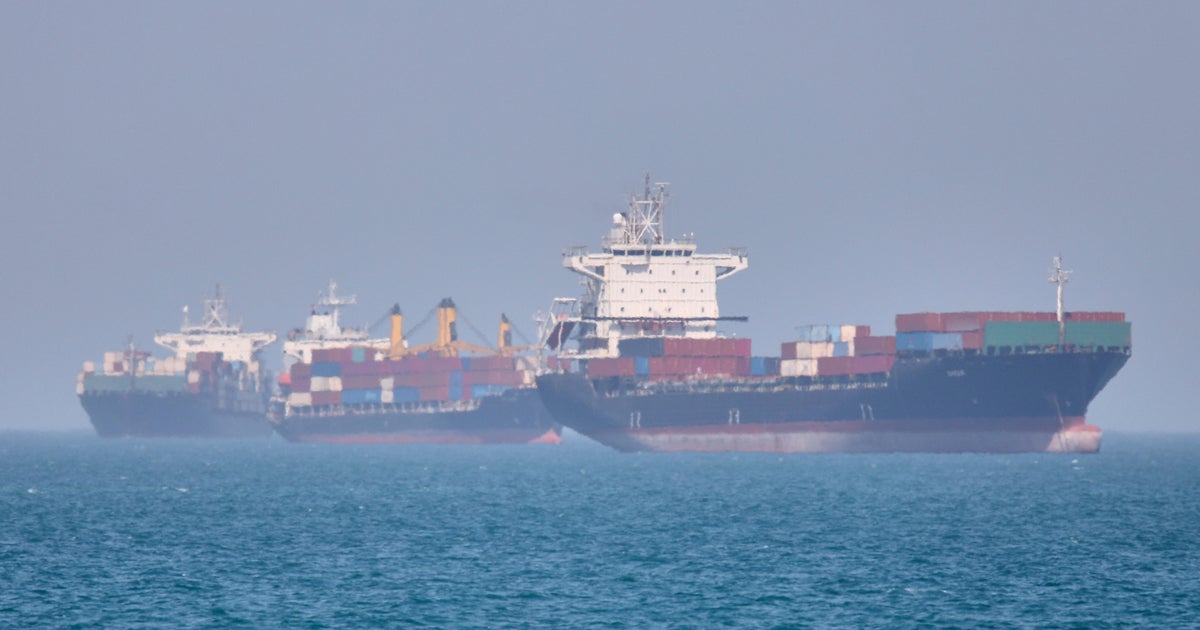
A draft U.S.-Iran memorandum reportedly includes a 60-day ceasefire extension, reopening the Strait of Hormuz within 30 days, and Iran’s commitment not to develop nuclear weapons while disposing of its enriched uranium stockpile. Sanctions relief and frozen assets would be tied to compliance, but several key terms remain unresolved and Iran has not accepted all provisions. The proposal could materially affect oil flows, shipping routes, and regional risk premiums if finalized.
The market is likely underpricing how much of the immediate move is about transit insurance rather than just headline geopolitics. If shipping confidence into the strait improves, the first-order beneficiary is not only crude, but also LNG, refined-product flows, and Asia-heavy importers that have been paying a hidden risk premium via longer routes, higher freight, and precautionary inventories. The larger second-order effect is that any normalization would compress regional insurance premia faster than spot energy falls, which means transportation and logistics costs could mean-revert before oil fully does.
The asymmetry is in the implementation risk: opening a chokepoint is easy to announce and hard to operationalize. Mines, asymmetric attacks, and verification of uranium disposal create a long tail where prices can gap back higher on a single failed inspection or incident, so the realistic horizon for de-risking is days to weeks, not months. That argues for fading broad enthusiasm in cyclicals while keeping upside optionality in defense and energy because the deal's credibility can be reversed by one broken benchmark.
The contrarian miss is that sanctions relief could be more inflationary for risk assets than deflationary for oil in the near term. If Iranian barrels, ports, and shipping capacity come back unevenly, the immediate winners are low-cost shipping firms and refiners with access to discounted feedstock, while marginal producers and freight-sensitive importers gain less than the market assumes. EM FX exposed to lower energy import bills should rally only after there is proof of durable throughput, not just diplomatic language.
For now, the setup favors tactical, event-driven positioning over directional macro bets: the biggest P&L will come from how quickly the market prices verification failure versus real reopenings. If negotiations stall, the rebound in crude and defense should happen faster than any broad relief rally; if they succeed, the unwind in freight and insurance should precede the energy move by several sessions.
AI-powered research, real-time alerts, and portfolio analytics for institutional investors.
Request DemoOverall Sentiment
neutral
Sentiment Score
0.05
