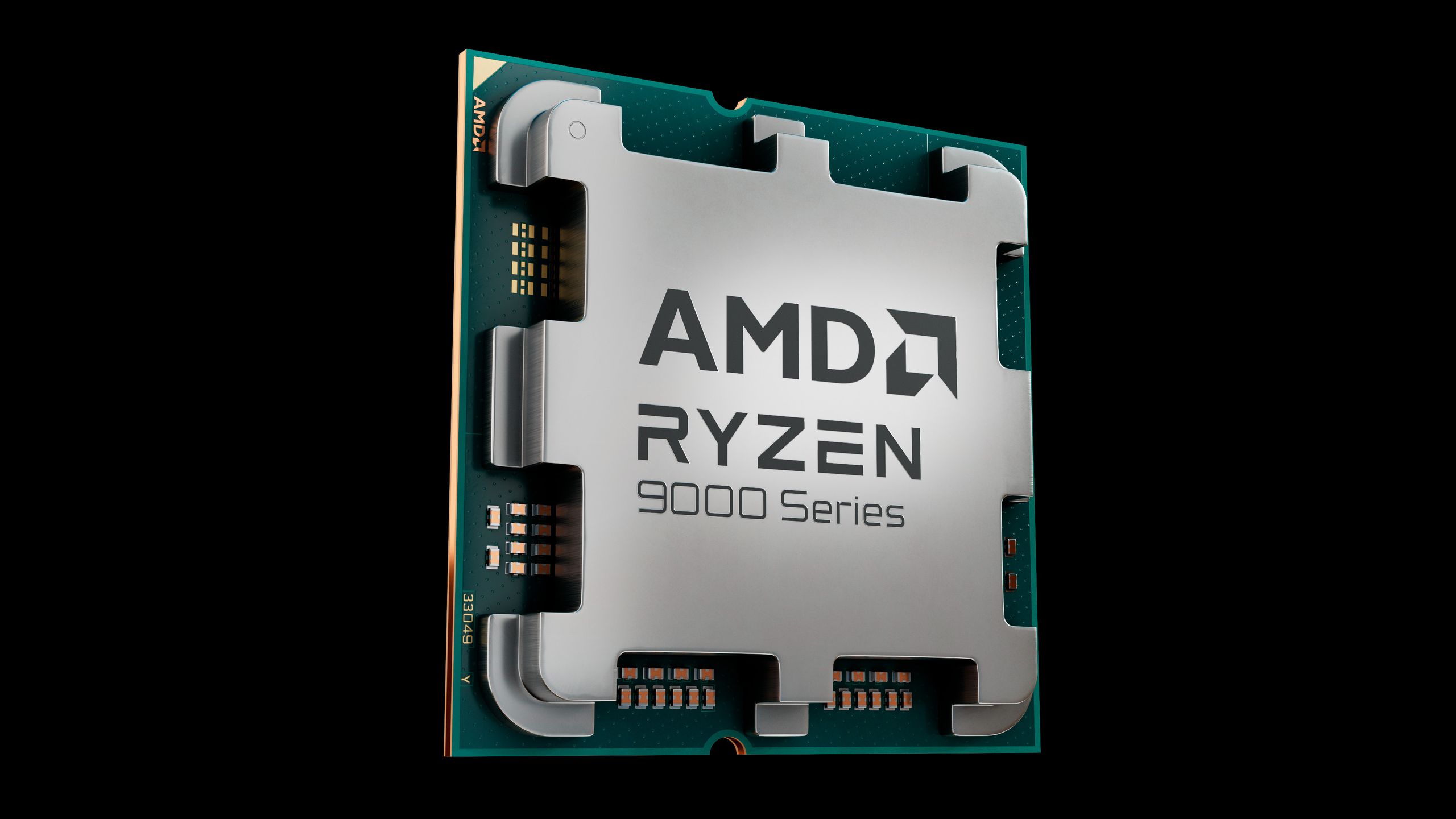
AMD appears set to launch a refreshed Ryzen 7 9850X3D around a $500 MSRP, up modestly from the prior 9800X3D ($479), with early retailer listings showing $511.44 and inferred MSRP near $499. The 9850X3D retains an 8-core/16-thread configuration with 96 MB L3 (32 MB L3 + 64 MB X3D) and a 5.6 GHz boost (400 MHz higher than the 9800X3D), positioning it as AMD’s next gaming-focused flagship; a higher-end Ryzen 9 9950X3D2 with 16 cores and 192 MB L3 is also rumored but unpriced. Hints in AMD driver downloads and leaked manifests plus an upcoming CES 2026 keynote (Jan 5) increase the probability of an imminent official announcement, which could modestly influence investor expectations for AMD’s gaming CPU competitiveness and pricing strategy.
Market structure: A $499–$511 list for the Ryzen 7 9850X3D implies modest ASP uplift (~4–6% vs 9800X3D) and confirms AMD retains pricing power in high-margin gaming CPUs; direct beneficiaries are AMD (AMD) and wafer fab partners (TSM), while Intel (INTC) desktop SKUs and discounted channel inventory are the likely short-term losers. This product refresh is incremental — expect marginal share gains in the gaming segment but not a tectonic shift; pricing suggests demand elasticity remains intact at current price points. Risk assessment: Immediate tail risks include poor X3D yields at TSMC or tepid independent benchmarks that fail to justify the price premium; medium-term risks are Intel aggressive price cuts or OEM inventory gluts that force ASP erosion. Time horizons: days = CES/keynote-driven IV and news spikes; weeks–months = channel sell-through and review-driven sales; quarters = platform adoption and revenue mix impact. Hidden dependencies: OEM bundling, GPU cycle, and TSMC capacity allocation for X3D wafers. Trade implications: Favor event-driven, limited-risk exposure to AMD into CES — short-dated call spreads or small delta call purchases to capture positive surprise, and a correlated pair trade short INTC to express relative CPU momentum. Watch options IV: buy spreads when IV for AMD is depressed relative to historical pre-launch levels and size positions 1–3% of portfolio. Rotation: modest overweight semis (SMID/Large Caps) and underweight legacy PC OEMs if initial reviews delay replacement cycles. Contrarian angles: Market may over-price the uplift — a +400 MHz boost with same cache/power could produce <5% real-world gaming gains, repeating past X3D refresh patterns where early euphoria faded. If benchmarks show <5% uplift or AMD shares rally >12% intraday post-CES, consider trimming longs and taking profits; conversely, a sustained supply shortfall could mean upside surprise and larger market share gains than currently priced.
AI-powered research, real-time alerts, and portfolio analytics for institutional investors.
Request DemoOverall Sentiment
mildly positive
Sentiment Score
0.25
Ticker Sentiment
