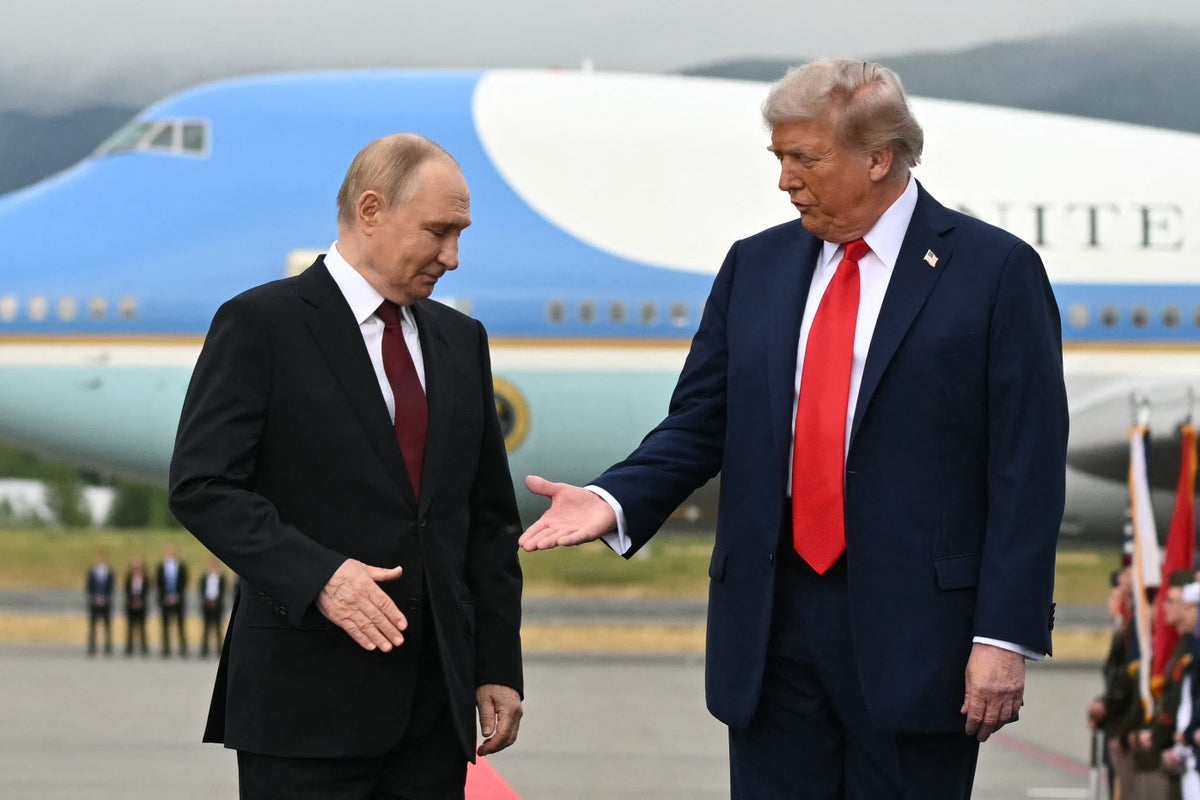
Ukrainian officials reportedly floated a "Donnyland" concept for a 50-mile by 40-mile disputed area in the Donbas as a way to appeal to Donald Trump and influence his stance on Russia's territorial demands. The idea included a flag, anthem, and a possible Trump-led Board of Peace, but it remains speculative and was partly introduced in jest. The article also highlights Zelensky's frustration that Trump's envoys have traveled repeatedly to Moscow but not Kyiv.
This is less about diplomacy theater and more about Trump optionality becoming a pricing variable in the conflict. If the White House becomes emotionally invested in a branded “win,” the marginal probability shifts toward a deal structure that freezes lines rather than resolves sovereignty — a setup that tends to favor any assets exposed to a ceasefire discount rather than a full peace premium. The market implication is that the first-order move would be in defense multiples and Europe risk sentiment, but the second-order effect is a slower unwind in wartime scarcity pricing because neither side can fully trust the durability of a personalization-driven agreement.
The biggest beneficiary would be firms tied to reconstruction and post-conflict logistics if even a partial freeze emerges, but the timing matters: defense spend does not collapse on day one. NATO replenishment, drone defenses, air defense munitions, and artillery stockpiles would likely stay elevated for 12-24 months after any headline agreement, because inventories are the constraint, not just political intent. That creates a setup where pure ceasefire optimism may be overdone while the real cash flows remain with the same suppliers for several quarters.
The contrarian risk is that this actually increases negotiation noise without improving settlement odds. If Moscow reads the branding effort as proof that Washington wants a headline more than enforceable terms, it may harden its stance and extend the war into a longer stalemate; that is bad for Europe cyclicals but supportive for defense and energy volatility. The AI angle is subtle: using generative tools to fabricate state symbolism is a reminder that narrative manipulation is becoming an input to policy, which may make headline risk more important than traditional diplomatic signaling in the next 3-6 months.
Most important catalyst is not the pseudo-state gimmick itself, but whether the U.S. sends senior envoys to Kyiv and couples any proposal with security guarantees. Without that, any ‘peace process’ is likely just a trading spike in EUR risk assets that fades within days. With it, the likely trade is a rotation from pure war beneficiaries into reconstruction beneficiaries over 6-18 months, not an across-the-board de-risking.
AI-powered research, real-time alerts, and portfolio analytics for institutional investors.
Request TrialOverall Sentiment
neutral
Sentiment Score
-0.10
