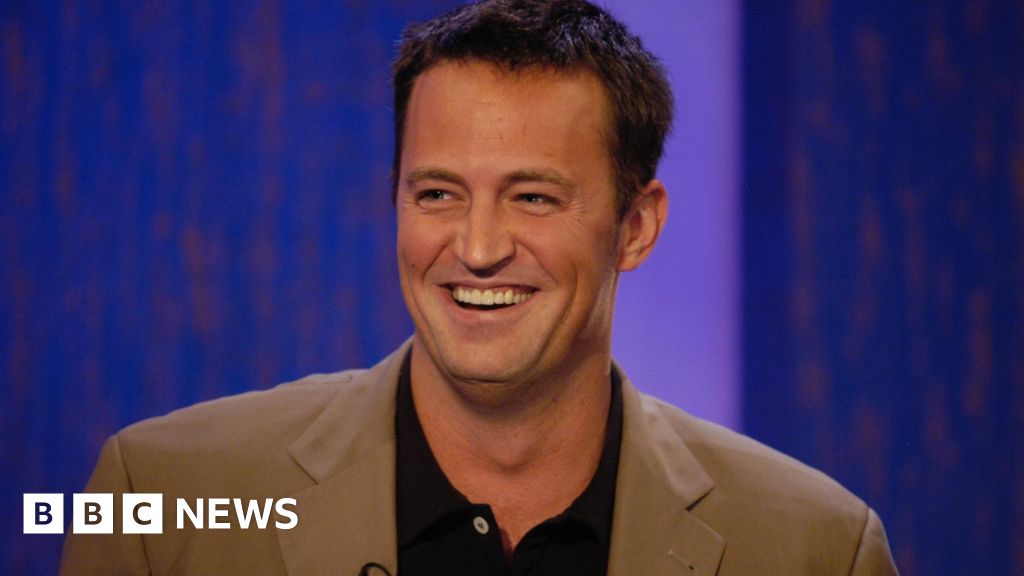
Erik Fleming was sentenced to 2 years in prison, plus 3 years of supervised release and a $200 penalty, for conspiracy to distribute ketamine linked to Matthew Perry's overdose death. The case underscores the legal fallout from Perry's death, with multiple defendants already sentenced, including Jasveen Sangha to 15 years, Dr. Salvador Plasencia to 30 months, and Dr. Mark Chavez to 8 months of home detention. The article is primarily legal and celebrity-news oriented, with limited direct market impact.
This is not a direct listed-equity event, but it is a meaningful reinforcement of a broader policy regime: regulators and prosecutors are treating illicit ketamine distribution around celebrity harm as a high-visibility enforcement category. The second-order effect is tighter scrutiny on clinics, telehealth prescribers, compounding pathways, and cash-pay wellness operators that sit adjacent to the legal ketamine market, which can raise compliance costs and slow new patient acquisition even where the clinical model is legitimate.
The near-term market impact is mostly reputational, not revenue destructive, but the overhang can still matter for private-capital backed operators in psychedelic medicine and behavioral health. Any headline linking ketamine to death widens the gap between legitimate medical use and abuse in the public mind, which tends to delay payer adoption and makes regulators more conservative on off-label protocols for months rather than days. That is a headwind for companies trying to scale ketamine-assisted psychiatry as a consumer-health product rather than a tightly controlled medical service.
The contrarian read is that the selloff risk in regulated mental-health names is often overdone after sensational criminal headlines. The real beneficiary is not a specific ticker today, but incumbent large-scale behavioral-health and pharmacy-distribution platforms with stronger compliance infrastructure; they can absorb stricter oversight while smaller clinics face margin compression. The tail risk is that this becomes a catalyst for broader DEA/medical-board action on ketamine prescribing, which would hit growth assumptions for the entire adjacent therapy ecosystem over the next 6-18 months.
For media and entertainment, the event modestly extends the legacy overhang around Perry’s estate and brand, but it is unlikely to create sustained asset-value impact unless it triggers new civil claims or documentary/biopic monetization. The more investable implication is sentiment risk: any future celebrity overdose case involving a named supplier could reprice publicity-driven consumer brands tied to addiction treatment, wellness, or celebrity estates for a few trading sessions.
AI-powered research, real-time alerts, and portfolio analytics for institutional investors.
Request DemoOverall Sentiment
strongly negative
Sentiment Score
-0.70
