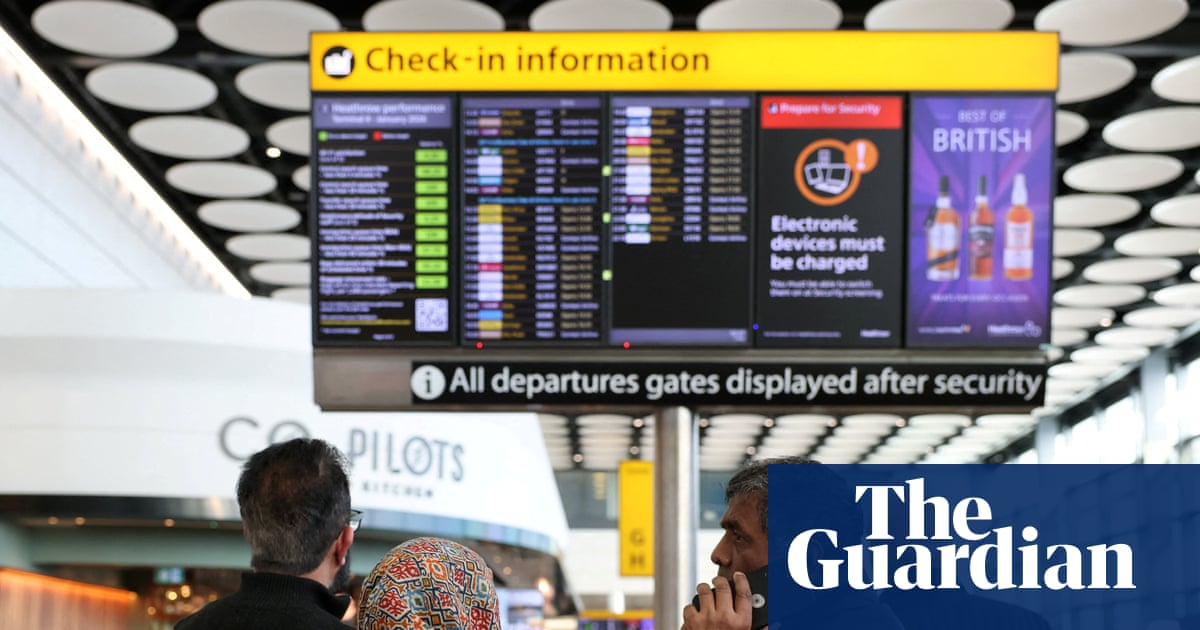
The Middle East conflict has pushed oil to $119 a barrel in March from $72 before the war, and jet-fuel supply fears are raising the risk of summer flight cancellations. ACI Europe warned shortages could emerge within three weeks if supply does not stabilize, while airlines may face higher fuel costs, disruption to leisure travel, and potential knock-on effects for package holidays and refunds. The article also notes that big airlines are somewhat hedged and hub airports may have more rerouting options, but near-term travel risk remains elevated.
The market is still underpricing the asymmetry between headline oil and downstream aviation stress. The first-order move is not a broad crude bid; it is a squeeze in jet crack spreads and working-capital pressure for carriers with weak fuel hedges, thin liquidity, and high leisure exposure. That creates a dispersion trade: even if crude stays contained, a temporary dislocation in physical jet availability can hit airline operating leverage faster than a simple Brent move would imply.
The second-order winner is the airport and airline complex with the best fuel logistics and route optionality. Large hub operators and network carriers can reallocate aircraft, consolidate load factors, and use tanker fuel to protect continuity; small-point carriers and low-cost airlines with less schedule flexibility are more vulnerable to cancellations, reaccommodation costs, and reputational damage. Hotels, package operators, and travel insurers face a mixed setup: package sellers can push through price surcharges, while standalone lodging and ancillary providers may see higher cancellation rates and weaker realized revenue despite solid bookings.
The key catalyst window is the next 2-3 weeks, not months: if physical jet supply does not normalize, cancellations become a probability event rather than a tail risk. The reversal case is also fast—any durable reopening of the shipping lane or a de-escalation signal would unwind the fear premium quickly, likely compressing the spread faster than equities can re-rate. Consensus is too focused on consumer disruption; the more tradable impact is on airline margins and booking curves, where even a small hit to forward demand can force discounting across the summer shoulder season.
Contrarian view: the move may be overextended in the most exposed leisure names because passengers often rebook rather than cancel trips, muting total revenue destruction while still punishing stock prices on higher disruption costs. That argues for selective shorts rather than a blanket airline bearish view, and for pairing weak balance-sheet carriers against resilient network airlines rather than shorting the sector outright.
AI-powered research, real-time alerts, and portfolio analytics for institutional investors.
Request TrialOverall Sentiment
moderately negative
Sentiment Score
-0.45
