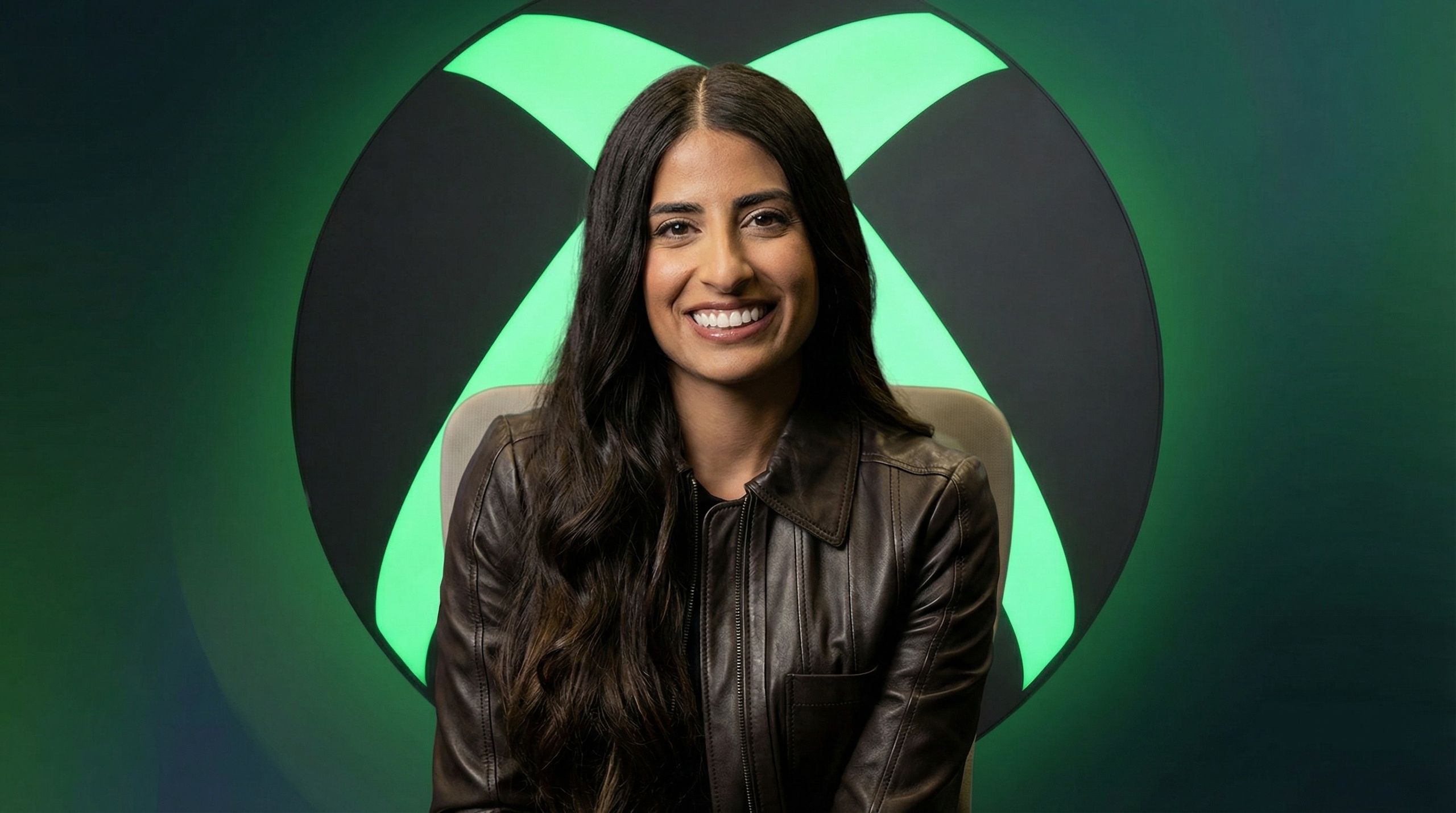
Xbox CEO Asha Sharma said rising memory costs will affect Project Helix pricing and availability, and declined to provide a launch timeline. The comments point to cost pressure and potential rollout risk for Microsoft’s next-generation console, with launch timing still unconfirmed and market expectations now leaning toward a later 2027-2028 window. The article is mostly cautionary rather than event-driven, with limited immediate market impact.
The key second-order effect is not simply a delayed console launch, but a potential change in the economics of the entire next-gen cycle. If memory remains tight, OEMs tend to protect margin by either raising MSRP or cutting configurations, which narrows the addressable installed base in the first 12-18 months and delays software attach-rate inflection. That is structurally negative for the platform holder if the strategy depends on a faster ecosystem transition, but it can be a relative positive for incumbents with larger active bases and lower dependence on near-term hardware refresh.
The more interesting pressure point is supply chain allocation. Rising memory input costs usually force a choice between premium consoles, PCs, and data-center demand, so the highest-ASP channels get priority. That means consumer hardware launches become more exposed to component cost spikes than subscription or software monetization, creating a window where vendors can post better mix on services while hardware units underdeliver. For Sony, the read-through is mixed: any broad console price inflation could support industry pricing discipline, but a delayed or constrained rival launch also reduces the urgency of a replacement cycle and can extend the life of current-gen software and accessories.
Consensus may be too focused on timing risk and not enough on margin structure. A later launch is not automatically bearish if it allows a lower-cost bill of materials and a less promotional first year; the real risk is a smaller launch footprint with weaker inventory availability, which damages mindshare and retailer support. The reversal catalyst would be a sudden easing in memory prices over the next 2-3 quarters, which would reopen the path to an on-time launch and reduce the odds of an MSRP reset at release.
AI-powered research, real-time alerts, and portfolio analytics for institutional investors.
Request DemoOverall Sentiment
mildly negative
Sentiment Score
-0.20
Ticker Sentiment
