

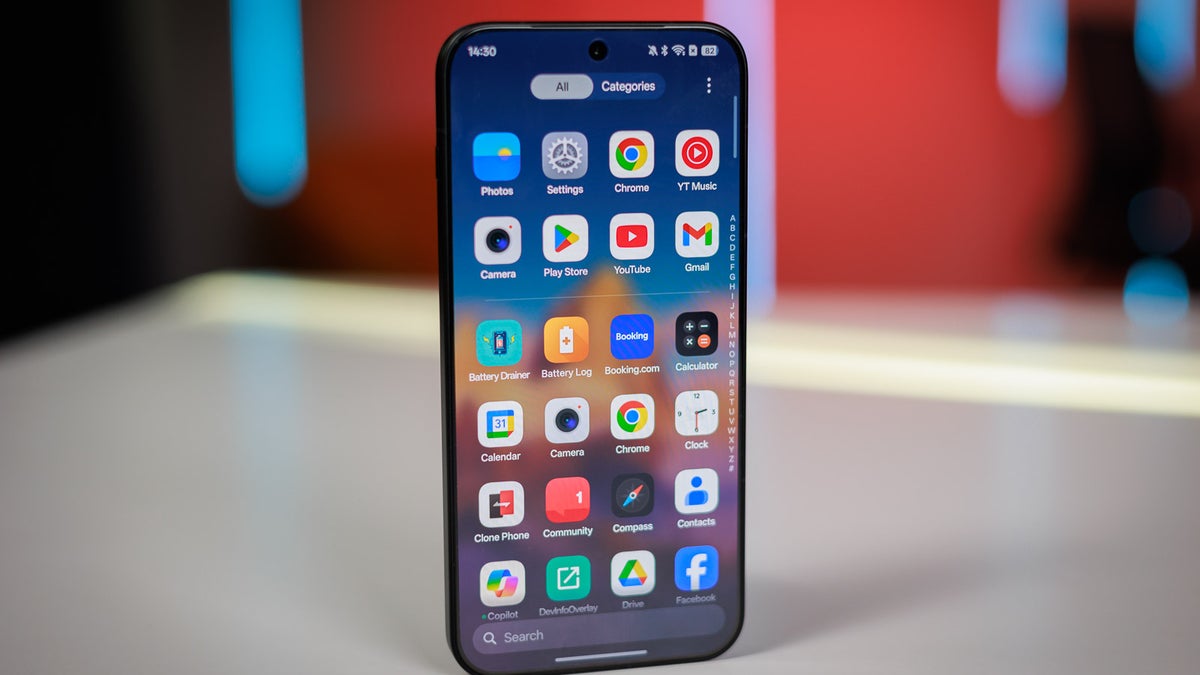
OnePlus 16 leaks point to a major flagship upgrade, led by a 185Hz display, a 200MP telephoto camera, a 50MP main sensor, a 9,000 mAh battery, and at least 12GB of RAM. The device is also expected to use Snapdragon 8 Elite Gen 6 Pro and may add an AI button. The article is speculative rather than confirmed, but it signals continued innovation and intensifying competition among Chinese premium smartphone makers.
The important signal here is not a single handset spec jump, but the widening bifurcation in the global premium smartphone market. Chinese OEMs are using display refresh, battery density, and sensor size as a differentiation stack to push hardware ceilings, while Apple and Google remain disciplined around power efficiency, thermals, and platform integration; that means the “best phone” conversation is becoming more regional and less category-wide. For AAPL and GOOGL, the near-term risk is not unit share collapse, but a gradual erosion of halo perception among enthusiast buyers, which can leak into carrier attach, accessory mix, and upgrade urgency over a 12–24 month horizon.
Second-order, the specs race is likely to pressure bill-of-materials allocation toward camera modules, PMICs, advanced memory, and battery supply rather than flagship silicon alone. That creates a relative tailwind for component vendors with exposure to high-megapixel imaging and battery materials, while pure software/platform winners become more dependent on ecosystem lock-in to defend pricing. The more aggressive Chinese flagships become, the more Western OEMs are forced into subsidizing trade-ins and promotions to preserve premium ASPs, which is a margin headwind that can show up before any visible share loss.
The contrarian read is that this may be more of a marketing ceiling than a consumer-utility inflection. Refresh rates above the low-100s and battery sizes beyond a day-and-a-half of real usage have sharply diminishing marginal impact for mainstream buyers, so the risk is investors overestimate how much spec leadership translates into ecosystem migration. Over the next few quarters, the more material catalyst is whether Apple or Google respond with a product-cycle surprise; absent that, the trade is likely about sentiment and replacement cadence rather than a structural demand shock.
AI-powered research, real-time alerts, and portfolio analytics for institutional investors.
Request TrialOverall Sentiment
mildly positive
Sentiment Score
0.35
Ticker Sentiment
