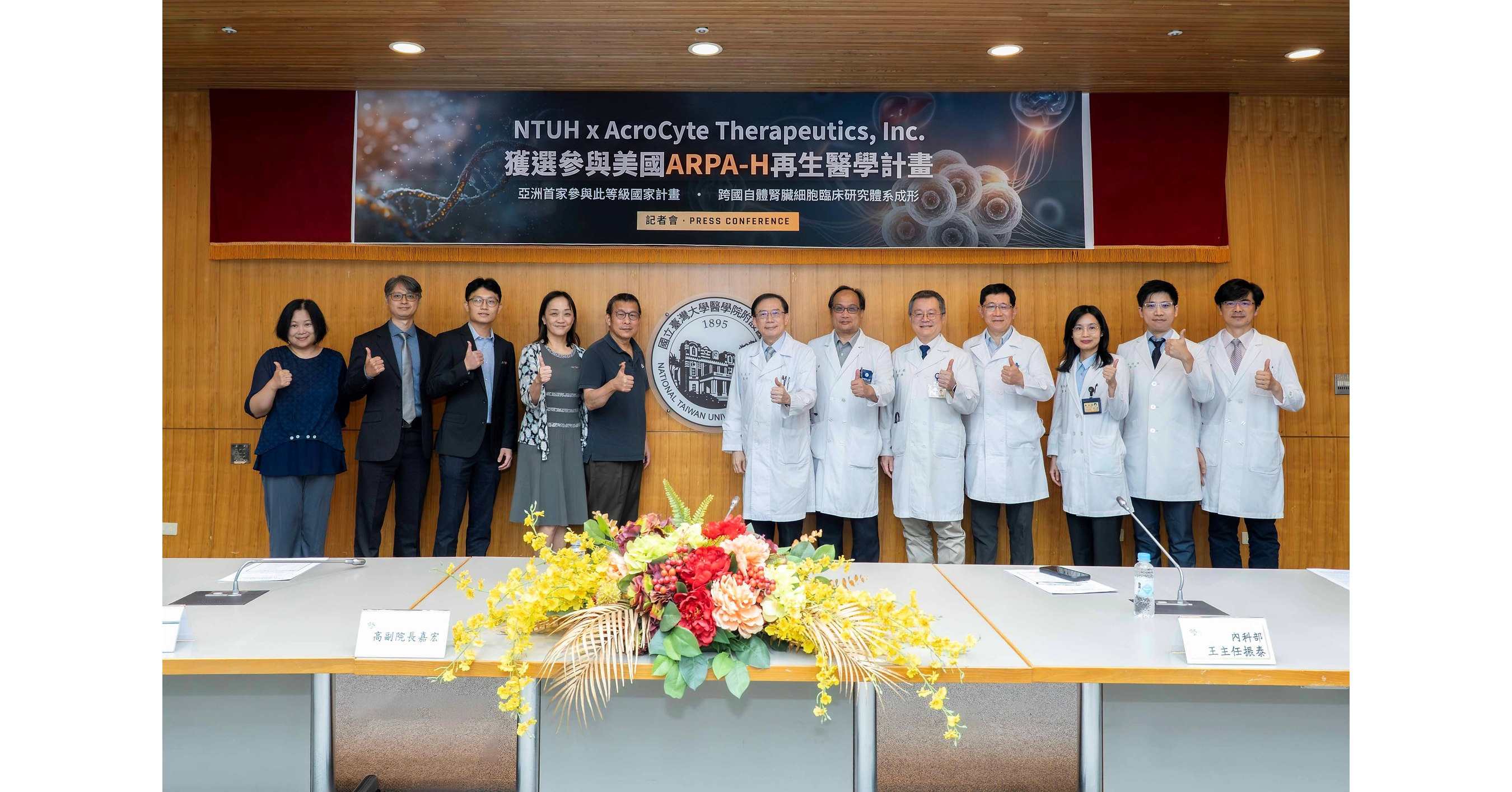
AcroCyte Therapeutics was selected for ARPA‑H funding to advance scalable human organoid technologies for regenerative medicine, targeting solutions to the global shortage of transplantable organs. The company’s R3CE® platform enables standardized 3D expansion of rare human cells and is currently FDA‑registered as a Class I medical device. The ARPA‑H project will be executed via a binational U.S.–Taiwan clinical and translational effort with the University of Chicago Medicine and NTUH, supporting translation toward global clinical use.
This is a validation event, not a monetizable inflection by itself. The near-term public-market winner is the picks-and-shovels layer around 3D cell culture: tools, reagents, imaging, and automation vendors with exposure to organoid workflows should see a small but real increase in demand discovery, especially if this spawns follow-on grants or pharma feasibility work. The more interesting second-order effect is on preclinical screening economics: if scalable organoids improve hit rates, they raise the value of assay standardization and lower the appeal of low-end outsourced animal testing over time.
The loser set is less immediate but more visible over 6-18 months: animal-model CROs and niche preclinical testing vendors face a slow-burn substitution threat if organoid reproducibility proves transferable beyond renal tissue. That said, this is a years-long displacement story, not a next-quarter earnings issue; most public names still have diversified revenue streams that dilute the impact. The market should be careful not to capitalise ARPA-H funding as if it were commercial revenue, since the gating items are reproducibility, GMP transfer, and eventual FDA comfort with organoid-derived readouts.
Catalysts to watch over 1-3 months are data drops, pharma co-development disclosures, and any evidence of repeated manufacturing runs at consistent quality. The thesis breaks if the platform remains a grant-funded lab tool with no bridge to regulated workflows. Contrarian view: the consensus may be underestimating how much of the value accrues to the ecosystem rather than the recipient; the public equity trade is more likely in enabling tools than in the headline biotech itself.
AI-powered research, real-time alerts, and portfolio analytics for institutional investors.
Request DemoOverall Sentiment
mildly positive
Sentiment Score
0.25
Ticker Sentiment
