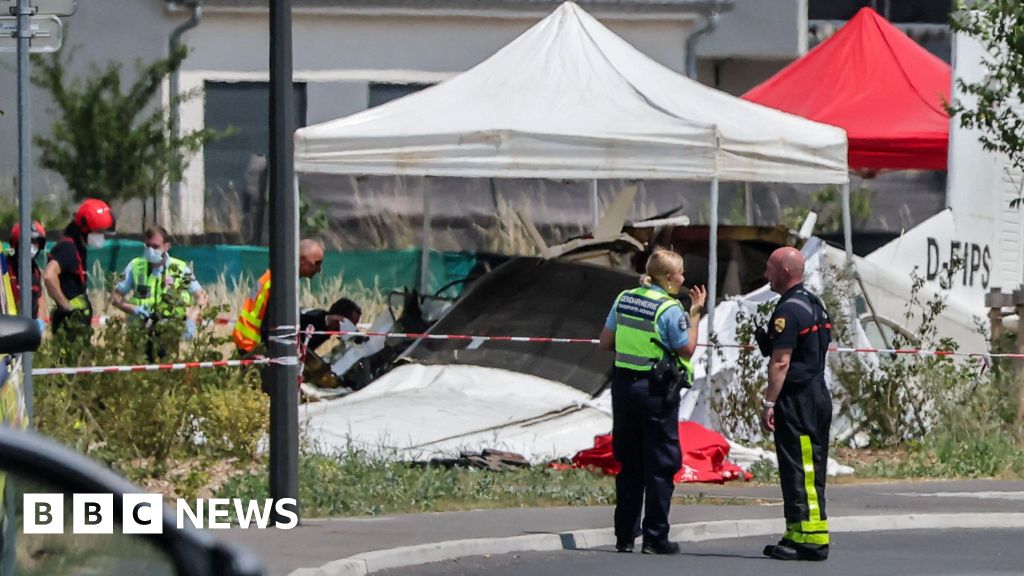
Eleven people, including the pilot, were killed when a civilian aircraft carrying skydivers crashed near Tomblaine in eastern France shortly after takeoff from Nancy-Essey airfield. The Paris prosecutor's office has opened an investigation, while officials said weather may have been a factor but it is too early to determine the cause. The incident is the deadliest private plane accident in French history and has prompted medical and psychological support for relatives and witnesses.
This is a micro-event for public markets, but it matters at the margin for insurers, regional travel demand, and French regulatory intensity. The immediate economic hit is not the accident itself; it is the likely tightening of oversight on small-aircraft operators, which can raise compliance costs, reduce flight availability, and disproportionately pressure marginal leisure aviation businesses that rely on utilization and low fixed-cost absorption.
The second-order effect is reputational spillover across adventure-travel and local leisure formats: tandem jumps, scenic flights, and other high-risk recreational activities tend to see a short-lived booking shock after a highly visible fatality, especially when witnesses include families and local media saturation is high. That usually shows up first in France and nearby border markets, then fades over 4-8 weeks unless the investigation identifies operator negligence, maintenance failure, or weather-related procedural lapses.
The bigger tail risk is legal. If the probe points to training, airworthiness, or dispatch discipline, expect a cluster of civil claims and a potential temporary tightening of permits for parachute schools and small charter operators. That is more relevant for insurers and lessors with exposure to light aviation portfolios than for airlines; the market may underappreciate how one headline can trigger a broader review of non-commercial aviation standards across the EU.
Consensus is likely to overstate the direct economic damage and understate the regulatory aftershock. The right framing is not 'bad for airlines' but 'bad for the small-aircraft leisure ecosystem and any insurer with nuisance exposure to aviation liability.' Any price reaction in broader travel names should be faded unless there is evidence of multi-week cancellation data deterioration or a finding of systemic mechanical failure.
AI-powered research, real-time alerts, and portfolio analytics for institutional investors.
Request DemoOverall Sentiment
extremely negative
Sentiment Score
-0.95
