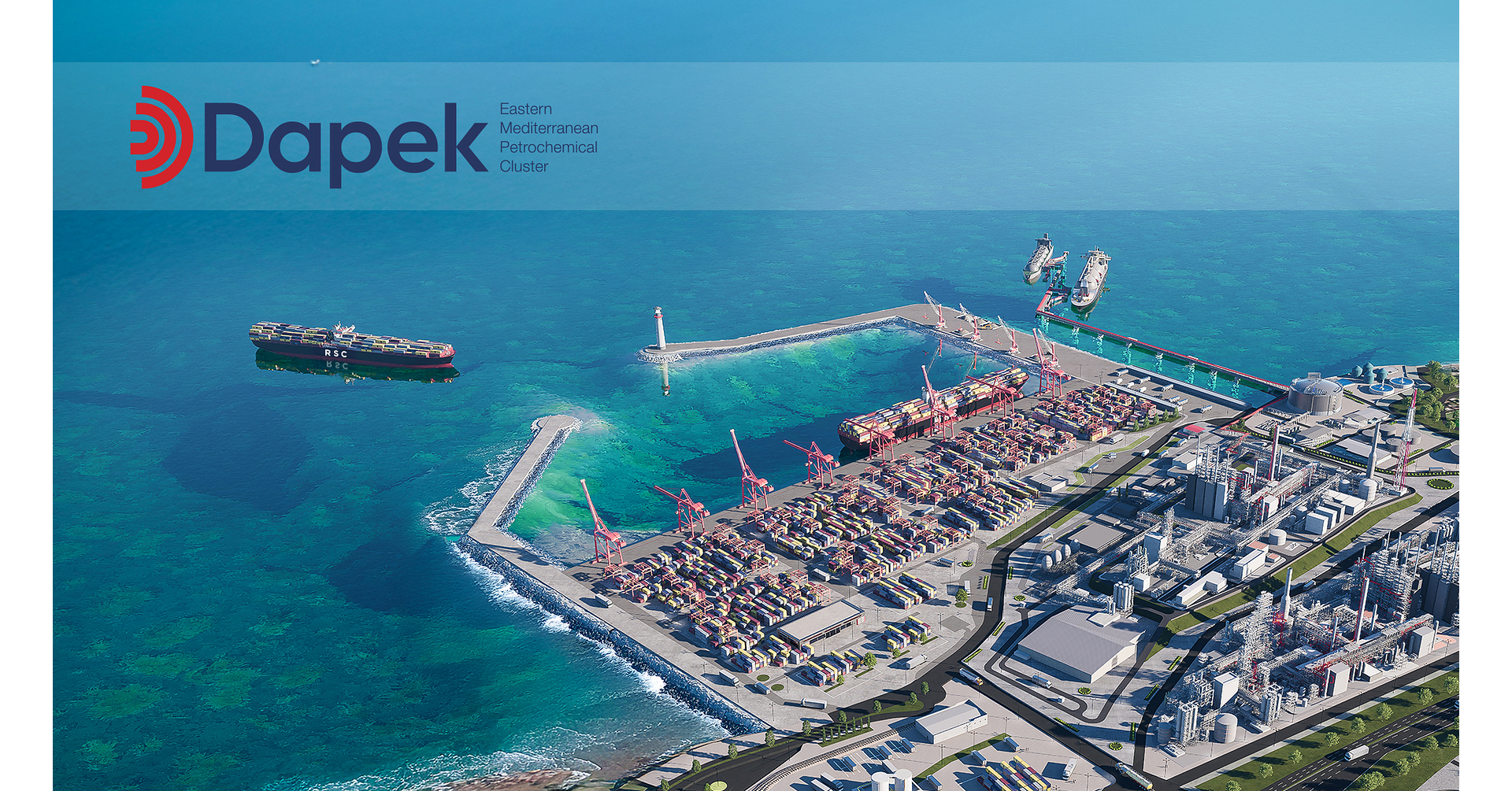
Rönesans Holding’s Eastern Mediterranean Petrochemical Cluster (DAPEK) has crossed US$3B in total investment, led by a US$1.8B polypropylene production facility and liquid bulk terminal. The plant targets 472,500 tonnes/year capacity, meeting ~17% of Turkey’s polypropylene demand, and is projected to improve the current account by ~US$300M annually while reducing import dependence. DAPEK also supports ~4,000 jobs on site (70% locally) with expectations to exceed 4,500 by year-end, with investor interest boosted by a Surbana Jurong partnership.
This is more a logistics and working-capital story than a pure chemicals story. The edge comes from co-location: domestic PP supply plus port/rail integration can reduce inventory days, FX mismatch, and freight leakage for Turkish converters, which matters in a volatile lira regime. That is a cleaner read-through to local packaging, appliance, and auto-supply chains than to the producer itself.
The incremental volume is not large enough to move global polypropylene pricing, so the obvious short on big chemical names is likely overstated. The more relevant beneficiaries are Turkish industrials tied to import substitution, port/logistics assets, and project-finance banks; the losers are imported polymer traders and select Middle East/European exporters with Turkey exposure. Any rerating will likely come from cluster optionality and land value, not near-term EBITDA.
Near term, this is a sentiment/FDI catalyst; over 1-3 months the market will care about permits, financing, and contractor execution; over 6-18 months the real test is utilization and feedstock economics. The contrarian risk is that investors are underwriting a strategic-industrial narrative while this remains a commodity spread business with thin margins. If PP spreads compress, power/feedstock costs rise, or construction slips, the current optimism can unwind quickly.
AI-powered research, real-time alerts, and portfolio analytics for institutional investors.
Overall Sentiment
moderately positive
Sentiment Score
0.35
Ticker Sentiment
