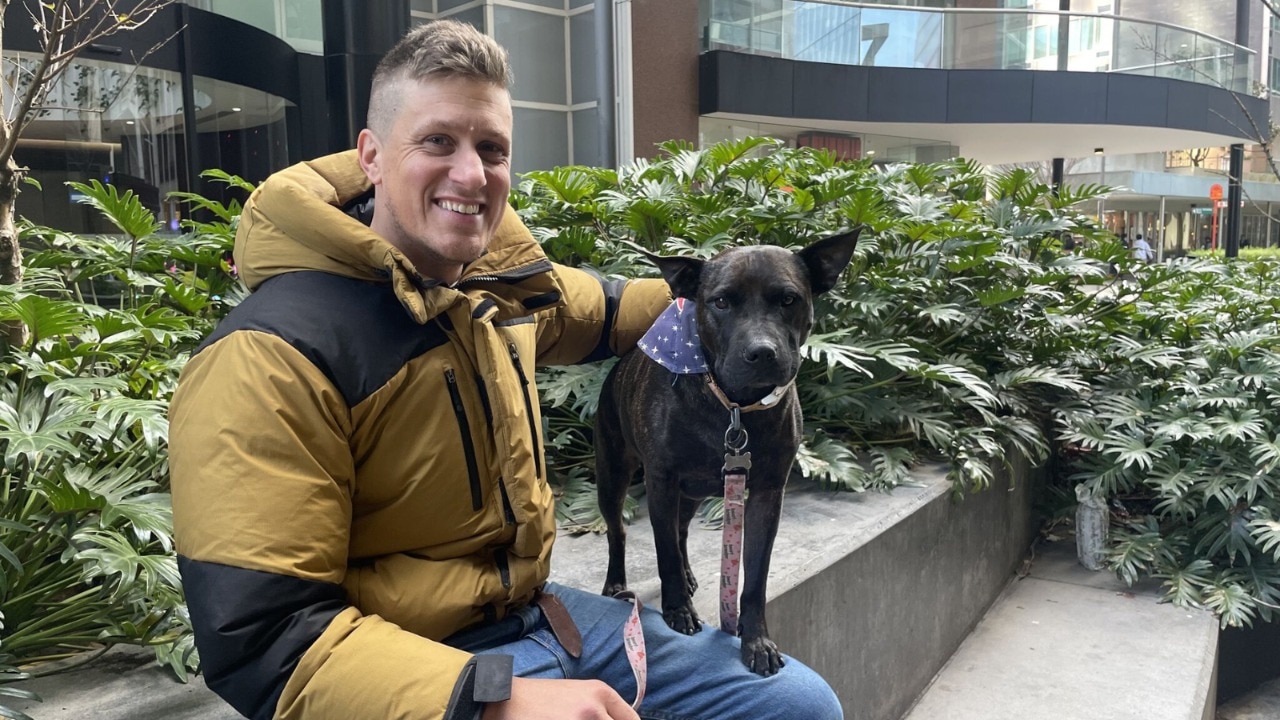
Australian tech entrepreneur Paul Conyngham used ChatGPT and DeepMind’s AlphaFold to design a bespoke mRNA vaccine for his dog after chemotherapy failed; genomic sequencing cost AUD 3,000 and he spent roughly three months preparing a 100-page ethics submission. Rosie received a first injection in December followed by boosters and the tumor has shrunk significantly, though Conyngham cautions this is not a proven cure and instead appears to have extended the dog’s survival and quality of life. He is now developing a second vaccine targeting a remaining tumor.
This episode is an operational proof-point that low-cost AI + accessible sequencing can compress the timeline from variant discovery to candidate mRNA design from months to weeks for single-case therapeutics. That compression disproportionately benefits platform owners who control validated model-to-lab workflows and compliance stacks (cloud providers, CDMOs, large sequencers), because liability and GMP/ethical gating will force most commercialization through accredited partners within 6–24 months. Expect demand to bifurcate: bespoke, high-margin personalized therapeutics (premium to platform providers) and a larger long-tail of regulated, recurring diagnostic/sequencing services.
Key regulatory and biosecurity levers will determine whether this becomes a decentralised maker movement or a re-centralised industrial market. In the near-term (0–12 months) expect noise—guidance, export controls on oligos/enzymes, and insurance product emergence—that can intermittently shock small suppliers; over 12–36 months, formal accreditation and reimbursement pathways will lock-in winners with existing QA/QC, manufacturing scale, and IP portfolios. A single adverse regulatory or liability ruling could remove a large fraction of nascent entrants within a quarter.
The market consensus that “AI democratises drugmaking” understates the capture mechanics: revenue accrues to integrators who bundle compute, validated models, and GMP execution, not to hobbyist toolmakers. That creates asymmetric opportunities to own the plumbing (sequencing, sample logistics, regulated CDMOs, cloud infra) and to avoid single-incident biotech small-caps that lack compliance moats. Position sizing should reflect binary regulatory tail risk—small-cap exposure is high-volatility, while platform/CDMO exposure is slower but more defensible.
AI-powered research, real-time alerts, and portfolio analytics for institutional investors.
Request DemoOverall Sentiment
mildly positive
Sentiment Score
0.25
